Yes, and many patients do. Your surgeon can often place the incision along or just below the existing C-section scar, so you end up with one line rather than two.
TUMMY TUCK
A Flatter, Firmer, More Toned Stomach
A tummy tuck removes excess skin and fat and repairs the abdominal muscles underneath. That muscle repair is what separates it from liposuction, and it is why it can genuinely flatten a stomach.

Treatment Highlights
Treatment Time:
2 to 3 hours
Anesthesia
General
Back to Exercise
About 6 weeks
ABDOMINOPLASTY
If diet and exercise have not flattened your stomach, the problem may not be fat at all. Pregnancy, weight loss, and aging can leave loose skin and separated muscles that no workout will fix.
Your plan comes down to what is actually causing the shape you see: loose skin, stubborn fat, a separated muscle wall, or some combination. How much skin you have and where it sits determines which type of tummy tuck you need, and the muscle repair is decided by examining the wall itself rather than by preference.
What Is a Tummy Tuck?
A tummy tuck does three things at once. It removes excess abdominal skin, it removes stubborn fat, and it repairs the muscle wall underneath. The third part is the one patients tend not to know about, and it is the reason a tummy tuck can flatten a stomach that liposuction and training never could. It is major surgery with a real recovery, and the results are correspondingly dramatic.
A tummy tuck can address:
- Loose, hanging skin on the abdomen
- Stubborn belly fat that will not move
- A stomach that bulges at a healthy weight
- Separated abdominal muscles after pregnancy
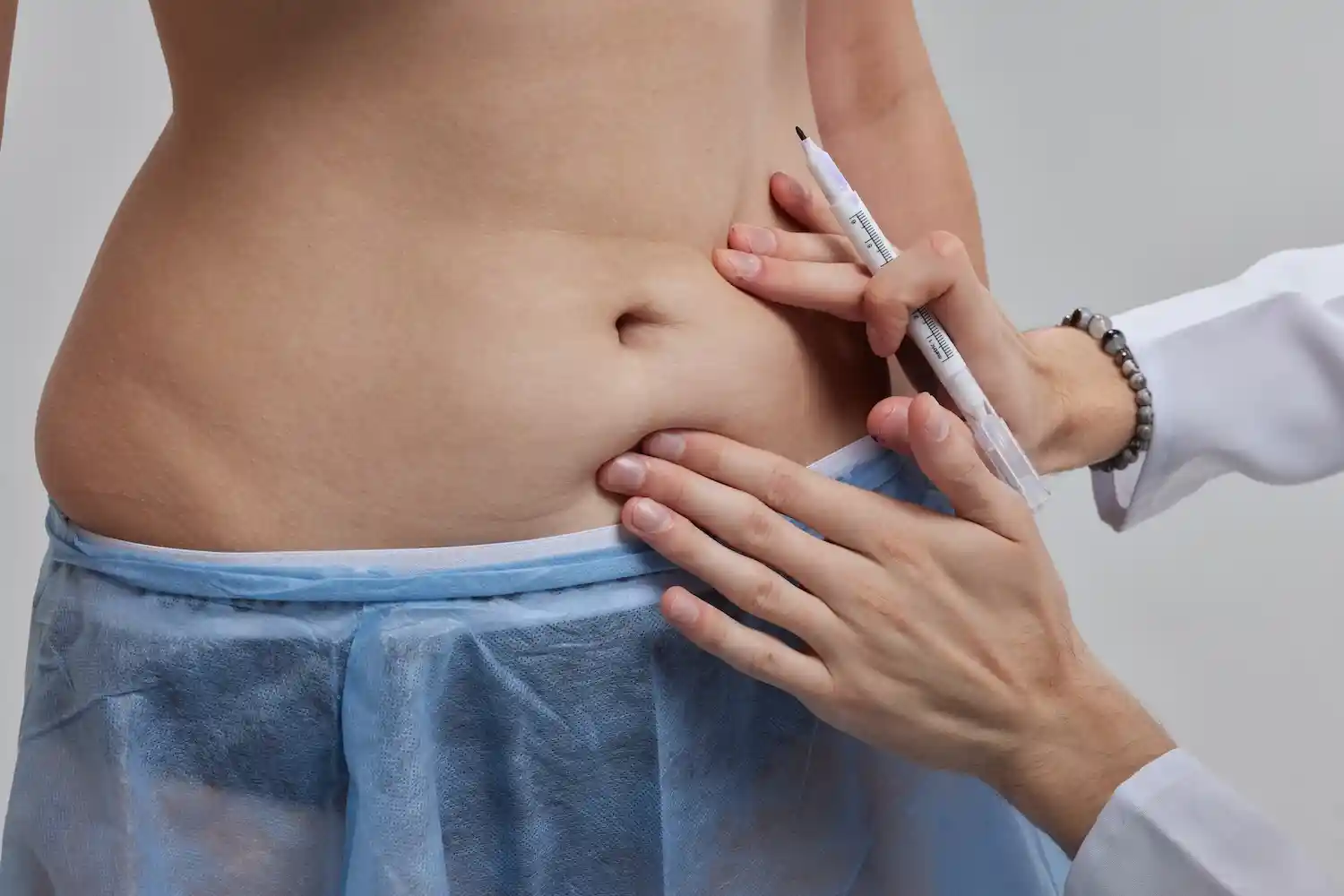
Types of Tummy Tuck
Not everyone needs the same procedure. Your surgeon recommends a type based on how much loose skin you have and which direction it runs.
Mini
A shorter incision addressing the lower abdomen only.
Best For
A small lower-belly pooch with little loose skin.
Full
The whole abdomen addressed, including muscle repair and a repositioned navel.
Best For
Loose skin and muscle separation across the abdomen.
Extended
The incision continues around toward the hips and flanks.
Best For
Loose skin that wraps around the sides, often after weight loss.
Fleur-de-Lis
A vertical incision added to the horizontal one.
Best For
Significant looseness running in both directions.
A mini tummy tuck does not include full muscle repair, which is the most common reason patients who wanted one end up needing a full procedure.
SKIN, FAT, OR MUSCLE
Tummy Tuck or Liposuction?
-
Liposuction
Removes Fat Only
Liposuction is excellent at removing fat, but it cannot tighten loose skin and it cannot touch a separated muscle wall. If your skin is firm and fat is genuinely the only issue, it may be all you need, and it is the smaller procedure by far.
-
Tummy Tuck
Skin, Fat, and Muscle
A tummy tuck removes skin, removes fat, and stitches the muscle wall back together. Most tummy tucks include liposuction to refine the waistline at the same time, so it is less a choice between the two than a question of whether liposuction alone can reach your goal.
The Details Patients Ask About
A few parts of this procedure surprise patients, so it is worth knowing about them before your consultation rather than after surgery.
-
Your Belly Button
In a full tummy tuck the navel is repositioned so it sits naturally on your flatter stomach, which is standard rather than unusual.
-
Drains
Small drains are often used for about the first week to prevent fluid from collecting. We show you exactly how to care for them.
-
The Scar
A low horizontal line placed to sit under underwear or a swimsuit. It is the honest trade-off, and it fades over the following year.
Repairing Separated Muscles
During pregnancy or significant weight change, the abdominal muscles can separate down the middle, a condition called diastasis recti. When that happens your belly pushes outward no matter how many crunches you do, because the gap is in the muscle wall rather than in the fat over it.
A tummy tuck stitches those muscles back together, which is the part of the procedure that actually flattens the stomach and tightens the waist. It is also why patients who are otherwise in good shape still cannot train the bulge away. If you have been frustrated by a stomach that does not respond to any amount of core work, this is very often the reason.
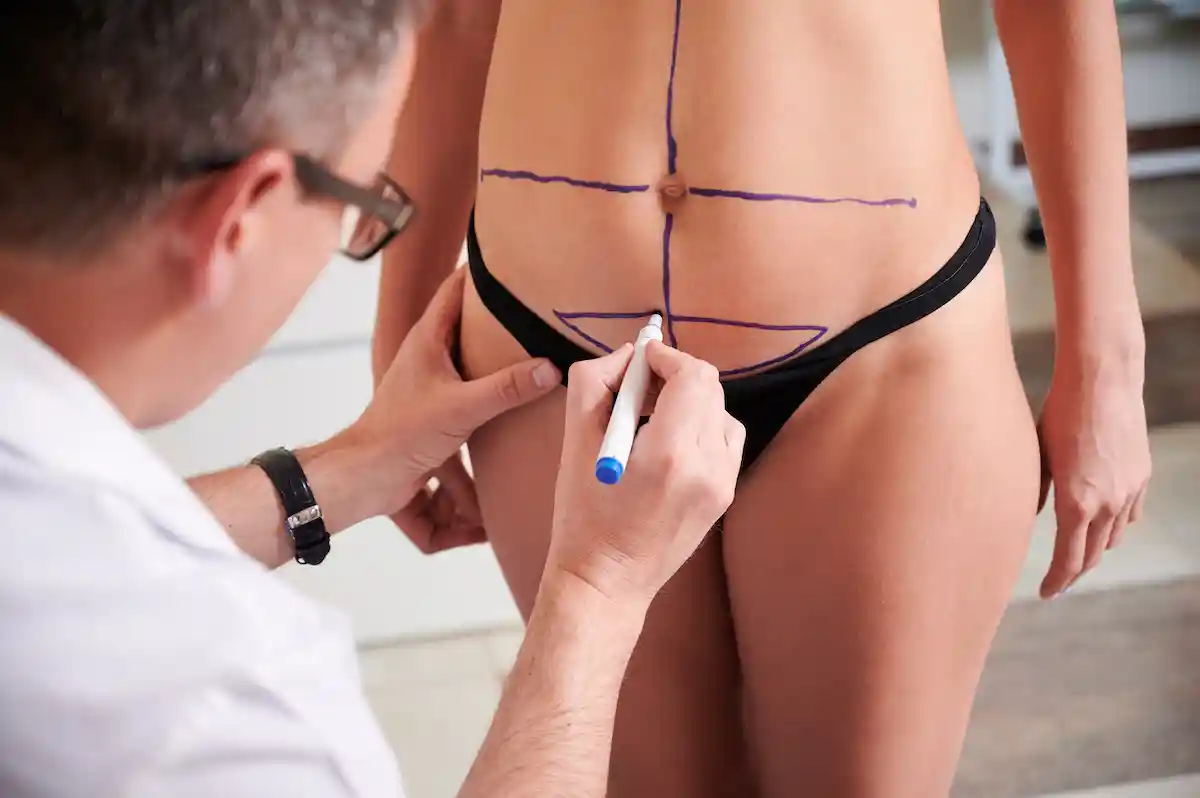
WHAT TO EXPECT
01
CONSULTATION
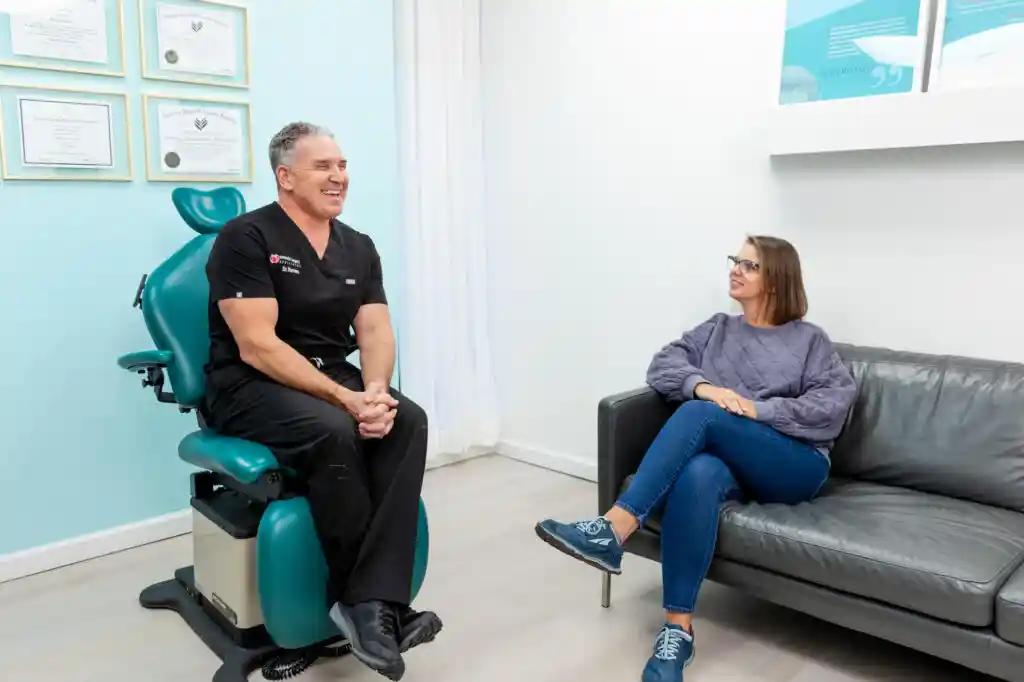
We examine your skin and your muscle wall, discuss your goals, and recommend which type of tummy tuck fits.
02
PREPARATION
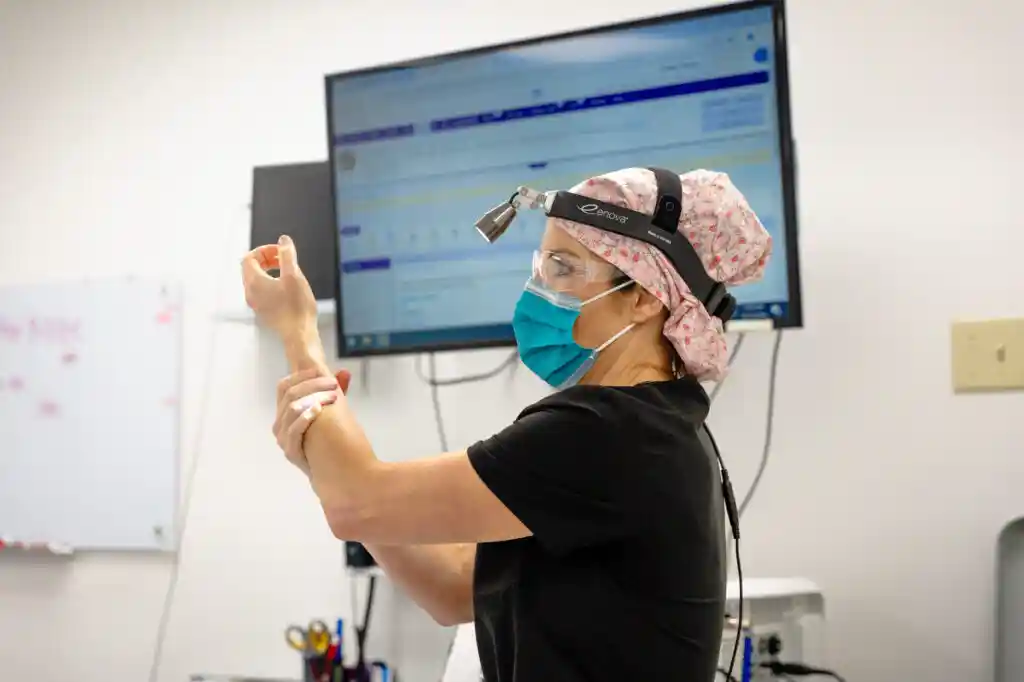
You wash as directed for several days beforehand and follow your pre-care instructions. Smokers need to stop well ahead of surgery.
03
SURGERY
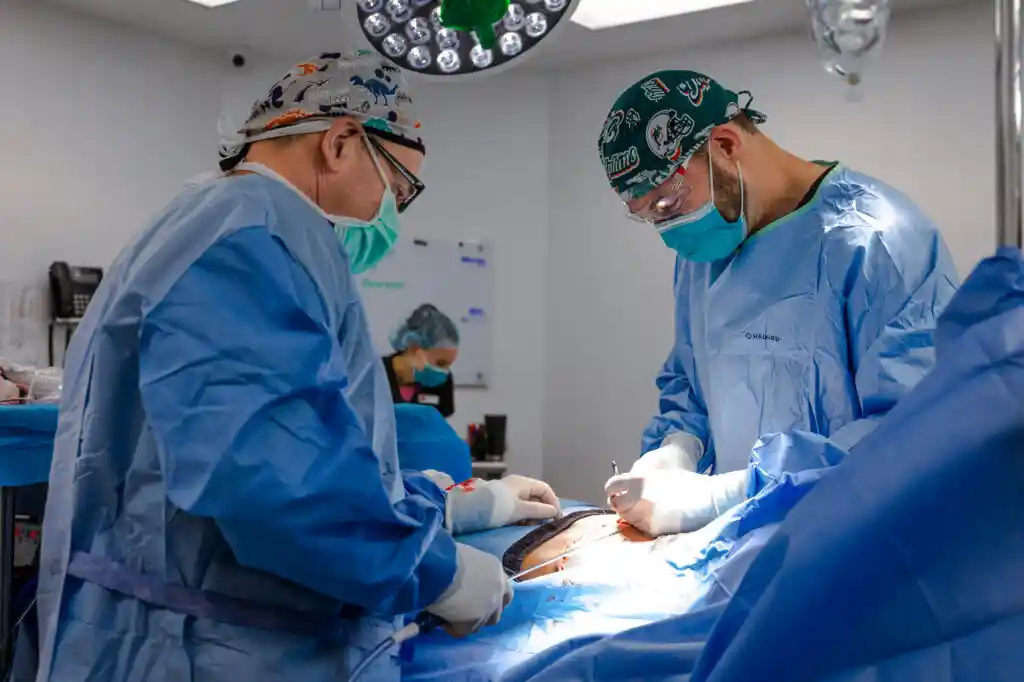
Your surgeon removes excess skin and fat, repairs the muscles, repositions the belly button, and closes with a low, discreet incision.
04
RECOVERY
You go home with a compression garment and often drains, plus a clear recovery plan and scheduled follow-ups.

IS IT RIGHT FOR YOU
Am I a Good Candidate?
You may be a strong candidate if you have loose abdominal skin or separated muscles, you are at a stable weight, and you are a non-smoker in good general health. Because pregnancy stretches everything a tummy tuck tightens, we recommend finishing your family first, and waiting at least six months after giving birth. Smoking matters a great deal here, since the abdominal skin flap depends on good circulation to heal, so we ask patients to stop well before surgery.


HEALING
YOUR RECOVERY TIMELINE
Tummy tuck recovery is more involved than most patients expect, largely because the muscle repair limits how you move. Here is a realistic picture.
01
FIRST WEEK
Rest with help. You may stand and walk slightly bent at first, and drains usually come out during this week.
02
FIRST 3 WEEKS
Wear your compression garment as directed and ease back into light daily activity.
03
ONCE HEALED
Begin your scar care as directed, usually applied once daily.
04
6 WEEKS
Exercise and strenuous activity resume once your surgeon clears you.
PLANNING AHEAD
Planning Your Procedure and Time Off
Plan on several weeks away from normal life rather than a few days. Arrange a ride, help at home for the first week or two, and someone to manage lifting and anything at floor level. If you have small children, arrange care in advance, since picking them up is off the table for a while.
Set up a recliner or wedge pillows before surgery, since you will be resting slightly bent at first and lying flat is uncomfortable early on. Wear your compression garment for the full period you are given, start scar care as soon as you are cleared, and keep the incision out of direct sun while it heals. If you are timing this around an event, allow at least three months.

Things to Consider
A tummy tuck is common and safe, but it is major surgery, so there are a few important things to keep in mind. Your surgeon will go over each one with you before you decide.
-
- A long, visible scar that fades but does not disappear
-
- Fluid collecting under the skin, called a seroma, which drains help prevent
-
- Numbness or changes in sensation across the lower abdomen
-
- Slower healing, which is considerably more common in smokers
Could Insurance Help With the Cost?
Sometimes, for part of it. When the excess lower-belly skin causes documented medical problems such as recurring rashes, infections, or open sores, removing that apron of skin, called a panniculectomy, may be considered medically necessary. A panniculectomy alone does not include muscle repair or waist reshaping, so the cosmetic portion of a tummy tuck remains out of pocket. We can help you look into what your plan requires.
Should I Combine It With Other Procedures?
Many patients do. Pairing a tummy tuck with liposuction refines the waistline, and combining it with a breast lift or augmentation is the classic mommy makeover. It also pairs naturally with a thigh lift for fuller lower-body contouring. Your surgeon will tell you what is safe to combine in one operating session, since total surgical time affects risk.
Cost & Financing
The cost of a tummy tuck depends on which type your anatomy calls for and whether you combine it with other procedures, along with anesthesia and facility fees. We provide personalized pricing after your consultation, and financing options are available. If excess lower-belly skin causes medical symptoms, part of the cost may be eligible for insurance.

THE CSA DIFFERENCE
Why Choose Cosmetic Surgery Affiliates for Your Tummy Tuck?
Offices in Oklahoma City and Jacksonville
This procedure is available at both Cosmetic Surgery Affiliates locations, in Oklahoma City and Jacksonville, Florida. Book your consultation at whichever office is closer to you, and our team will take it from there.
The Muscle Wall Assessed First
We examine for separation before recommending a type, because a procedure that skips the repair will not flatten a stomach that needs it.
Type Matched to Your Skin
Mini, full, extended, and fleur-de-lis all exist for a reason, and we recommend based on how much skin you have and which way it runs.
Honest About Timing
If another pregnancy is in your plans, we will tell you to wait rather than book a surgery your body will undo.
Every tummy tuck is performed by a board-certified surgeon in an accredited surgical facility, with your procedure type and incision plan confirmed with you before the day of surgery.
Tummy Tuck FAQs
Yes, if skin loosens again after significant weight change or over many years. A revision usually removes less skin and reuses the existing incision line rather than creating a new scar.
The muscle repair puts the abdominal wall under tension, so standing fully upright pulls on it. Walking slightly bent for the first several days protects the repair, and it resolves quickly.
Usually around six weeks, once your surgeon clears you. Lifting pulls directly on the muscle repair, so this is the restriction parents most need to plan childcare around.
Look for board certification, an accredited surgical facility, and before-and-after photos showing the scar position and how it healed. Ask whether they perform muscle repair and how they decide which type of tummy tuck you need.
Give it at least two weeks and check with your surgeon first. Long periods of sitting still raise clot risk after abdominal surgery, and cabin pressure can make swelling feel worse.
Often, for about the first week, to prevent fluid buildup. They are simple to care for and we walk you through it before you go home.
That is the goal, and it is a real part of the surgery. Your surgeon repositions and shapes it so it sits correctly on your new contour rather than looking obviously moved.
Any stretch marks in the skin that gets removed go with it, which for most patients means the lower abdomen. Marks above the navel usually remain.
READY WHEN YOU ARE
Ready to See What Is Possible?
Ready for a flatter, firmer stomach? Schedule a consultation to find out which tummy tuck fits you.