The area is numbed with local anesthetic, and sedation is available for larger treatments. Afterward the skin feels raw and hot rather than sharply painful, and that eases within days.
DERMABRASION
Level Scarring and Refinish the Surface
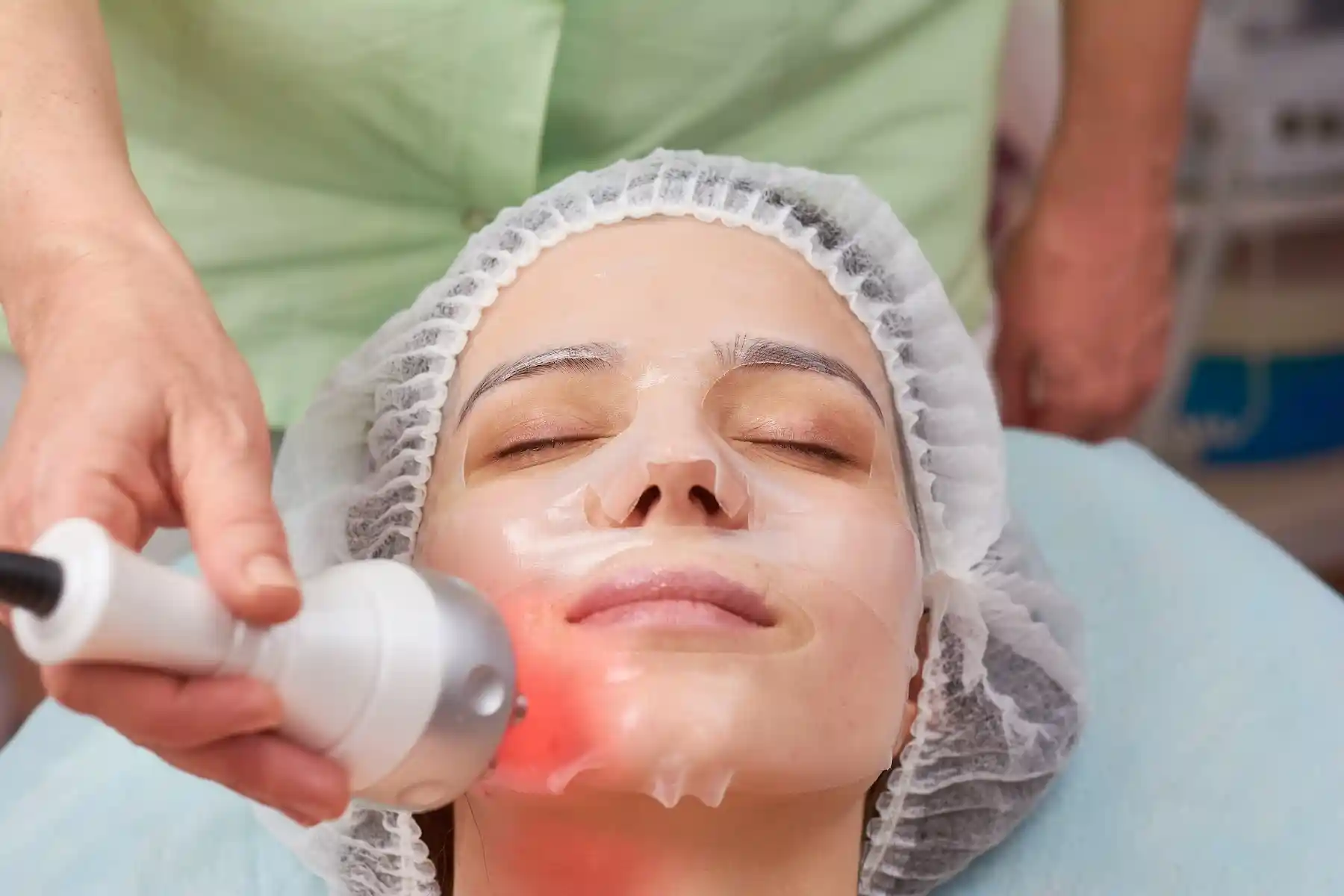
Dermabrasion sands away the outer layers of skin with a precisely controlled rotating tip. It is a surgical resurfacing procedure, and it remains one of the better tools for leveling raised or uneven scars.

Treatment Highlights
Treatment Time
30 to 60 minutes
Anesthesia
Local or sedation
Social Downtime
7 to 14 days
SURGICAL SKIN RESURFACING
Some scars and textural problems sit too deep for a peel and respond better to being physically leveled than to being heated. That is what this procedure does.
Your plan comes down to whether your concern is best treated mechanically or thermally, and how deep the work needs to go. Dermabrasion is often used on a specific area rather than a whole face, which keeps the recovery contained.
What Is Dermabrasion?
A handheld device with a rotating abrasive tip removes the outer layers of skin in a controlled way, and the surgeon works to a specific depth by feel and experience. New skin grows in over the following week or two, and collagen continues rebuilding for months. Because it is manual rather than energy-based, the surgeon has direct control over exactly how much tissue comes off in each pass.
Dermabrasion is used for:
- Acne scarring, particularly raised or uneven scars
- Surgical and traumatic scars that sit above the surrounding skin
- Deep lines around the mouth
- Rough, sun-damaged patches and precancerous spots
- Rhinophyma, or thickened skin on the nose
Dermabrasion, Microdermabrasion, or Dermaplaning?
These three names get used interchangeably and should not be. They differ enormously in depth, in who performs them, and in recovery.
Dermabrasion
A surgeon removes skin layers with a rotating abrasive tip under anesthesia.
Downtime
One to two weeks of visible healing.
Microdermabrasion
A gentle vacuum-and-crystal device exfoliates only the surface.
Downtime
None. A brightening treatment with no recovery.
Dermaplaning
A blade removes dead surface skin and fine facial hair.
Downtime
None. Immediate smoothness, done in a facial.
Only dermabrasion is a surgical procedure. The other two are skincare treatments and cannot reach scarring.
MECHANICAL OR THERMAL
Dermabrasion or Laser Resurfacing?
-
Dermabrasion
Physical Removal
Tissue is abraded away with direct tactile control, which is genuinely useful when a scar sits above the surrounding skin and needs leveling. There is no heat, so there is no thermal injury to the surrounding tissue, and the surgeon can feather the edges of a treated area precisely.
-
Laser
Controlled Heating
A laser removes tissue and heats what remains, which drives more collagen and often more overall tightening. It is generally the better choice for broad sun damage and fine lines across a whole face. Many surgeons use both, choosing by the problem rather than by preference.
What the Recovery Actually Involves
This is a surgical procedure and the healing looks like it. Being clear about that upfront is the difference between a patient who copes well and one who panics on day three.
The treated skin will be raw, weeping, and swollen for the first several days, then it crusts and a new surface forms underneath. Expect to look visibly treated for one to two weeks and to stay home for a good part of that. The pinkness will fade gradually over the weeks, and you can cover it with makeup once the skin has closed. None of that is a complication. It is the expected course, and knowing the schedule makes it manageable.
WHAT TO EXPECT
01
CONSULTATION
We examine the area and your skin tone, discuss what you want corrected, and tell you whether dermabrasion or another treatment is the better fit.

02
PREPARATION
You may use prescribed skin preparation beforehand, plus an antiviral if you are prone to cold sores. Stop retinoids as directed.
03
PROCEDURE
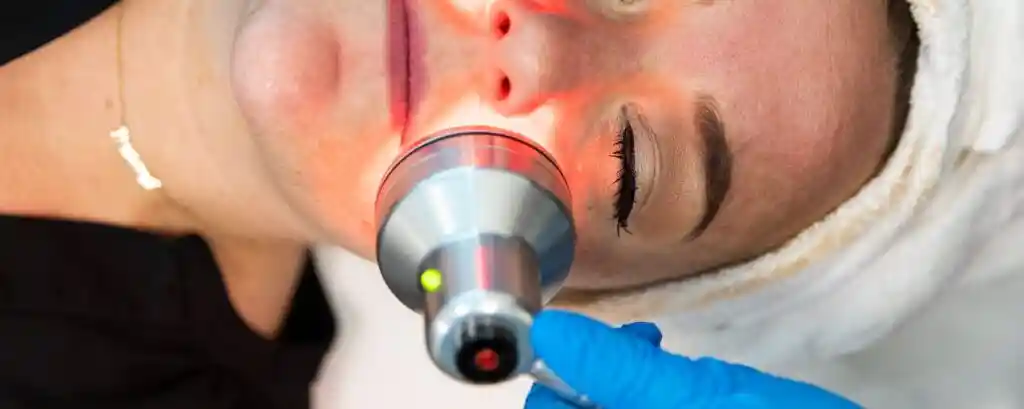
With the area numbed, your surgeon abrades the skin to the planned depth, feathering the edges so the treated area blends.
04
RECOVERY
You go home with occlusive ointment and detailed instructions, and we follow up closely through the healing phase.

IS IT RIGHT FOR YOU
Am I a Good Candidate?
Good candidates have textural concerns rather than laxity, can take a real week or two of recovery, and are committed to sun protection afterward. Skin tone matters here, since mechanical resurfacing carries a genuine risk of pigment change in richer skin, and we will discuss that openly. Tell us if you get cold sores, take isotretinoin, smoke, or scar keloidally, because each of those affects whether and how we treat you.


YOUR PROGRESS
YOUR RECOVERY TIMELINE
The healing sequence is predictable, which is the useful part. A localized area moves faster than a full-face treatment.
01
DAYS 1 TO 3
Expect swelling, heat, and weeping. Keep the area coated in ointment and rest with your head elevated.
02
DAYS 4 TO 10
The surface crusts and a new layer forms underneath. Do not pick or scrub the crusting.
03
1 TO 2 WEEKS
New skin is intact and pink. Most patients feel presentable and can cover it with makeup.
04
1 TO 6 MONTHS
Pinkness fades and collagen keeps rebuilding, so the final texture appears after healing.
PLANNING AHEAD
Planning Your Procedure and Time Off
Plan on a full week off at minimum, and closer to two if a large area was treated or your work is public-facing. Line up help at home for the first several days, since the ointment needs reapplying constantly and rest matters more than usual.
Buy your ointment, gentle cleanser, and cool compresses before the procedure rather than after, because a supply run on day two is genuinely unpleasant. Sun protection afterward is not optional, since new skin burns easily and pigments unpredictably, and unprotected exposure is the fastest way to undo your results.
Things to Consider
This is a surgical resurfacing procedure, so there are a few important things to keep in mind. Your surgeon will go over each one with you before you decide.
-
- Prolonged redness, which can last weeks after a deeper treatment
-
- Infection or cold sore reactivation, which prophylactic medication helps prevent
-
- Changes in pigmentation, either darker or lighter, which is the main concern in richer skin tones
-
- Rarely, scarring or a visible line where treated skin meets untreated skin
Is It Safe for Darker Skin Tones?
Mechanical resurfacing carries a meaningful risk of post-inflammatory hyperpigmentation in richer skin, meaning the treated area heals darker than the skin around it and can take many months to even out. Careful depth, skin preparation beforehand, and disciplined aftercare all reduce that risk, and for some patients a different treatment is genuinely the better choice.
How Long Do the Results Last?
Years, and often permanently for scar work, because you are physically reshaping the surface rather than adding something that fades. What the procedure cannot do is prevent new aging or new sun damage. Most patients keep their result with good skincare and daily sunscreen, and a scar that has been leveled stays level.
Cost & Financing
The cost depends on how large an area is treated and whether sedation is used, so a single scar costs considerably less than a full-face treatment. Scar revision after an injury or a previous surgery is occasionally eligible for insurance coverage, and we can help you check. We provide clear pricing after your consultation, and financing options are available.

THE CSA DIFFERENCE
Why Choose Cosmetic Surgery Affiliates for Dermabrasion?
Offices in Oklahoma City and Jacksonville
This procedure is available at both Cosmetic Surgery Affiliates locations, in Oklahoma City and Jacksonville, Florida. Book your consultation at whichever office is closer to you, and our team will take it from there.
Performed by a Surgeon
Depth is judged by hand and by experience during the procedure, which is why it is performed by a surgeon rather than an aesthetician.
The Right Tool Chosen
We offer laser resurfacing and peels too, so we will recommend dermabrasion only where it genuinely does the job better.
Honest About Downtime
Before you book, we’ll walk you through what the first two weeks of healing typically look like, so you can plan ahead and feel prepared throughout your recovery.
Every procedure is performed by a board-certified surgeon in an accredited surgical facility, with your treatment area and depth confirmed with you beforehand.
Dermabrasion FAQs
It levels and blends rather than erases. A raised scar can be brought flush with the surrounding skin, which usually makes it far less noticeable but not invisible.
Partially, by lowering the skin around them so the difference is less obvious. Deep indented scars often do better with microneedling or laser, sometimes combined with this.
Once the skin has fully closed and your surgeon clears it, usually one to two weeks. Earlier than that risks infection in raw skin.
This should be a board-certified surgeon in an accredited facility, not a spa treatment. Ask how many they perform, how they handle your skin tone, and to see healed results at six months.
Yes, and that is common. Treating a single area keeps the recovery contained, though your surgeon will feather the edges so there is no visible border.
Generally several months, until the original scar has fully matured. Treating too early works against healing that is still underway.
Tell us, and we will prescribe an antiviral to take before and after. Resurfacing reliably triggers an outbreak otherwise, and an outbreak on healing skin is worth preventing.
It is used more selectively than it once was, not abandoned. For leveling raised scars and reshaping thickened nasal skin, tactile control still beats a laser.
READY WHEN YOU ARE
Ready to See What Is Possible?
Ready to level a scar or refinish your skin? Schedule a consultation and we will talk through depth and recovery.