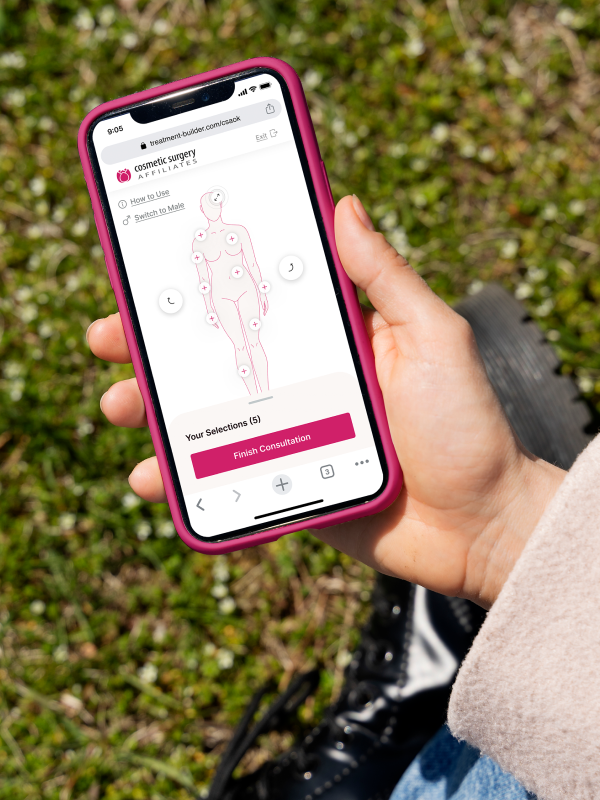


Breast augmentation remains one of the most performed cosmetic surgeries in the world, with just over 1.65 million procedures in 2024, ranking third globally behind eyelid surgery and liposuction, according to the ISAPS 2024 Global Survey.
Most of the research patients do beforehand covers surgeon selection, implant type, and size. Far less of it covers the operation itself. Patients often arrive on surgery day able to name their implant profile down to the cc but unable to describe what will happen once they are under anesthesia. This guide covers all of that: the incision, the placement, and the sequence of the procedure from first cut to closure.
At Cosmetic Surgery Affiliates in Oklahoma City, our board certified plastic surgeons OKC team believes that an informed patient is a confident patient. Knowing what to expect at every step, from the pre-op markings on your skin to the layered stitches that close everything up, takes most of the fear out of the day of surgery. So let’s walk through it together.
5 Things to Know About the Breast Augmentation Process
- Breast augmentation OKC typically takes one to three hours, and you’ll be fully asleep under general anesthesia for all of it. You won’t feel or remember a thing.
- Your surgeon makes pre-operative markings while you’re standing upright, because gravity shows your natural breast shape better than lying down ever could.
- The inframammary incision, placed in the crease beneath your breast, is used in roughly 80 percent of procedures because it gives the most precise access for implant placement.
- Implants can sit above or below the chest muscle, and that decision has a real impact on how natural your results look and feel.
- Most patients are back at a desk job within five to seven days, with full activity cleared around weeks four to six.
What Preparations Happen Before You Enter the Operating Room?
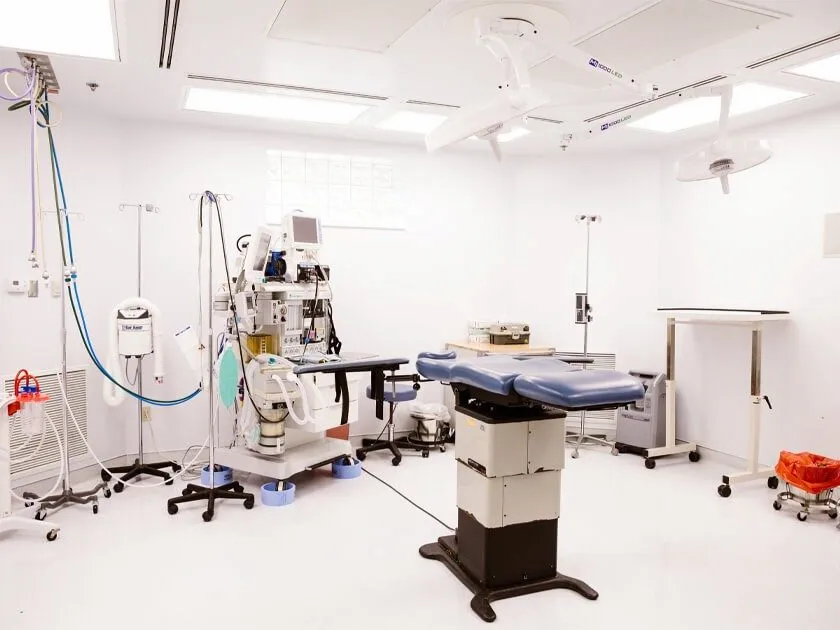
Think of surgery day as a flight. You don’t just board and take off. There’s a whole pre-flight checklist first. Surgery day starts before you ever step into the operating room.
Your surgeon will meet with you while you’re still standing, marking incision lines and placement guides directly on your skin with a surgical marker. This happens upright for a specific reason: gravity reveals how your breast tissue naturally falls, and those markings become the precise roadmap your surgeon follows once you’re lying on the table.
You’ll also meet your anesthesia team, complete one final review of your medical history, and confirm all the details of your procedure. It’s thorough, and it’s meant to be. Nothing is left to chance.
Before you arrive, there’s also a short at-home checklist to get through:
- Fast after midnight the night before (no food or water)
- Remove all jewelry, makeup, and nail polish before heading in
- Wear loose, front-opening clothing you can slip on without raising your arms
- Have a trusted adult lined up to drive you home and stay with you for the first 24 hours
- Fill all prescriptions in advance so they’re waiting when you get home
Getting these details sorted ahead of time means you walk in focused on one thing: the procedure itself.
Unsure where to start? Cosmetic Surgery Affiliates offers both in-person and virtual consultations, so you can begin the conversation from wherever you feel most comfortable.
Will You Be Awake During Breast Augmentation Surgery?
Short answer: No.
Breast augmentation uses general anesthesia or IV sedation, which means you’re fully unconscious throughout. You won’t feel, hear, or remember anything from the procedure. It’s a bit like being in a dreamless, peaceful sleep and waking up with your surgery already done.
An anesthesiologist monitors your heart rate, blood pressure, oxygen levels, and breathing throughout the surgery duration. Your anesthesia provider will also place an IV line before you head in, which is used to deliver medication and fluids throughout the procedure.
Many patients also receive anti-nausea medication proactively, since nausea is one of the more common post-anesthesia side effects. It’s worth discussing your personal history of nausea during your pre-op appointment. That conversation alone can make your recovery a lot more comfortable.
It’s completely normal to feel nervous about going under. Modern anesthesia is remarkably safe, and your entire team’s focus during those one to three hours is keeping you stable, comfortable, and cared for.
And when patients finally experience it firsthand, the nerves tend to melt away fast. As Stacy shared:
“Dr. Nuveen is a great surgeon with the best staff. From the surgical coordinators to the RN’s, and even the anesthesiologists, everyone is very attentive and cares about each patient. Definitely worth the drive from Tulsa to Oklahoma City!”
Where Will Your Breast Augmentation Incisions Be?

Worrying about scars is one of the most common concerns patients bring to their first consultation. And it makes sense, you want results you’re proud of, not reminders of surgery.
Here’s what most people don’t realize: incision placement is thoughtfully chosen to be as discreet as possible. Surgeons select locations based on your implant type, your anatomy, and your personal preferences. There are three main options:
| Incision Location | Best For | Where the Scar Ends Up |
| Inframammary (breast crease) | Most implant types; highest precision for pocket creation | Hidden in the natural fold beneath the breast |
| Periareolar (nipple edge) | Minor sagging correction; smaller implant sizes | Blends with the natural color border around the nipple |
| Transaxillary (armpit) | Patients who want no scarring on the breast itself | Concealed in the natural crease of the underarm |
The inframammary approach accounts for roughly 92% of breast augmentations. It provides the most direct access for precise pocket creation and implant positioning. Regardless of which incision your surgeon recommends, scars continue to fade for 12 to 18 months post-surgery. By the time they’ve fully matured, most are thin, pale lines that blend into the surrounding skin.
Will Your Implant Go Over or Under the Muscle?
Once the incision is made, your surgeon creates a “pocket,” the space where your implant will sit. This is one of the most important decisions in the entire procedure because it affects how natural your results look, how your recovery feels, and your long-term risk profile.
If you’ve ever worried about implants looking “bolted on” or obviously fake, this step is where that concern gets addressed.
Here’s how the three main options compare.
| Placement Type | Key Advantages | Things to Consider |
| Subglandular (over muscle) | Faster recovery and stronger initial upper fullness | Slightly higher risk of visible rippling in patients with less natural breast tissue coverage |
| Submuscular (under muscle) | More natural upper slope, lower capsular contracture risk, and better mammogram imaging | Longer “drop and fluff” phase as the muscle relaxes |
| Dual Plane (hybrid) | Combines the coverage benefits of submuscular with natural lower-pole expansion | Requires precise technique; often the preferred approach for natural results |
The dual-plane technique is one of the most commonly used approaches because it prevents the “bolted on” appearance that some patients worry about. The muscle covers the top, while the lower half expands naturally with the breast tissue.
How Does the Implant Actually Get Inside?
This part surprises most patients because it’s more refined than you might picture.
Rather than placing the implant by hand, many surgeons use a no-touch insertion technique with a sterile funnel device. This approach is one of the reasons capsular contracture rates have continued to decline. Less handling means less risk, plain and simple.
If you’re receiving silicone implants, the incision is slightly larger because they come pre-filled. Saline implants are inserted deflated and then filled with sterile saltwater once they’re in position, which allows for a smaller incision. Your surgeon will explain which approach fits your implant choice at your consultation.
And when the technique is done right, the results speak for themselves.
Here’s what Shelly had to say after her second procedure:
“Every single staff member is so kind and helpful. They make you feel like a friend instead of a patient. This is my second procedure with Dr Nuveen and his work is outstanding. No one can even see the scar lines and the results exceeded my expectations. Would recommend CSA to everyone I know.”
How Is Everything Closed and Sealed?
By the time your surgeon is satisfied with symmetry and positioning, the most technically demanding work is done. Closing the incision is the final step, and it’s handled with just as much care as everything that came before it.
The incision is closed in layers using dissolving internal sutures, so there’s nothing to remove at your follow-up appointment. Surgical adhesive or steri-strip tape goes over the incision line to protect it as healing begins. This layered approach is what prevents the older-style “railroad track” scarring that some patients fear.
When you leave the surgery center, here’s what you’ll typically have:
- Dissolving internal sutures already in place — nothing to remove later
- Surgical glue or adhesive strips protecting the incision line
- Bandages and a supportive surgical bra to hold everything in position
- In most standard augmentations, no drains are needed
Your team will monitor you in the recovery area until the anesthesia has worn off and you can walk and drink water safely. You’ll receive detailed post-operative instructions before heading home with your designated driver. Plan on about three to four hours total at the surgical center from arrival to departure.
What Does Breast Augmentation Recovery Look Like Day by Day?
Recovery from breast augmentation follows a predictable rhythm. Knowing the phases in advance helps you plan realistically and avoids the frustration of expecting to feel great on day three when your body has other plans.
| Timeline | What You’ll Feel | Activity Level |
| Days 1–3 | Tightness, pressure, a heavy chest feeling. Peak discomfort. Possible post-anesthesia nausea. | Rest only. Short walks every few hours to help circulation. |
| Days 4–7 | Discomfort is noticeably improving. Transitioning from prescription meds to Tylenol. Showering is usually permitted. | Desk work possible by day 5–7. No lifting over 5 lbs. |
| Weeks 2–3 | “Drop and fluff” phase begins as implants settle. Swelling peaks then start declining. Scars are beginning to mature. | Light daily tasks. No cardio or heavy lifting yet. |
| Weeks 4–6 | Implants settling into final position. Breasts softening. Scars are fading steadily. | Lower body exercise resumed. Upper body and chest still on hold. |
| Months 3–6 | Final results visible. Swelling fully resolved. Scars continue lightening up to 18–24 months. | Full activity without restrictions. |
The first few days can feel frustrating, especially if you’re the kind of person who’s always on the move. But going slow in weeks one and two is what sets up the best possible long-term results.
Want to see what real patients look like at various stages? Take a look at the before and after gallery for a real sense of what to expect.
Why Do Surgeon Credentials Matter for Your Results?
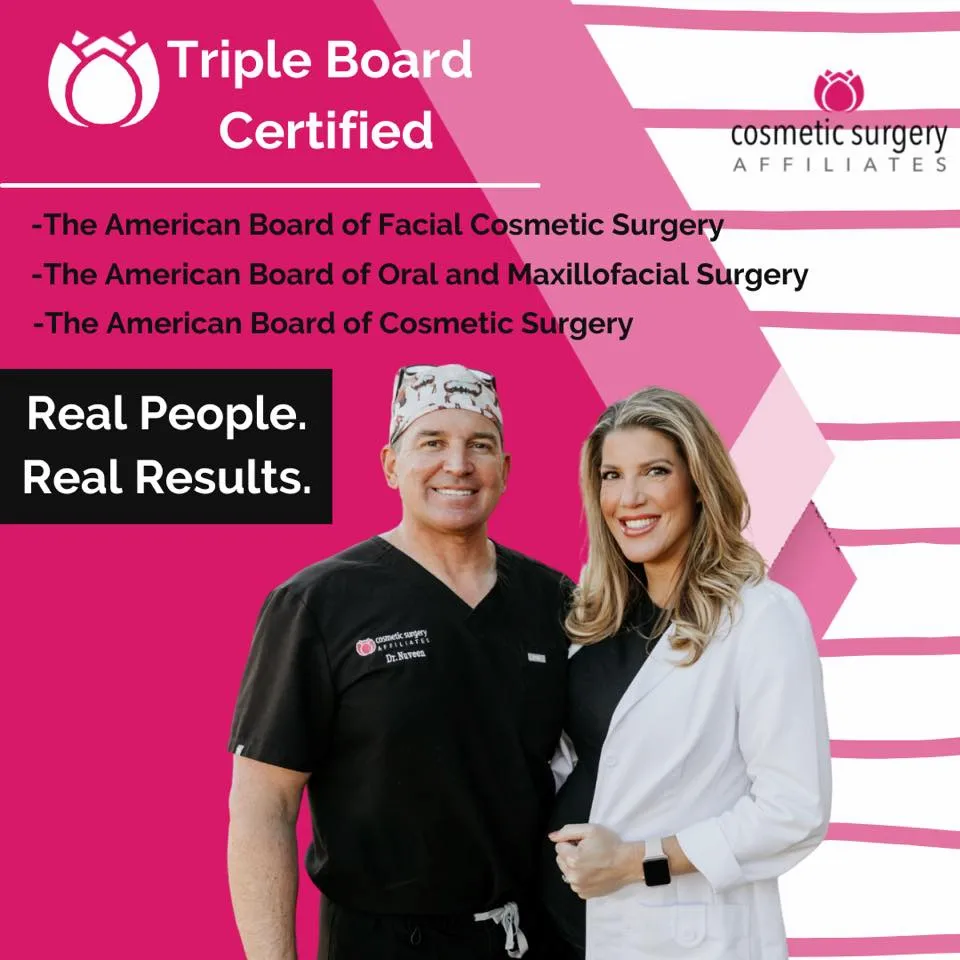
Every step in this guide, anesthesia, pocket creation, insertion, and closure, depends entirely on the experience and training of the person performing it. Choosing a board-certified surgeon isn’t just a recommendation. It’s the single most important decision you’ll make in this entire process. That’s why so many patients choose a board-certified plastic surgeon OKC residents have trusted for years.
Credentials to look for when evaluating a surgeon:
- Board certification in cosmetic surgery from a recognized certifying body
- Before-and-after photos showing consistent, natural-looking results
- Fellowship-level training specifically in cosmetic breast surgery
- A significant track record of breast augmentation procedures
- Patient reviews that speak to communication, follow-up care, and honesty
The team at CSA Oklahoma has performed over 26,000 cosmetic procedures since 2003.
That depth of training translates directly to better decision-making in the operating room, particularly when it comes to nuanced calls like pocket creation, implant positioning, and achieving symmetry. For the full breakdown of risks and safety protocols across every stage of the procedure, see our breast implant safety guide.
Credentials get you in the door. How a team treats you is what keeps patients coming back for 20 years.
Heather knows that firsthand:
“Excellent treatment by the Doctor and staff! They genuinely care for you and listen to your concerns and answers all your questions. I have been a patient for over 20 yrs and recommend!”
How Much Does Breast Augmentation Cost in Oklahoma City?
The cost of breast augmentation at Cosmetic Surgery Affiliates ranges from $6,500 to $9,500, depending on the specifics of your procedure. That number isn’t one line item. It’s the sum of everything that goes into your care.
Here’s a breakdown of what makes up the total:
- Surgeon’s fee, which covers surgical expertise, pre-op planning, and post-op follow-up appointments
- Anesthesia fee for a board-certified anesthesiologist throughout the procedure
- Facility fee for an accredited surgical center with full safety equipment and staff
- Post-op supplies, which include a surgical bra, bandages, and follow-up care materials
Cosmetic breast augmentation is typically not covered by insurance. Flexible financing options are available through Cherry, PatientFi, and Alphaeon to help make your procedure accessible on a timeline that works for your budget. Reach out to the team to request a personalized estimate.
What Are Your Next Steps?
If this guide has given you a clearer picture of what happens in that operating room, here’s how to keep the momentum going:
- Research board-certified surgeons in your area and compare their credentials
- Read patient reviews and study before-and-after photo galleries
- Schedule consultations with two or three surgeons to compare approaches
- Write down every question you have before your consultation — no question is too small
- Give yourself time after your consultation to reflect before committing to a date
Whether you’re still in early research mode or ready to schedule, Cosmetic Surgery Affiliates offers both in-person and virtual consultations. You can start the conversation from wherever feels most comfortable.
Conclusion
Breast augmentation is one of the most studied, refined, and consistently performed cosmetic surgeries in the world. Every step from the upright pre-op markings to the final layered closure is deliberately designed with precision, safety, and your results in mind.
Understanding the process doesn’t just reduce anxiety. It helps you show up to your consultation with sharper questions, a clear picture of what the procedure can and cannot achieve, and genuine confidence in your own decision-making.
At Cosmetic Surgery Affiliates in Oklahoma City, every patient deserves to feel heard, respected, and clear about what’s ahead. If you’re ready to take the next step or just want to talk it through, the team is here.
Disclaimer – This content is for educational purposes only and does not constitute medical advice. A consultation with a qualified board-certified surgeon is required to determine the best treatment plan for your individual needs and any questions you may have about a medical condition or procedure.
Frequently Asked Questions
How long do breast implants last?
Modern breast implants are designed to be durable, and most last 10 to 20 years or longer. FDA classifies them as non-lifetime devices, meaning regular monitoring is recommended, and replacement is based on your individual situation, not a fixed expiration date.
Can I breastfeed with implants?
Most people with breast implants can breastfeed successfully. Your ability to do so depends largely on the incision location and whether any milk ducts were affected during surgery.
Will I lose nipple sensation?
Some temporary changes in nipple sensation are common after surgery, but permanent loss is rare. Most patients find that normal sensation gradually returns within a few weeks to months.
What is the difference between silicone and saline?
Silicone implants are pre-filled with cohesive gel and tend to feel more like natural breast tissue. Saline implants are filled with sterile salt water after placement, which allows for a smaller incision and easier monitoring over time.
Is the surgery painful?
You won’t feel anything during the procedure because you’ll be under general anesthesia. Post-operative discomfort is typically managed with prescription medication for the first few days, and discussing pain management during your consultation helps you feel fully prepared.