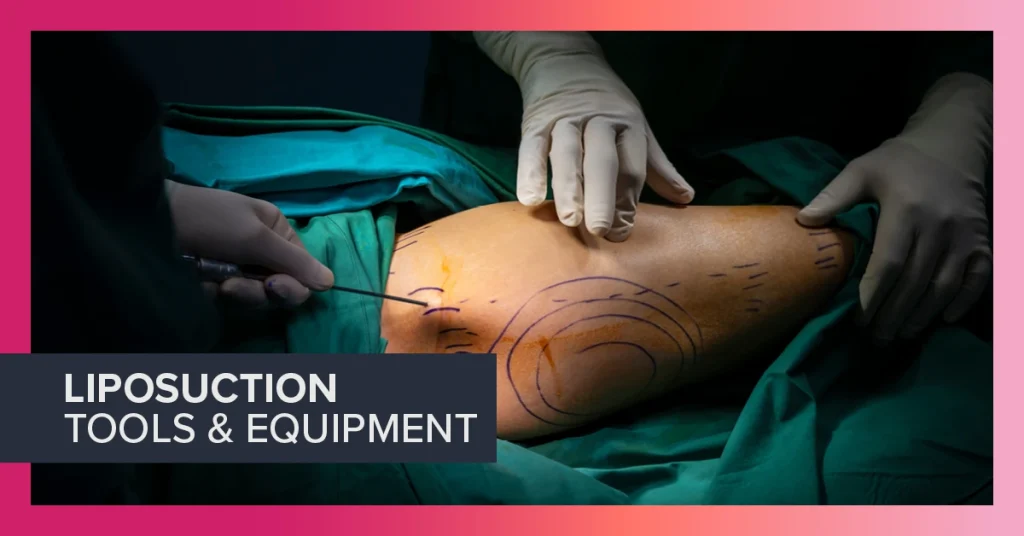


If you’re asking whether insurance covers liposuction, you may already suspect the answer. For nearly everyone it doesn’t, because health plans treat body contouring as elective cosmetic surgery.
That doesn’t put the procedure out of reach. It simply moves the question from who pays to how you’d like to pay, and that question has good answers.
Liposuction was the most requested surgical procedure for women worldwide in 2024, with 1,792,323 procedures recorded by ISAPS in its 2024 global survey. The overwhelming majority of those were elective. Elective cosmetic surgery isn’t something health plans pay for, which is why the narrow exceptions matter so much.
At Cosmetic Surgery Affiliates, with offices in Oklahoma City and Jacksonville, our board-certified cosmetic surgeons have cared for more than 27,000 patients. Every price we quote is a single all-inclusive fee, so anesthesia, the facility, supplies, and the surgeon’s fee arrive as one number. We don’t accept or bill health insurance for any procedure. Instead, we work with two patient financing companies, PatientFi and Alphaeon, so you can spread that fee into monthly payments.
Key takeaways
- We don’t accept or bill health insurance. Every procedure is self-pay, with financing available through PatientFi and Alphaeon. Health plans treat liposuction for contouring as elective cosmetic surgery, so it isn’t covered.
- PatientFi looks beyond your credit score, and Alphaeon lets you check whether you prequalify with no impact to your credit.
- Because every fee is all-inclusive, the amount you finance is the amount you were quoted, with no separate anesthesia or facility bill later.
- Liposuction is priced per treatment area, not per pound of fat removed. The first area runs $5,600 to $8,600, each additional area runs $2,500 to $5,500, and Liposuction 360 is priced separately.
- Paying yourself has its own rules. A deferred-interest promotion can bill you for all accrued interest if a balance remains. HSA and FSA funds cover liposuction only when it’s medically necessary.
Does health insurance ever cover liposuction?
Health insurance covers liposuction when it treats a disease, not a silhouette. Insurers separate cosmetic surgery, done to change appearance, from reconstructive surgery, done to restore how your body works.
The insurance guidance from ISAPS notes that most cosmetic surgery procedures are considered elective and therefore aren’t covered under medical insurance. What flips that answer is a single phrase, medical necessity.
| What differs | Cosmetic liposuction | Reconstructive liposuction |
|---|---|---|
| Purpose | Change contour or appearance | Treat a diagnosed condition |
| What you must show | Nothing medical | Documented functional impairment |
| Typical conditions | None | Lipedema, lymphedema |
| Coverage | Not covered | Possible with prior authorization |
| Who pays | You | Your plan, after approval |
The narrow exceptions are conditions such as lipedema and lymphedema, where disproportionate fat or swelling causes pain and makes walking, sitting, or standing harder. The American Board of Cosmetic Surgery describes liposuction as essential in lipedema. Even then, insurers typically want a confirmed diagnosis and months of documented conservative therapy before they’ll consider it.
We don’t accept or bill insurance, including for these cases. If you think you have a qualifying condition, your primary care doctor and your insurer are the right place to start. For everyone else, the useful question is how to plan the cost.
How can you pay for liposuction without insurance?
Paying for surgery yourself feels different from paying for anything else, because the thing you’re buying is you. There’s nothing to apologize for in wanting the number up front.
At Cosmetic Surgery Affiliates, liposuction is priced by treatment area rather than by the pound of fat removed. The first area runs $5,600 to $8,600, and each additional area you and your surgeon decide to treat runs $2,500 to $5,500. Liposuction 360, which addresses the midsection circumferentially, is priced separately at $14,000 to $17,000.
Every one of those figures is a single, all-inclusive fee. Anesthesia, facility time, supplies, and your surgeon’s professional fee are bundled into that one number. The practice has held to that policy for more than 24 years.
| What you pay for | Price range |
|---|---|
| First treatment area | $5,600-$8,600 |
| Each additional area | $2,500-$5,500 |
| Liposuction 360 | $14,000-$17,000 |
Medical financing platforms
Two lenders built for elective medical care handle most of the financing here. PatientFi looks beyond your credit score to build a plan around your broader situation, rather than reducing you to a three-digit number.
Alphaeon offers a choice of payment plans with no up-front cost and no pre-payment penalty. You can check whether you prequalify without any impact to your credit score, which makes it low-risk to simply find out where you stand.
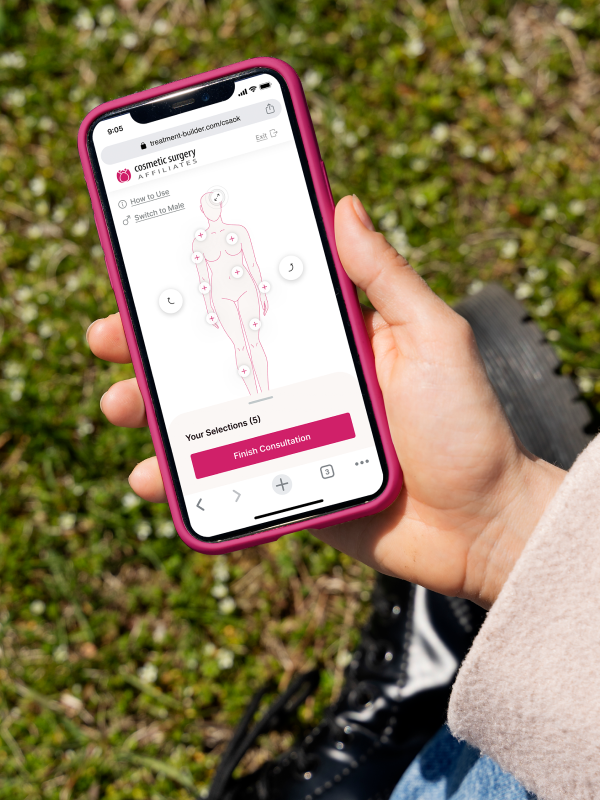
You can apply online before your consultation, so you walk in already knowing what monthly budget you’re working with. That turns the cost conversation into a planning session rather than a guess.
To see what monthly terms would look like for your plan, view financing options through PatientFi and Alphaeon.
Vanessa, who used the practice’s financing for her own procedure, shared her experience:
“I am extremely pleased with the results of my breast augmentation. Dr. Nuveen and nurse Olivia made the entire process easy and enjoyable! The front desk woman were sweet and helpful every time I called with any questions. And the finance options are top tier. Thank you so much Cosmetic Surgery Affiliates!”
The deferred-interest trap
Promotional financing can carry a catch worth understanding before you sign anything. Under a deferred-interest promotion, interest quietly accrues on your full balance during the promotional window without being charged.
Pay the balance off before the window closes and that interest is waived. Leave even a small balance and the lender can charge all of it, calculated back to the original purchase date. The CFPB has warned patients about exactly this structure on medical credit cards.
One question protects you completely. Ask what happens if a balance remains when the promotional period ends. A fixed-rate plan with no deferred interest removes the risk entirely.
Personal loans
An unsecured personal loan from a bank or credit union is the quiet third option. The rate is fixed, the term is set, and there’s no retroactive interest waiting at the end of a promotion.
What you give up is the convenience of applying in the surgeon’s office, and the rate you’re offered depends heavily on your credit. For some people that trade is worth making, and for others it isn’t.
Whichever route you choose, you’re not the first person to sit with this math at a kitchen table. There’s one more lever most people overlook, and it involves money you may have already set aside.
How can tax-advantaged accounts help you pay for liposuction?
Health Savings Accounts and Flexible Spending Accounts let you spend pre-tax dollars on medical care, which quietly discounts the bill. Whether liposuction qualifies depends on the same test insurance applies.
IRS Publication 502 excludes cosmetic surgery from qualified medical expenses. The exception is surgery that corrects a deformity arising from a congenital abnormality, a personal injury, or a disfiguring disease. So the answer tracks your diagnosis rather than your intentions.
Liposuction for documented lipedema can be reimbursed. Liposuction to refine a contour cannot.
Spending HSA money on a non-qualified expense before age 65 brings ordinary income tax plus a 20 percent penalty. Confirming eligibility with your plan administrator first keeps your tax advantage intact.
Post-operative supplies follow a friendlier rule. Medical-grade compression garments and surgical binders are generally eligible when they’re indicated for recovery, while shapewear bought for everyday shaping is not.
This is where an itemized quote earns its keep. Because Cosmetic Surgery Affiliates quotes one all-inclusive surgical fee, you hand your plan administrator one documented figure, not a scatter of separate bills.
| Expense | HSA or FSA eligible? |
|---|---|
| Cosmetic liposuction | No |
| Liposuction for a diagnosed condition | Yes, with a letter of medical necessity |
| Post-operative compression garments | Yes, when medically indicated |
| Everyday shapewear | No |
Paperwork is nobody’s idea of a good time, though this is one of the few places a form genuinely saves you money. Money questions get easier to ask once you know the vocabulary, and the place to use it is the consultation.
What should you ask about cost and payment at your consultation?

A consultation isn’t only the surgeon deciding whether you’re a candidate. It’s equally your chance to decide whether the practice, and the price, are right for you.
You can begin with a virtual consultation from home or visit one of our two offices. Liposuction is available in Oklahoma City, which also welcomes patients from Edmond and Norman, and in Jacksonville, at the same all-inclusive pricing. Either way, the surgeon listens to what you want, examines the areas you’re considering, and walks through your options before anyone quotes a number.
Triple board-certified, fellowship-trained cosmetic surgeon Dr. Erik Nuveen has performed more than 27,000 major cosmetic surgeries since 2003, with a longstanding focus on body contouring after major weight loss. Choosing an accredited surgical facility and a board-certified surgeon is the most protective decision you make before any procedure. Accreditation holds the operating room to national safety standards, and board certification confirms formal training in the surgery you’re considering.
Under the No Surprises Act, self-pay patients are entitled to a written Good Faith Estimate of expected charges before a scheduled procedure. That estimate also gives you standing, because a final bill that lands well above it can be formally disputed.
Bring questions. These four separate a transparent quote from a teaser rate:
- Is this quote all-inclusive, or are anesthesia and facility fees billed separately?
- Is a deposit required to hold a surgery date, and is any part of it refundable?
- Which financing partners do you work with, and does any plan use deferred interest?
- If a revision is ever needed, who pays for the facility and anesthesia?
The practice offers flexible financing through PatientFi and Alphaeon, so you can match a payment schedule to your budget.
Ouida, who arrived with a long list of questions, shared her experience:
“The staff was super friendly, personable and informative! I was late to my appointment and they were still so kind and understanding. They were willing to answer all questions I had and give honest and helpful feedback! Definitely recommend booking with them for sure!!!!”
You’ll leave knowing what your procedure costs and how you’d pay for it, which is more clarity than most people carry into surgery.
Conclusion
Insurance covers liposuction only when it treats a diagnosed condition, and we don’t accept or bill insurance in any case. For nearly everyone, the real question was never whether a plan would pay, but how you’d like to pay yourself.
An all-inclusive quote, a financing plan you understand, and a straight answer on deferred interest turn an overwhelming number into a manageable one.
At Cosmetic Surgery Affiliates, we want every patient to make this decision with clear numbers and no surprises, including the financial ones. Whether you plan to pay in full or spread the cost over time, book your consultation and start the conversation.
Frequently asked questions
Do you accept health insurance for liposuction?
No. The practice doesn’t accept or bill health insurance for any procedure, including liposuction. Every procedure is self-pay at a single all-inclusive fee, which you can spread into monthly payments through PatientFi or Alphaeon.
Can I use HSA or FSA funds for compression garments after liposuction?
Usually, yes. Medical-grade compression garments and surgical binders are generally eligible when they’re medically indicated for recovery, while everyday shapewear isn’t. Cosmetic liposuction itself isn’t an eligible expense, so confirm with your plan administrator first.
Can I apply for financing before my consultation?
Yes. Both PatientFi and Alphaeon take applications online, and Alphaeon lets you check whether you prequalify with no impact to your credit score. Knowing your approved amount ahead of time makes the cost conversation at your consultation far more concrete.
How does deferred interest work on medical credit cards?
During a promotional period, interest accrues on your full balance but isn’t charged to you. Pay the balance off in time and it’s waived entirely. Leave even a small balance when the promotion ends, and the lender can bill you for all of it. That interest is calculated back to the original purchase date.
Are there financing options for liposuction with bad credit?
A lower credit score doesn’t automatically close the door. PatientFi is built to look beyond a score at your broader financial picture. Alphaeon lets you check whether you prequalify without any impact to your credit. Neither is a guarantee of approval, but both make it low-risk to find out where you stand.
Can I pay for liposuction in installments directly to the surgeon?
The practice works with two medical lenders, PatientFi and Alphaeon, that spread the cost into fixed monthly payments. Because every surgical price is a single all-inclusive fee, the amount you finance is the amount you were quoted. Your consultation is the place to compare terms and choose a plan that fits your budget.
*Disclaimer: This content is for educational purposes only and does not constitute medical advice. A consultation with a qualified board-certified surgeon is required to determine the best treatment plan for your individual needs and any questions you may have about a medical condition or procedure.