

A tummy tuck has a reputation for being a painful surgery, and if that reputation has kept you from looking into it, you’re not alone. Here’s the honest version. Yes, there’s real discomfort, but it’s usually a deep soreness and tightness rather than the sharp, unbearable pain people picture.
A tummy tuck, known medically as abdominoplasty, is one of the most common body procedures in the world. More than 1 million were performed globally in 2024, according to ISAPS. With that kind of volume, surgeons have refined pain management into a predictable routine they know inside and out.
At Cosmetic Surgery Affiliates in Oklahoma City, our board-certified cosmetic surgeons hear the pain question at nearly every tummy tuck consultation. Below, we cover what the pain feels like, how it eases each week, how to manage it at home, and when to call your surgeon.
Key takeaways
- Tummy tuck pain usually feels like deep soreness and tightness across the abdomen rather than sharp, stabbing pain. The first one to three days are typically the most uncomfortable.
- Most of the early discomfort comes from the abdominal muscle repair, not the incision itself, which is why a full tummy tuck generally feels more intense than a mini tummy tuck.
- A combination of pain medication, a compression garment, gentle walks, and sleeping slightly propped up helps keep recovery much more comfortable at home.
- As you heal, the pain should gradually improve day by day. If it suddenly gets worse or comes with fever, spreading redness, or swelling in your leg, it’s time to call your surgeon.
What does tummy tuck pain actually feel like right after surgery?
Most people bracing for a tummy tuck expect a sharp, stabbing pain. What patients describe is different. The dominant feeling right after a tummy tuck is a deep, aching soreness along with a strong sense of tightness across the whole abdomen.
That tightness is the star of the show, and it has a reason. During surgery, the abdominal muscles are stitched back together, and gathering that tissue creates a corset-like pull. The soreness concentrates in the lower belly and along the incision that runs low from hip to hip.
So how strong is it really? A 2023 study of 55 patients found peak pain averaged around 5 out of 10. For most people, that soreness is strongest in the first one to three days before it starts to ease.
You’ll also notice you can’t stand fully upright at first, and walking means bending forward at the waist. That posture feels strange but is completely normal while the repair settles.
How does the pain change over the first few weeks?
The reassuring part of recovery is that the pain follows a predictable downward curve. The first two days are the most uncomfortable. After that, the intensity drops into a more manageable, nagging ache by the end of the first week.
Weeks two through four bring steady gains. The sharp soreness fades into a milder tightness and a pulling feeling when you move. Most people are back to a light daily routine within three to four weeks.
Here’s a rough map of what the discomfort tends to feel like as you heal:
| Recovery phase | What the discomfort feels like | What most people are doing |
|---|---|---|
| First 2 to 3 days | Peak soreness and strong tightness | Resting, taking short assisted walks |
| Days 4 to 7 | Drops to a nagging, manageable ache | Up and moving around the house |
| Weeks 2 to 4 | Mild soreness with a tight, pulling feeling | Returning to light daily activities |
| Around 6 weeks | Mostly comfortable, occasional tightness | Easing back into strenuous exercise |
Timelines vary from person to person, but the general shape holds. Next, let’s look at how to stay comfortable through recovery.
What can you do to manage tummy tuck pain at home?
Most of your comfort is within your control, and a few simple tools do the heavy lifting. At Cosmetic Surgery Affiliates, we send patients home with a clear, layered plan rather than a single pill.
Pain medication
For the first several days, your surgeon will prescribe medication to help keep the soreness under control. It’s often combined with a muscle relaxer to ease that tight, gripping feeling, along with medication for nausea if you need it. Most patients are able to switch to over-the-counter pain relievers like acetaminophen or ibuprofen within four to seven days.
Compression garments
You’ll head home wearing a compression garment, and it plays a bigger role than many people expect. When worn as directed, it supports your healing abdominal muscles, helps reduce swelling, and relieves some of the tight, pulling sensation that comes with recovery.
Gentle movement and rest
Short, slow walks are one of the best things you can do. Getting up to walk at regular intervals eases stiffness and helps your circulation. A few small adjustments help too:
- Keep a pillow nearby to gently brace your abdomen when you cough or laugh
- Set up a recovery spot with water, snacks, and medication within arm’s reach
- Sleep semi-reclined with pillows behind your back and under your knees
Francesca, who focused on staying comfortable through her tummy tuck recovery, shared her experience:
“I had a breast lift and tummy tuck with Cosmetic Surgery Affiliates in OKC, and I couldn’t be happier with my experience. Dr. Meyer was absolutely amazing, she made me feel comfortable and confident from day one.”
Having the right recovery plan in place is only part of the picture. It also helps to understand why some tummy tucks hurt more than others.
What makes a tummy tuck more or less painful?
Not every tummy tuck feels the same, and the difference comes down to how much work the surgery involves. Most of the early discomfort comes from tightening the abdominal muscles and removing excess tissue, rather than from the incision itself. A 2024 review notes that abdominal wall tightening is a key contributor to postoperative pain, underscoring why effective pain management is such a central part of recovery.
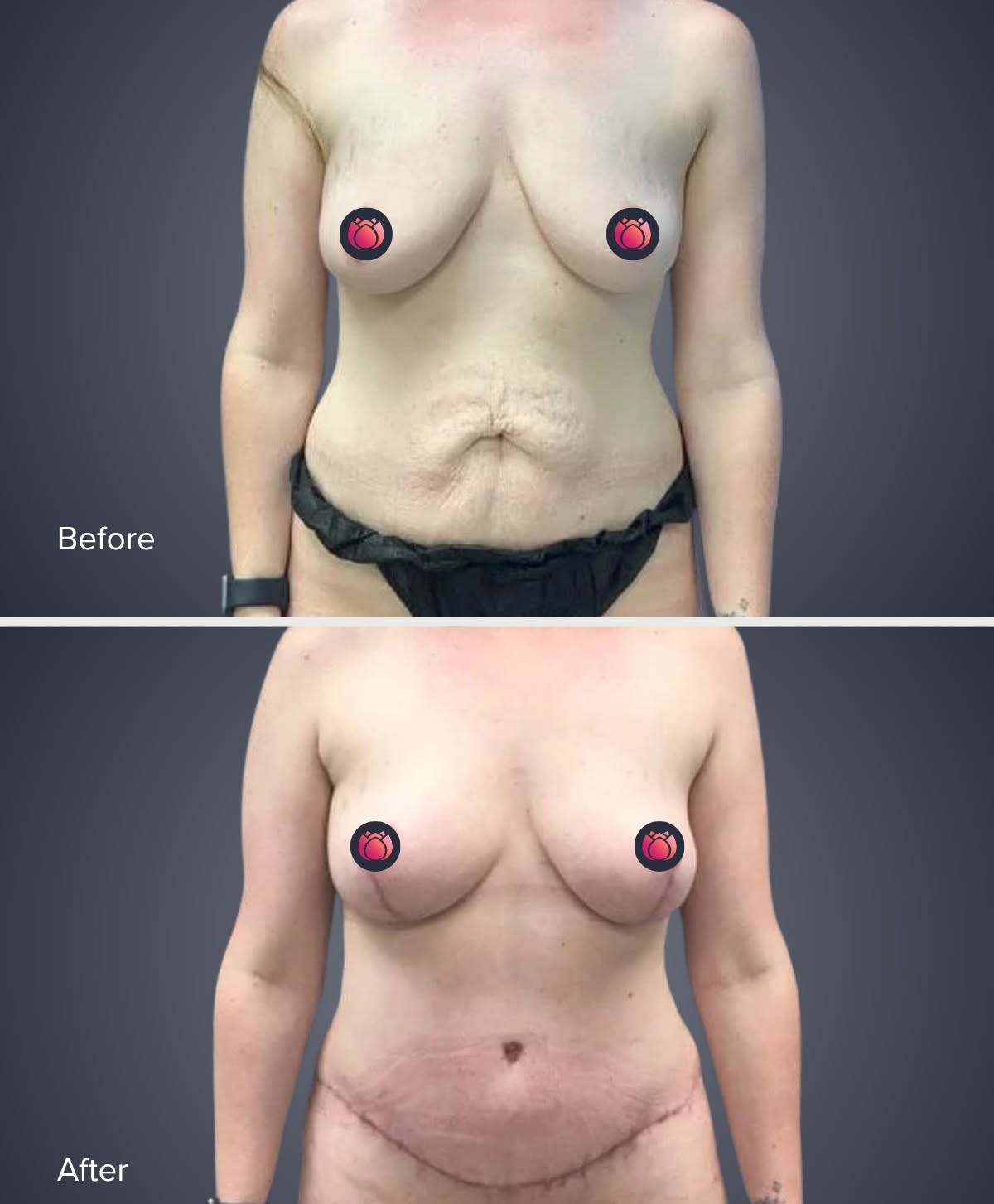
The type of tummy tuck is the biggest factor. A mini tummy tuck works on a smaller area with a shorter incision, so it usually means a gentler, quicker recovery. A full or extended tummy tuck addresses more skin and muscle, which naturally comes with more soreness.
| Type of tummy tuck | Incision and scope | Relative discomfort |
|---|---|---|
| Mini tummy tuck | Smaller incision, lower abdomen only | Mildest, shortest recovery |
| Full tummy tuck | Hip-to-hip incision, full muscle repair | Moderate, standard recovery |
| Extended tummy tuck | Longer incision around the flanks | Most involved, longest recovery |
A few personal factors matter too. The 2023 study found that older patients tended to report higher peak pain, and your overall health shapes how quickly the soreness fades.
This is exactly why the surgical plan is so personal. Triple board-certified, fellowship-trained cosmetic surgeon Dr. Erik Nuveen tailors the incision and technique to your body and goals. Knowing what’s normal is reassuring, but it’s just as important to recognize the signs that deserve attention.
When should you worry that your pain isn’t normal?
Let’s start with the reassuring truth: the vast majority of patients heal without any trouble. Normal healing means your pain gets a little better every day. When something clearly breaks that pattern, a quick call lets your surgeon step in early.
A few specific signs are worth a prompt call to your surgical team:
- Pain that suddenly spikes or keeps getting worse instead of easing
- Pain that no longer responds to your prescribed medication
- Spreading redness, warmth, or a sudden increase in swelling around the incision
- A fever above 101 degrees, or drainage that increases or develops a foul odor
A different set of symptoms calls for immediate emergency care: chest pain, trouble breathing, or pain and swelling in one calf. These are uncommon, but knowing the signs means you can act fast. Trust the rule of daily improvement and reach out whenever something feels off.
Raven, who leaned on her care team whenever a healing question came up, shared her experience:
“Meyer and her team of staff make you feel like family from start to finish. I had my 360 lower body lift including a tummy tuck done in May. I am still recovering, and any pain or healing concerns I have had have been taken care of.”
How can a consultation help you plan for a comfortable recovery?
The best way to replace worry with a real plan is to sit down and talk it through. At Cosmetic Surgery Affiliates, you talk directly with one of our doctors, who reviews your goals and explains what recovery will realistically feel like.
This visit isn’t only a chance for the surgeon to evaluate you. It’s equally your chance to evaluate them, ask every question, and decide whether the fit feels right. There’s no pressure to commit on the spot.
If you’re outside Oklahoma City or simply prefer to start from home, a virtual consultation lets you begin from the couch. To keep the cost side manageable, we offer flexible financing through PatientFi and Alphaeon, so a payment plan can fit your budget.
Conclusion
Tummy tuck pain is real, but it’s far more predictable and manageable than many people expect. Most people experience soreness and tightness rather than sharp pain, with the discomfort peaking during the first few days before steadily improving week by week. Understanding what to expect from a tummy tuck takes most of the fear out of the decision.
Choosing to have a tummy tuck is a personal decision, and you deserve clear, honest guidance every step of the way. That’s the approach we take at Cosmetic Surgery Affiliates. When you’re ready to move from questions to a personalized plan, our team is here to listen, explain your options, and help you feel prepared for what’s ahead.
Frequently asked questions
How painful is the first week after a tummy tuck?
The first week is the most demanding, especially the first two to three days when soreness and tightness peak. It usually eases into a nagging, manageable ache by the end of the week. Your medication and compression garment keep that early stretch under control.
How long does tummy tuck pain usually last?
The strong soreness typically fades within the first one to two weeks, and most people feel close to normal by three to four weeks. A mild tightness or pulling feeling can linger a little longer as everything settles.
Why does it hurt to stand up straight after a tummy tuck?
Standing tall stretches the freshly tightened abdominal muscles, which feel taut and sore at first. Bending slightly at the waist takes the tension off, which is normal early on. Standing upright gets easier each day as the repair relaxes.
Can you walk after a tummy tuck if you’re in pain?
Yes, and gentle walking is actually encouraged from the very first day. Short, slow walks ease stiffness, support healthy circulation, and help you feel better faster, even if you move hunched over at first.
Does a mini tummy tuck hurt less than a full tummy tuck?
Generally, yes. A mini tummy tuck involves a smaller area, a shorter incision, and less muscle work, so the discomfort and recovery tend to be milder. Our board-certified cosmetic surgeons help you find the right type for your body and goals during your consultation.
What pain medicine is used after a tummy tuck?
Surgeons usually prescribe medication for the first several days, often paired with a muscle relaxer and something for nausea. Most patients then transition to over-the-counter options like acetaminophen or ibuprofen within four to seven days, on a plan tailored to their needs.
Do tummy tuck drains hurt?
If drains are used, they don’t usually cause pain, though they can feel odd or slightly pulling when you move. They quietly prevent fluid from collecting under the skin, and your team removes them once output drops.
Can coughing or laughing hurt after a tummy tuck?
They can, because both engage the abdominal muscles that were just tightened. Gently holding a pillow against your belly eases that jolt, and our team walks you through comfort techniques like this at your consultation.
*Disclaimer: This content is for educational purposes only and does not constitute medical advice. A consultation with a qualified board-certified surgeon is required to determine the best treatment plan for your individual needs and any questions you may have about a medical condition or procedure.