Most patients describe throat soreness and a scratchy feeling rather than real pain. Swallowing is a little uncomfortable for the first days and settles quickly.
ADAM’S APPLE REDUCTION
A Smoother, More Feminine Neckline
A tracheal shave reduces the cartilage that makes the Adam’s apple protrude, through a small, discreet incision. It is one of the more accessible feminizing procedures, and it is often the first one patients choose.

Treatment Highlights
Treatment Time
About 1 hour
Anesthesia
General
Voice Rest
About 1 week
TRACHEAL SHAVE
A prominent Adam’s apple is one of the most noticeable masculine features, and it is difficult to hide. Softening it brings real relief for many transfeminine people.
There is really one decision here, and it is how much cartilage can safely come down. That is set by your anatomy and by protecting your voice rather than by preference. The other question worth settling early is whether to have this on its own or as part of a larger facial plan.
What Is an Adam’s Apple Reduction?
Your Adam’s apple is a section of thyroid cartilage that shields the larynx and vocal cords. Everyone has one, though it tends to be more prominent in people assigned male at birth. A tracheal shave carefully reduces the part that protrudes, smoothing the front of the neck while leaving the cartilage able to do its protective job.
A tracheal shave addresses:
- A visible bulge at the front of the throat
- Dysphoria around the neckline
- A neck profile that reads as masculine
- Feeling the need to cover your throat
ON ITS OWN OR TOGETHER
Standalone or Part of Facial Feminization?
-
Standalone
A Single Procedure
Plenty of patients have this on its own, and it works well that way. It is shorter, more affordable, and lower risk than most feminizing surgery, which makes it a common first step for people who are not ready to commit to a larger plan.
-
With FFS
Combined in One Surgery
Many patients have their tracheal shave during facial feminization instead, which means one anesthesia and one recovery rather than two. If facial work is already in your plans, folding this in adds relatively little to the operation.
Where the Scar Goes
This is the second question almost everyone asks, and the answer is that placement does most of the work.
-
In a Neck Crease
The incision sits in one of the natural horizontal creases of the neck, where an existing line hides it.
-
Under the Chin
Some surgeons prefer an approach tucked beneath the chin, which keeps the front of the throat entirely unmarked.
-
Kept Small
The incision only needs to be large enough to reach the cartilage, and with scar care it becomes difficult to see once healed.
Protecting Your Voice
This is the concern we hear most, and it deserves a direct answer rather than reassurance. The Adam’s apple sits directly over your vocal cords, so the anatomy really is close, and that is exactly why technique matters here.
Your surgeon reduces the cartilage conservatively and preserves the attachment of the vocal cords rather than working near it aggressively. Some hoarseness or a subtle change in your voice while healing is normal and typically settles. A significant permanent change is uncommon with careful technique, though it is not impossible, and we will not tell you otherwise. Bring your voice goals to the consultation and we will plan around them.
WHAT TO EXPECT
01
CONSULTATION
We examine your neck, discuss your goals and your voice, and explain the procedure, recovery, and cost.
02
PREPARATION
We help with any documentation your insurance requires, and you arrange a ride home for the day of surgery.

03
SURGERY
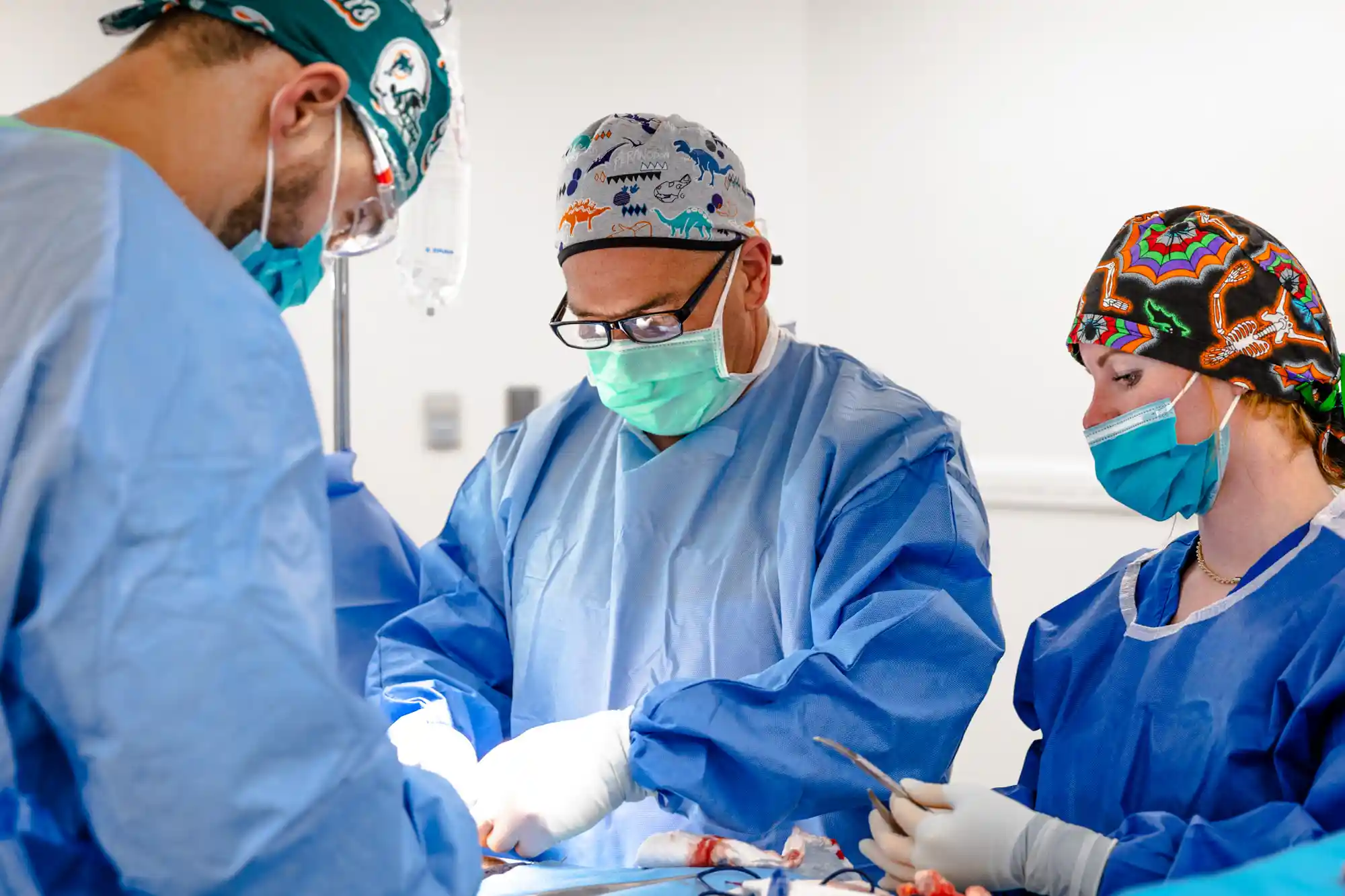
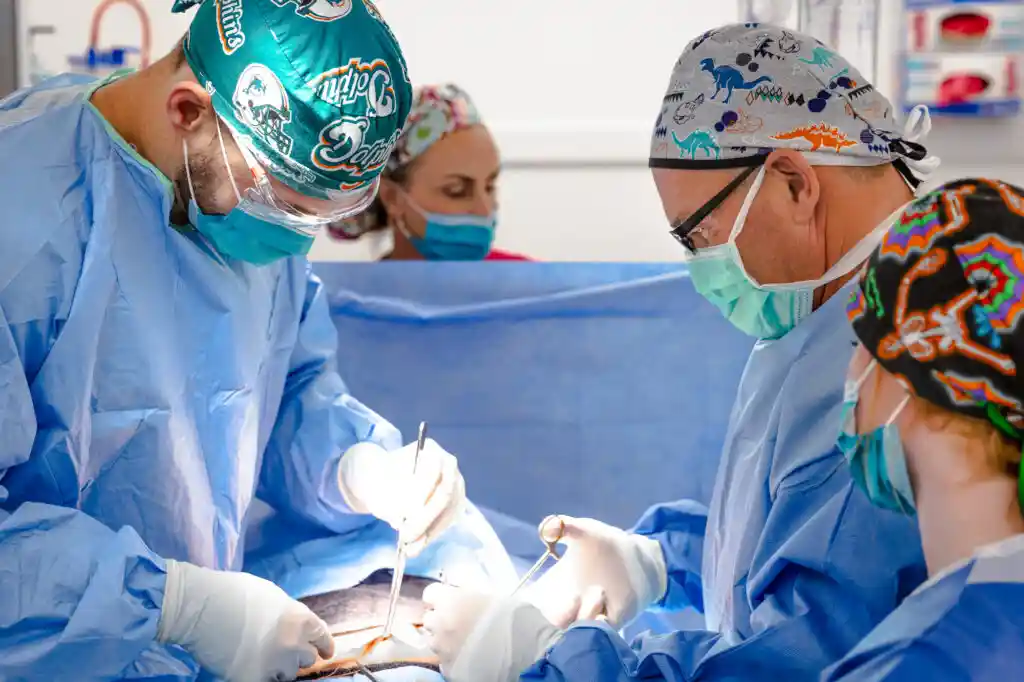
Through a small, discreet incision, your surgeon reduces the cartilage in about an hour under general anesthesia.
04
RECOVERY
You go home the same day with instructions on voice rest, throat care, and scar care.

IS IT RIGHT FOR YOU
Am I A Good Candidate?
Good candidates have a prominent Adam’s apple they want softened, are in good general health, and understand that there is a small, carefully managed risk to the voice. If you use your voice professionally, as a singer or a teacher, say so at your consultation, because it may change how conservatively your surgeon reduces the cartilage. Smoking irritates the throat and slows healing, so we ask patients to stop beforehand.


HEALING
YOUR RECOVERY TIMELINE
This is a short recovery by surgical standards, and the main restriction is your voice rather than your activity.
01
FIRST FEW DAYS
Throat soreness and some hoarseness are normal. Most patients return to light activity within two to four days.
02
ABOUT 1 WEEK
Rest your voice and avoid excessive talking while the throat heals.
03
A FEW WEEKS
Swelling in the neck settles and the new contour becomes clear.
04
SEVERAL MONTHS
The scar fades and continues to soften with scar care.
PLANNING AHEAD
Planning Your Procedure and Time Off
This is an outpatient procedure, you’ll be able to head home the same day. Just plan for someone to drive you. Most patients feel ready for light activity within a few days, so recovery tends to fit comfortably into a busy schedule.
The main thing to plan for is giving your voice some rest. If your work involves a lot of talking, try to set aside about a week so your voice can recover. It also helps to know that whispering can strain your voice as much as speaking, so it’s best to avoid it while you heal. In the first days, soft, cool foods are usually the most comfortable. Keep the incision clean and shaded from direct sun, and once your surgeon clears you, you can begin caring for the scar to help it heal as smoothly as possible.

Things to Consider
A tracheal shave is a relatively straightforward procedure, but because it is performed near the vocal cords, there are a few things to keep in mind. Your surgeon will go over each one with you.
-
- Temporary hoarseness or throat soreness while healing
-
- A subtle change in voice, which is usually temporary
-
- A neck scar, which fades but does not disappear
-
- Rarely, a permanent voice change or the need for a small revision
How Much Can Be Reduced?
As much as can be taken down safely, which is set by your anatomy and by the position of your vocal cords rather than by how much you would like removed. Most patients get a noticeably flatter neckline. Taking too much risks the voice and can weaken the cartilage, so a conservative reduction is the right call even when it means a slightly less dramatic result. Your surgeon will tell you what your neck realistically allows.
What Do I Need Before Surgery?
We ask that you meet with a mental health clinician and provide documentation of a gender dysphoria diagnosis, consistent with established standards of care. Your insurance may want a letter of support as well. We treat this as part of supporting you rather than as a gate, and our team helps you gather what is needed.
Cost & Financing
A tracheal shave is one of the more affordable gender-affirming procedures, and it is sometimes covered as medically necessary care, though coverage varies by plan. Our team can help with documentation and pre-authorization. For any portion not covered, we provide clear pricing after your consultation and financing options are available.

THE CSA DIFFERENCE
Why Choose Cosmetic Surgery Affiliates for Your Procedure?
Offices in Oklahoma City and Jacksonville
This procedure is available at both Cosmetic Surgery Affiliates locations, in Oklahoma City and Jacksonville, Florida. Book your consultation at whichever office is closer to you, and our team will take it from there.
Voice-Conscious Technique
We reduce conservatively and preserve the vocal cord attachment, because a flatter neck is not worth a changed voice.
Scar Placement Planned
We show you where the incision will sit before surgery, since on the neck that placement is most of the outcome.
Standalone or Combined
We perform this on its own or as part of facial feminization, so it fits whatever stage you are at.
Every procedure is performed by a board-certified surgeon in an accredited surgical facility, with your incision placement and the extent of reduction confirmed with you beforehand.
Adam’s Apple Reduction FAQs
Most patients can, though we ask singers to raise it upfront so the reduction is planned even more conservatively. Give your voice several weeks before testing your full range.
General anesthesia is standard, since the area is sensitive and the surgeon needs you completely still while working close to the vocal cords.
Once the incision has closed and your surgeon clears it, usually a couple of weeks. Avoid anything that rubs the healing line before then.
Look for board certification, an accredited facility, and real experience with tracheal shaves specifically, since the margin near the vocal cords is small. Ask how they decide how much to reduce and where they place the incision.
It is thyroid cartilage that shields your larynx and vocal cords. The procedure reduces only the protruding portion and leaves that protective function intact.
No. This procedure changes how your neck looks, not how you sound. Voice feminization is separate work, and we can refer you to specialists who focus on it.
A second procedure is sometimes possible, though the limits are the same the second time. Your surgeon will tell you honestly whether more can safely come down.
No upper limit. Cartilage is stable in adults, so the result holds, and healthy patients at any age do well with this procedure.
READY WHEN YOU ARE
Ready to See What Is Possible?
Ready for a smoother, more feminine neckline? Schedule a consultation to talk it through.