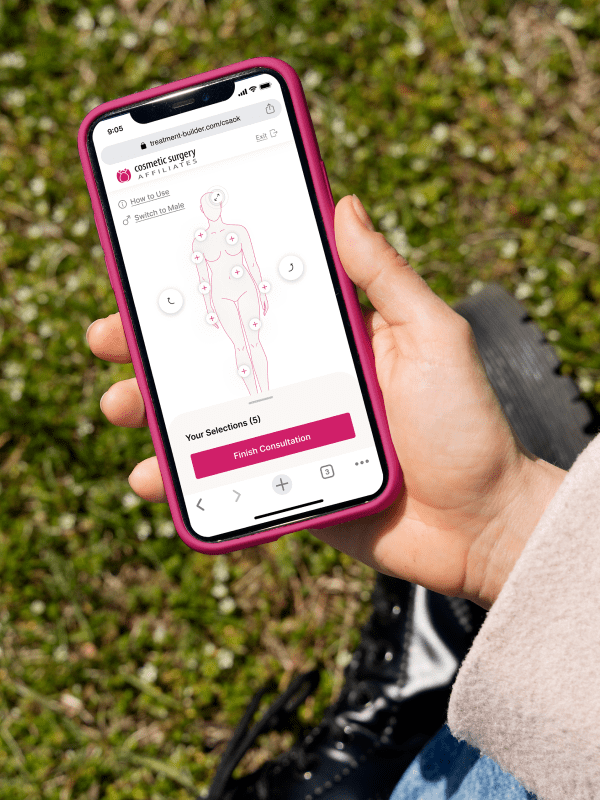
Generally nothing visible. Incisions hide in the natural eyelid creases or on the inner surface of the lower lid, so they are not noticeable once healed.
BLEPHAROPLASTY
Refresh Tired Eyes and See More Clearly
Eyelid surgery removes or repositions the excess skin and fat that make the eyes look tired. When heavy upper lids also block your vision, surgery can restore part of your field of view.
Treatment Highlights
Treatment Time About 1 hour
Anesthesia Local or IV sedation
Social Downtime About 1 to 2 weeks
EYELID SURGERY
Drooping upper lids and puffy under-eye bags can make you look tired or older than you feel. Heavy upper lids can even get in the way of what you are trying to look at.
Your results come down to a few decisions you make with your surgeon: whether your upper lids, lower lids, or both need treatment, whether the real cause is your lids or your brow position, and how much skin and fat to remove. The eye area is unforgiving of over-correction, so the amount matters more here than almost anywhere else.
What Is Eyelid Surgery?
Blepharoplasty refreshes the eyes by removing or repositioning excess skin and fat in the eyelids. It is one of the most effective facial procedures for looking more awake because the eyes are where age tends to show first. It can treat the upper lids, the lower lids, or both in a single surgery.
Eyelid surgery can address:
- Hooded or drooping upper eyelid skin
- Under-eye bags and lower-lid puffiness
- Excess lid skin that blocks your field of vision
- A tired look that rest does not change

Upper, Lower, or Both
Upper and lower eyelid surgery are two different procedures that solve two different problems. Many patients need only one.
Upper Eyelids
Removing the hooded, drooping skin that gathers on the upper lid.
Best For
Eyes that look heavy or tired, and lids that encroach on your vision.
Lower Eyelids
Removing or repositioning the fat that pushes forward to create under-eye bags.
Best For
Puffiness and bags that make you look exhausted regardless of sleep.
Upper and Lower
Both lids addressed together in one procedure.
Best For
A complete refresh of the whole eye area at once.
Treating the upper and lower lids in the same surgery means one anesthesia and one recovery rather than two.
LIDS OR BROW
Eyelid Surgery or a Brow Lift?
- Eyelid Surgery
When the Skin Is on the Lid
If the loose skin sits on the eyelid itself, removing it is the fix and the result is immediate. This is the more common of the two situations, and it is what most patients are picturing when they come in.
- Brow Lift
When the Brow Has Dropped
A sagging brow pushes skin down onto the upper lids, and it can look exactly like excess eyelid skin. If brow position is the real cause, eyelid surgery alone will not solve it. Some patients benefit from both, and an exam is the only way to tell.
Where the Incisions Go
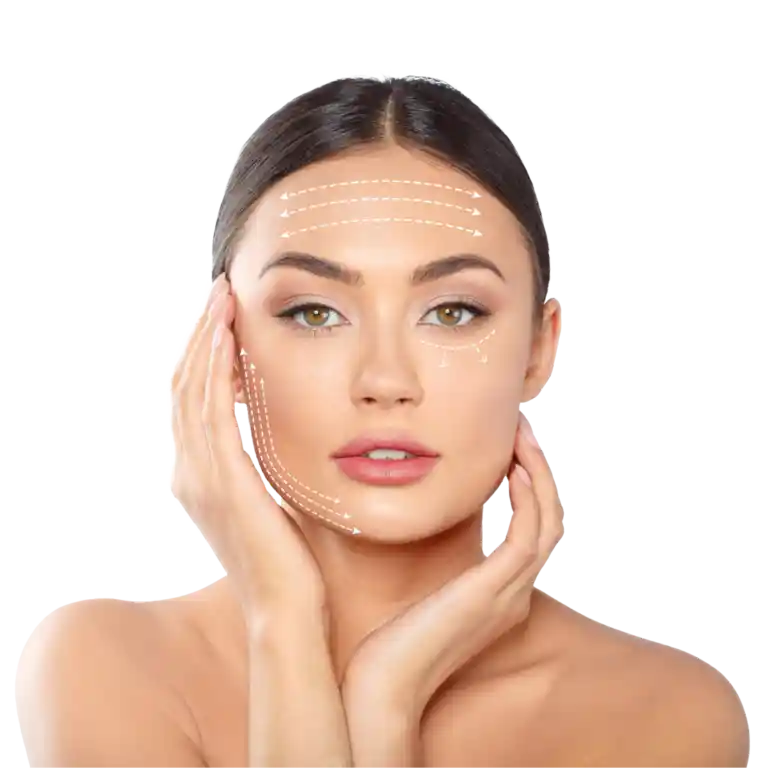
Eyelid incisions are placed in existing folds and creases, which is why blepharoplasty rarely leaves any noticeable scarring behind.
-
The Upper Lid Crease
Following the natural fold of the lid, so the line disappears when your eyes are open.
-
Inside the Lower Lid
A transconjunctival approach places the incision on the inner surface of the lid, leaving no external scar at all.
-
Below the Lash Line
Used when lower-lid skin needs tightening as well as fat repositioning, hidden just under the lashes.
What Eyelid Surgery Does and Does Not Fix
Eyelid surgery refreshes the lids themselves, and it is genuinely excellent at that. It does not erase crow’s feet or forehead lines, which respond better to a brow lift, a facelift, or injectables, and it does not treat dark circles, which usually come from thinning skin rather than excess tissue.
We would rather tell you that at the consultation than have you discover it after surgery. If part of what bothers you needs a different treatment, we will say so and point you to the right one, even when it is not this procedure.
WHAT TO EXPECT
01
CONSULTATION
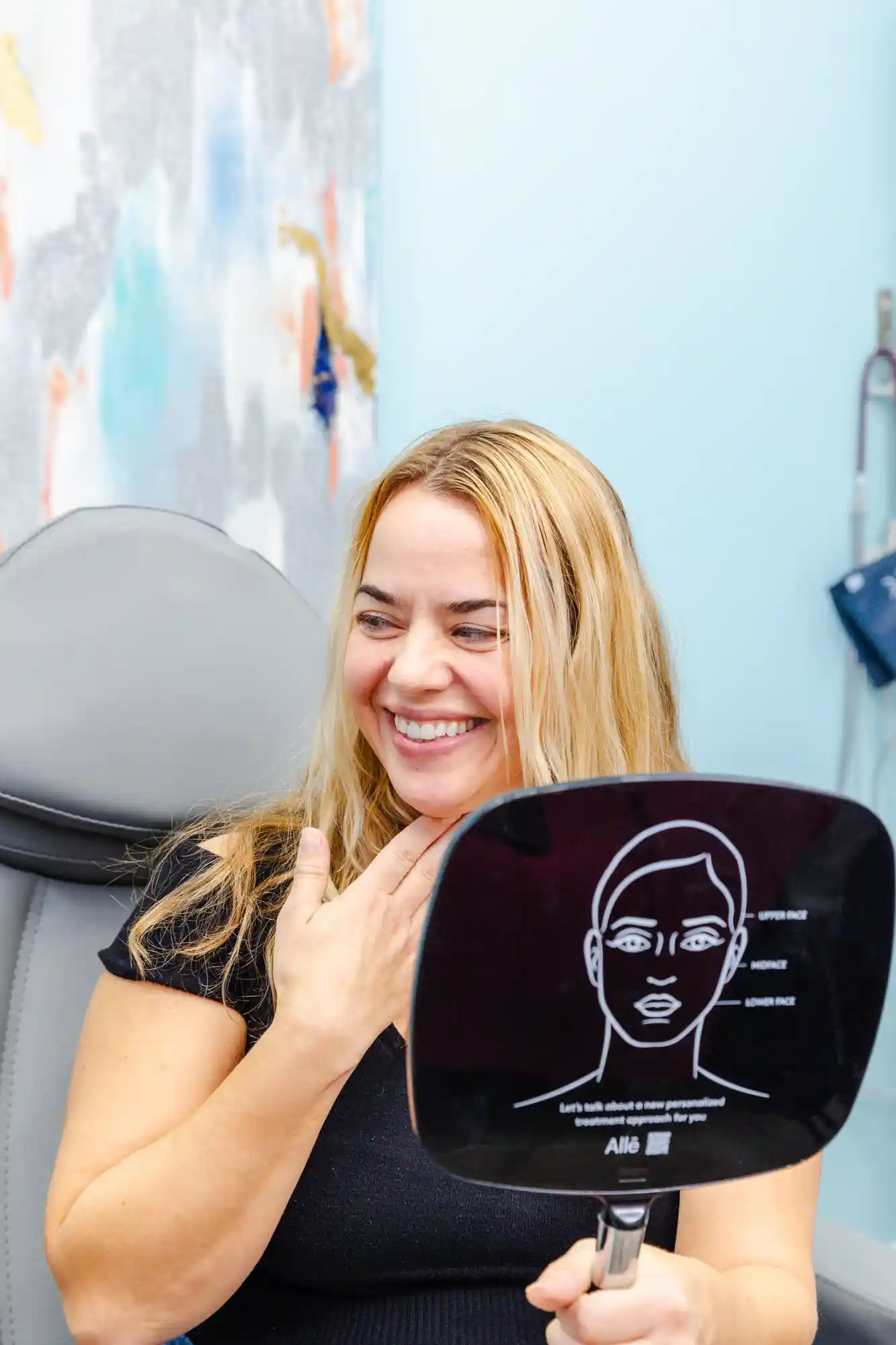
Your surgeon examines your lids and your brow together, discusses your goals, and recommends upper, lower, or both.

02
PREPARATION
You leave glasses and contacts at home, wash as directed, and follow your pre-care instructions.
03
PROCEDURE
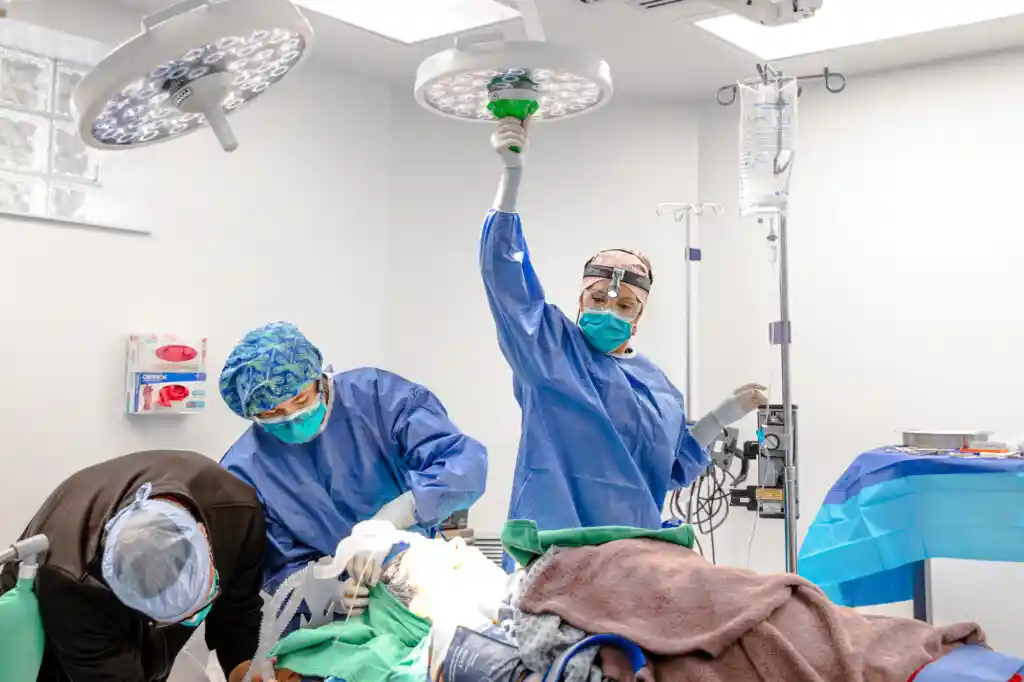
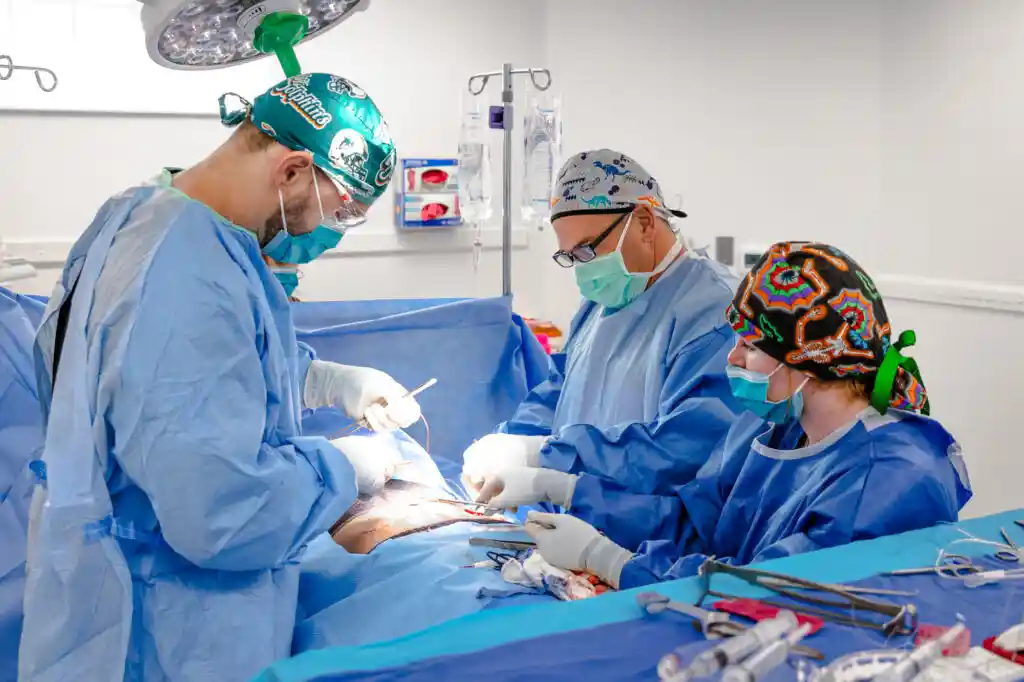
Your surgeon removes or repositions the excess skin and fat through incisions hidden in the lid creases or inside the lid.
04
RECOVERY
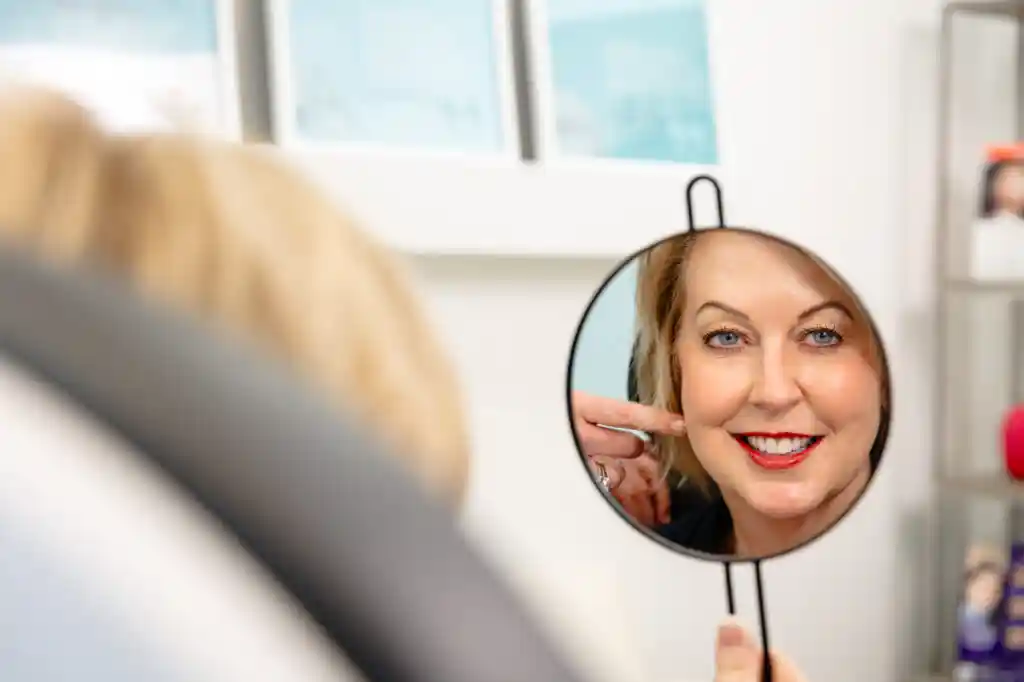
You go home the same day with someone to help, keeping your head elevated and using cold compresses.
IS IT RIGHT FOR YOU
Am I A Good Candidate?
You may be a good candidate if you have hooded upper lids, under-eye bags, or vision blocked by excess lid skin, along with good general health and realistic expectations. Most patients are between their mid forties and their seventies, though some come in earlier for hereditary under-eye bags that have nothing to do with aging. If you have dry eyes or any eye condition, tell us, because it changes the plan. A consultation confirms whether upper, lower, or both is right for you.

HEALING
YOUR RECOVERY TIMELINE
Eyelid recovery is relatively comfortable but visible, since bruising around the eyes is hard to hide. Plan your calendar around that rather than around how you feel.
01
FIRST FEW DAYS
Rest with your head elevated. Bruising and swelling around the eyes are expected.
02
ABOUT 1 WEEK
Stitches are typically removed and the swelling begins to settle noticeably.
03
1 TO 2 WEEKS
Most bruising fades and many patients feel ready to be seen socially.
04
SEVERAL WEEKS
Keep the area protected from sun while it is still pink. The result keeps refining.
PLANNING AHEAD
Planning Your Procedure and Time Off
Eyelid surgery is an outpatient procedure, so you go home the same day and should arrange a ride and someone to help for the first day. Build your calendar around one to two weeks of visible bruising rather than the first few days of rest, since this is the recovery people notice.
Expect your vision to be a little blurry at first from ointment and swelling, so do not plan to drive or read closely right away. Wear sunglasses outdoors, keep the area out of direct sun while it is pink, and hold off on eye makeup and contacts until your surgeon clears you. If you are timing this around an event, tell us at your consultation and we will work backward from that date.

Things to Consider
Eyelid surgery is safe and very common, but the eye area is delicate, so there are a few things to keep in mind. Choosing an experienced surgeon makes a real difference, and yours will go over each one with you.
-
- Temporary dry, watery, or irritated eyes
-
- Brief blurred vision while swelling settles
-
- Mild asymmetry between the two sides, which can be adjusted
-
- Rarely, difficulty closing the eyes fully or a change in lower-lid position
Could Insurance Cover My Upper Eyelid Surgery?
Sometimes, yes. When excess upper-lid skin droops far enough to block your field of vision, upper blepharoplasty may be considered medically necessary rather than cosmetic. That usually requires a visual field test and photographs documenting the obstruction. Our team can help you understand what your plan asks for and gather what you need. If your surgery is purely cosmetic, we offer personalized pricing and financing instead.
How Long Do the Results Last?
Eyelid surgery lasts a long time. Upper-lid results often hold for about ten years or more, and lower-lid results are frequently permanent, since the fat that was removed does not come back. Your eyes still age gradually, so sun protection and good skin care help the result last.
Cost & Financing
The cost of eyelid surgery depends on whether you treat the upper lids, the lower lids, or both, along with anesthesia and facility fees and whether you combine it with another procedure. We provide personalized pricing after your consultation, and financing options are available. If upper-lid skin is blocking your vision, part of the cost may be eligible for insurance coverage, and we can help you look into it.
THE CSA DIFFERENCE
Why Choose Cosmetic Surgery Affiliates for Your Eyelid Surgery?
Offices in Oklahoma City and Jacksonville
This procedure is available at both Cosmetic Surgery Affiliates locations, in Oklahoma City and Jacksonville, Florida. Book your consultation at whichever office is closer to you, and our team will take it from there.
Lids and Brow Assessed Together
We identify which one is actually causing the heaviness, so you are not left with the real problem untreated after surgery.
Conservative by Design
We remove just enough skin and fat to refresh the eyes. Overcorrection here is what creates a hollow or startled look, and it is difficult to reverse.
Straight Answers
If what bothers you is crow’s feet or dark circles, we will tell you that eyelid surgery is not the fix and point you to what is.
Every blepharoplasty is performed by a board-certified surgeon in an accredited surgical facility, with your surgical plan confirmed with you before the day of surgery.
Eyelid Surgery FAQs
Usually not. Dark circles often come from thin skin or pigmentation rather than excess tissue, so eyelid surgery does not address them. We can suggest other options.
Often yes, particularly for upper lids alone. Many patients prefer light sedation for comfort, and your surgeon will recommend what suits your procedure.
No. We remove only what is needed to refresh the area, so your eyes look brighter and rested while still clearly looking like yours.
Look for board certification, an accredited surgical facility, and real volume in eyelid surgery specifically, since the margin for error is small. Ask to see before-and-after photos of patients whose eyes started like yours.
Upper-lid surgery can be, though most patients never need it. Lower-lid revision is approached cautiously, since removing more tissue there risks changing the lid position.
Yes, though you will switch to glasses for a stretch while the lids heal. Contacts irritate healing tissue, so your surgeon will tell you when it is safe to wear them again.
Temporarily. Ointment and swelling make things blurry for the first days, and some patients notice dryness or light sensitivity that settles as healing progresses.
Both wait until your incisions have healed and your surgeon clears you, usually a couple of weeks. Starting too early risks irritation and infection.
READY WHEN YOU ARE
Ready to See What Is Possible?
Ready to refresh your eyes? Schedule a consultation and find out whether upper, lower, or both is right for you.