Fillers are easy and reversible, a fat transfer is natural and long-lasting, and implants are permanent and structured. We help you choose based on your goals and how lasting you want the result.
CHEEK AUGMENTATION
Restore Volume or Define Your Cheekbones
Cheek augmentation adds volume and structure to the midface using fillers, your own fat, or implants. Which one is right depends on your goals and how lasting you want the result to be.
Treatment Highlights
Treatment Time
About 1 hour
Anesthesia
Local, IV sedation, or general
Downtime
None to about 2 weeks
MALAR AUGMENTATION
Whether your cheeks have flattened with age or you simply want more defined cheekbones, cheek augmentation can bring balance and structure back to your face.
Your result comes down to two decisions you make with your surgeon: whether you need volume added or sagging tissue repositioned, and which of the three volume methods fits your goals. Fillers, fat transfer, and implants differ in how invasive they are and how long they last, so the plan follows what you want rather than a default.
What Is Cheek Augmentation?
Cheek augmentation adds volume and definition to the midface. For some patients that means restoring the fullness that fades with age, and for others it means sculpting stronger cheekbones that were never especially prominent. The same procedure serves both goals, and the method your surgeon recommends depends on which one you are after.
A cheek augmentation can address:
- Hollow, flat, or sunken cheeks
- Midface volume lost with age
- Undefined or weak cheekbones
- Facial asymmetry or imbalance
Your Three Volume Options
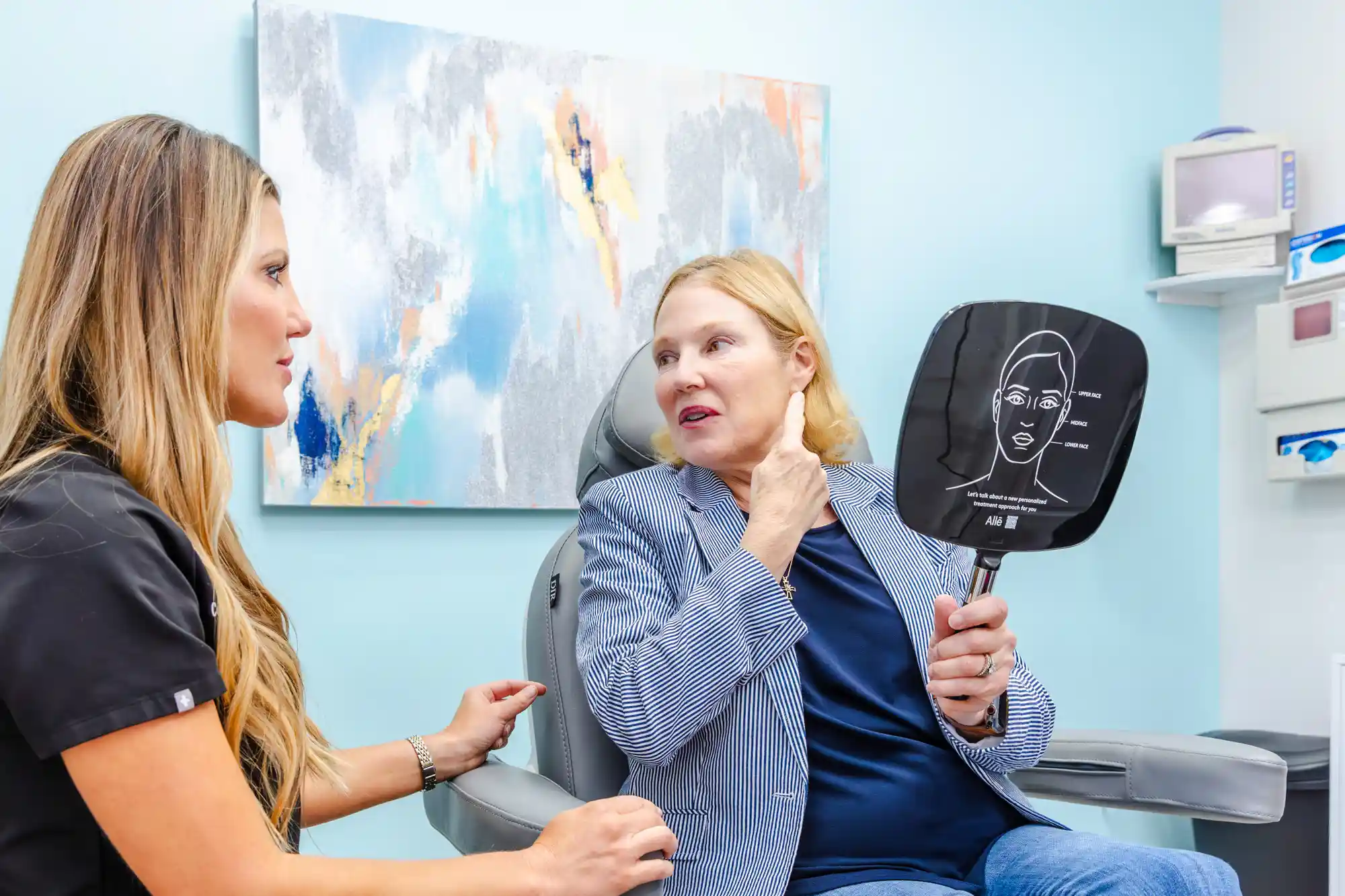
There is no single best way to add cheek volume. The right choice depends on how dramatic and how lasting you want the result, and how invasive you are comfortable with.
Dermal Fillers
Injected in the office with no downtime, and adjustable or reversible if you change your mind.
Best For
Trying out volume or a subtle boost. Lasts months to a year or more.
Fat Transfer
Your own fat is harvested from another area, purified, and injected into the cheeks.
Best For
A soft, natural result that lasts long-term, from a single surgery.
Cheek Implants
Solid implants sized and shaped to your face, placed over the cheekbone.
Best For
Permanent, structured cheekbone definition that will not change.
Many patients start with fillers to preview the amount of volume they like, then move to a fat transfer or implants once they know the look they want.
VOLUME OR POSITION
Cheek Lift or Cheek Augmentation?
-
Augmentation
Adding Volume
The right answer when your cheeks look hollow or flat and the tissue simply has less volume than it used to. Adding volume rebuilds the contour without moving anything.
-
Cheek Lift
Repositioning Tissue
The right answer when midface tissue has drifted downward with age. Lifting puts it back where it belongs. If your cheeks have both deflated and dropped, your surgeon may combine the two.
Will I Look Overfilled?
This is the fear both kinds of cheek patients bring up, and it comes from volume placed in the wrong spot or too much of it at once. Well-done cheek work follows the structure already in your face instead of adding fullness everywhere.
We add volume in specific places and in measured amounts, so your cheeks read as naturally fuller or more defined rather than puffy. If you are unsure how much you want, fillers let you preview the change before committing to anything permanent.
WHAT TO EXPECT
01
CONSULTATION
Your surgeon assesses your midface structure, listens to your goals, and recommends fillers, fat transfer, or implants.

02
PREPARATION
For a surgical option you follow your pre-care instructions and arrive with a clean face. Fillers need almost no preparation.
03
PROCEDURE
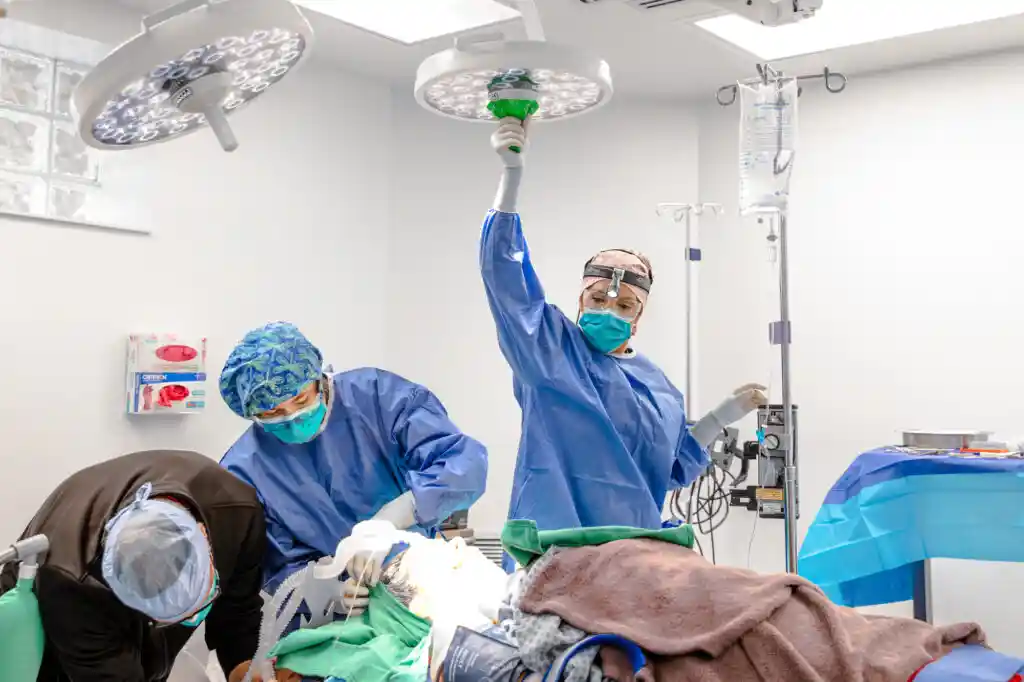
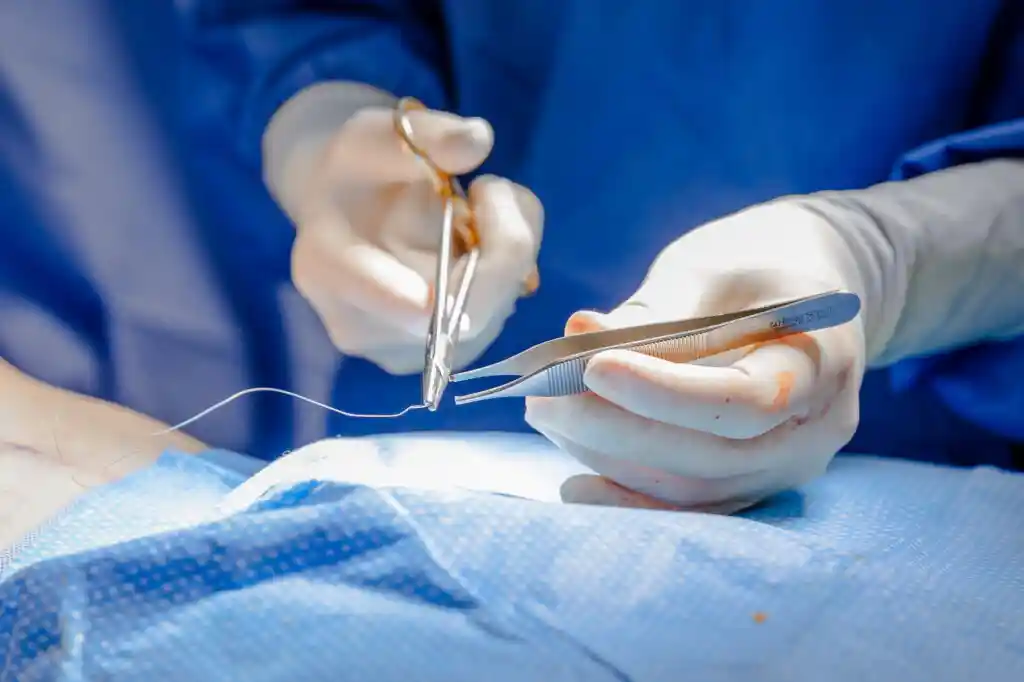
Fillers are injected in the office. A fat transfer harvests and injects your own fat. Implants are placed through a small, hidden incision.
04
RECOVERY
You go home the same day with instructions on activity, sun protection, and what to expect as swelling settles.

IS IT RIGHT FOR YOU
Am I A Good Candidate?
You may be a good candidate if you have lost midface volume, want more cheekbone definition, or want to balance uneven cheeks, and you are in good general health with realistic expectations. Patients come to this procedure from two different directions. Some are in their forties to sixties and want to correct the flattening that makes them look tired, while others are in their twenties to forties and simply want more structure than they were born with. A consultation is the best way to decide which method fits your goals.


HEALING
YOUR RECOVERY TIMELINE
Recovery depends entirely on which option you choose, so the timeline below is organized by method rather than by week.
01
FILLERS
Little to no downtime. Mild swelling or bruising settles within a few days.
02
FAT TRANSFER
Swelling and bruising at the cheeks and the donor area for about a week.
03
IMPLANTS
Swelling and tightness for roughly one to two weeks.
04
SEVERAL WEEKS
For either surgical option, the final shape settles as the last swelling resolves.
PLANNING AHEAD
Planning Your Procedure and Time Off
Fillers can be done over a lunch break, but the surgical options need real planning. Both a fat transfer and implants are outpatient procedures, so you go home the same day, and you should arrange a ride. Build your calendar around one to two weeks of visible swelling rather than the first few days.
If your implants were placed through the mouth, you will be on a soft diet and a prescribed rinse for a stretch while that incision heals. Keep healing skin out of direct sun, sleep with your head elevated early on, and wait for your surgeon to clear you before returning to exercise. If you are planning around an event, tell us at your consultation and we will work backward from that date.

Things to Consider
Cheek augmentation is safe, and each option comes with its own things to keep in mind. Your surgeon will go over the ones that apply to the method you choose.
-
- Swelling, bruising, or temporary asymmetry as things settle
-
- With implants, a small chance of the implant shifting or becoming infected
-
- With a fat transfer, some of the transferred fat is reabsorbed over time
-
- With fillers, rare lumps or irregularities that can be smoothed or dissolved
How Long Do the Results Last?
It depends entirely on your option. Fillers last months to a year or more, a fat transfer lasts long-term once the surviving fat settles in, and implants are permanent. This is often the deciding factor, so your surgeon will talk through the trade-off between longevity and how reversible you want the result to be.
Can I Change My Mind Later?
That depends on what you choose, which is why we bring it up before surgery rather than after. Fillers can be dissolved, and implants can be removed or exchanged in a second procedure. A fat transfer is the hardest to undo, since the fat becomes living tissue in your cheek.
Cost & Financing
The cost of a cheek augmentation depends on whether you choose fillers, a fat transfer, or implants, along with anesthesia and facility fees and whether you combine it with another procedure. Because every plan is different, we provide personalized pricing after your consultation. Financing options are available to help your procedure fit your budget.

THE CSA DIFFERENCE
Why Choose Cosmetic Surgery Affiliates for Your Cheek Augmentation?
Offices in Oklahoma City and Jacksonville
This procedure is available at both Cosmetic Surgery Affiliates locations, in Oklahoma City and Jacksonville, Florida. Book your consultation at whichever office is closer to you, and our team will take it from there.
All Three Options in One Place
We offer fillers, fat transfer, and implants, so the recommendation follows your goals instead of the single method a practice happens to provide.
Structure Before Volume
We look at your underlying facial structure first and place volume where it supports your features, which is what keeps the result from looking puffy.
Both Goals Understood
Restoring age-related volume and building cheekbone definition are different jobs, and we plan them differently rather than treating every cheek the same way.
Every surgical cheek augmentation is performed by a board-certified surgeon in an accredited surgical facility, with your method and implant plan confirmed with you before the day of surgery.
Cheek Augmentation FAQs
Cheek implants are usually placed through an incision inside the mouth, so there is no visible scar on your face. Fillers and fat transfer are injected, so there is nothing to scar.
Often yes. Volume can be added unevenly on purpose to balance cheeks that differ in shape or projection.
They sit against the bone underneath the muscle, so they move with your face rather than shifting when you smile. Most patients stop noticing them entirely once swelling resolves.
Look for board certification, an accredited surgical facility, and experience with all three volume methods rather than just one. Ask to see before-and-after photos of patients whose facial structure resembles yours.
Most visible swelling settles within a week or two, but the midface holds subtle swelling longer. Give the final contour a couple of months before judging it, especially with a fat transfer.
Yes, and it is common. Cheek augmentation pairs well with a facelift, eyelid surgery, or a fat transfer elsewhere in the face, and combining them means one anesthesia and one recovery.
Fillers have little to no downtime. A fat transfer or implants involve about one to two weeks of visible swelling that continues to settle over the following weeks.
Not necessarily. Plenty of patients in their twenties and thirties want more cheekbone definition rather than rejuvenation, and that is a legitimate goal. Your surgeon will tell you honestly if waiting makes more sense.
READY WHEN YOU ARE
Ready to See What Is Possible?
Looking for fuller, more defined cheeks? Schedule a consultation to learn whether cheek augmentation is right for you and which approach best suits your goals.