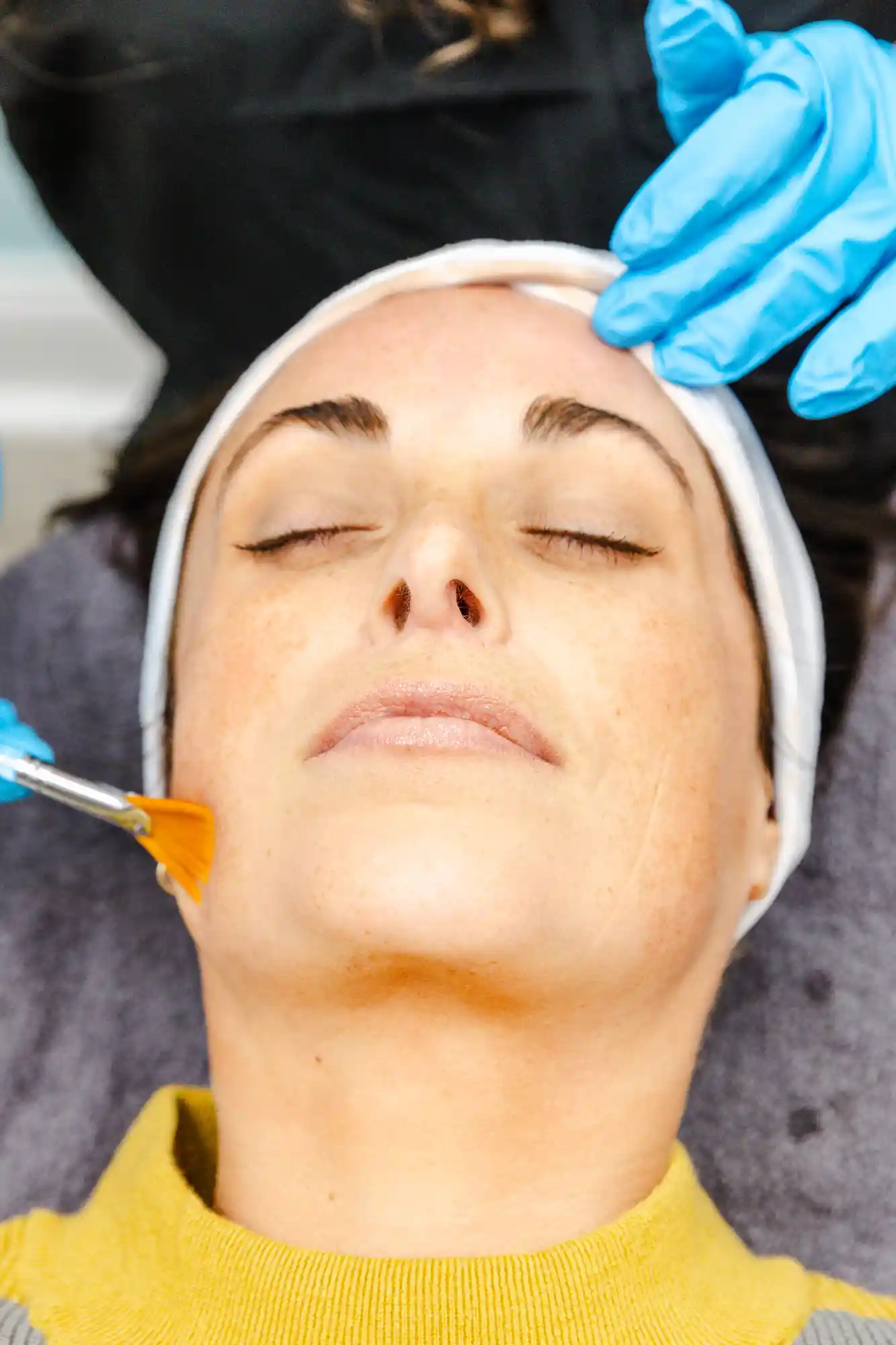
A light peel tingles and feels warm. Deeper peels sting more during application, and your provider can use cool air and comfort measures for those.
CHEMICAL PEELS
Reveal Smoother, Brighter Skin
A peel removes dull, damaged surface layers so newer skin comes through. They come in three depths, and choosing the right one is mostly a question of how much peeling your schedule can absorb.
Treatment Highlights
Treatment Time
45 to 60 minutes
Depths
Light, medium, deep
Downtime
1 day to 2 weeks
CHEMICAL EXFOLIATION
Peels are one of the most effective ways to refresh skin that has stopped responding to products alone, and they scale from a quick glow to genuine resurfacing.
Your plan comes down to one decision above the rest, which is depth. That sets what the peel can correct, how much your skin will visibly shed, and how long you need to stay out of the sun. We match it to your concern and to what your calendar will actually tolerate.
What Is a Chemical Peel?
A peel applies a customized acid solution that creates controlled injury in the outer layers of skin. Those layers shed over the following days, and your skin responds by producing fresh collagen and replacing damaged cells with new ones. The result is smoother texture, more even tone, and a brighter complexion, and the depth of the solution determines how far down that process reaches.
Peels can improve:
- Fine lines and early wrinkles
- Uneven tone, age spots, and sun damage
- Dull, congested skin and rough texture
- Acne and acne scarring
Light, Medium, or Deep?
This is the most important thing to understand before booking. Deeper peels do more, and they need more recovery in exchange.
Light
Dullness, mild texture, and an overall glow. Often called a lunchtime peel.
Downtime
Mild flaking and redness for one to three days.
Medium
Fine lines, uneven tone, sun damage, and mild scarring.
Downtime
Visible peeling for about five to seven days.
Deep
Deeper wrinkles, significant sun damage, and scarring.
Downtime
One to two weeks or more. Done rarely.
Peels are not limited to the face. The neck, chest, and hands are commonly treated and often show sun damage first.
PEEL OR NEEDLE
Chemical Peel or Microneedling?
-
Peels
Best for Tone and Surface
A peel works from the surface down, which makes it the stronger choice for pigmentation, dullness, sun damage, and congestion. It resurfaces evenly across an area rather than treating spots individually.
-
Microneedling
Best for Texture and Scars
Microneedling works by creating channels into the deeper skin, so it reaches indented scarring and laxity that a peel cannot. The two are complementary rather than competing, and many patients alternate them across a treatment plan.
What the Peeling Actually Looks Like
This is the question everyone wants answered honestly, and vague reassurance does nobody any favors. A light peel usually means slight flakiness that moisturizer hides, and you can work through it.
A medium peel is different. Your skin tightens and darkens slightly for a day or two, then sheds in visible sheets for several days, most noticeably around the mouth and nose. It is not painful, but it looks like what it is, so plan around it rather than hoping to power through a week of meetings. Do not pull at peeling skin, however tempting, because that is how you end up with marks that outlast the treatment.
WHAT TO EXPECT
01
CONSULTATION
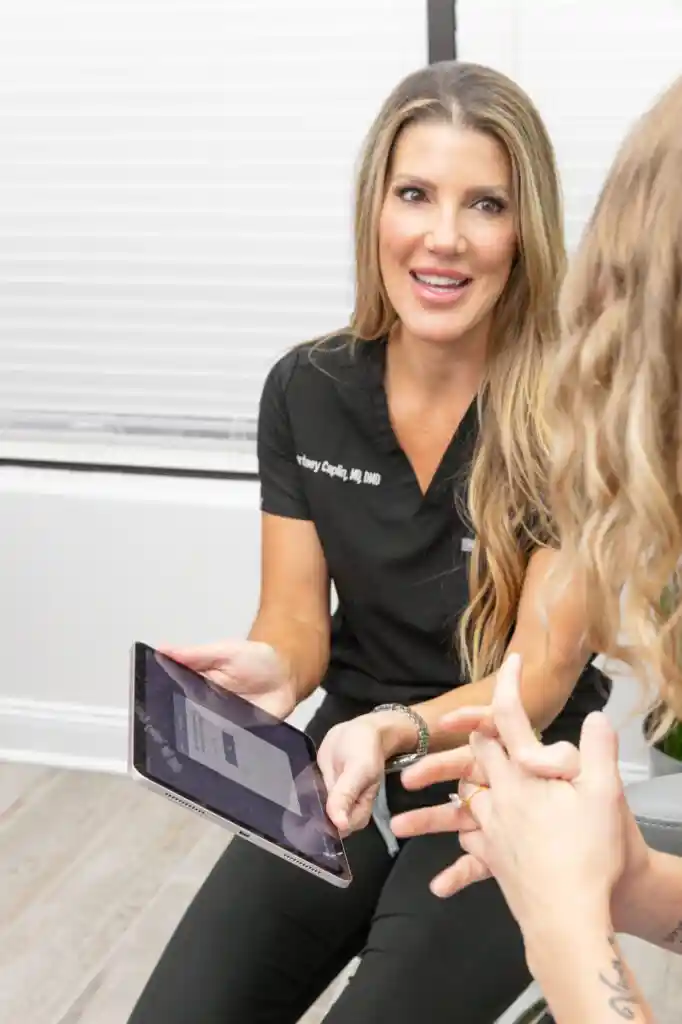
Your provider assesses your skin and your goals, then selects a depth and a product rather than a name off a menu.

02
PREPARATION
You avoid sun and exfoliants beforehand and pause retinoids as directed. We cleanse and prep the skin on the day.
03
TREATMENT
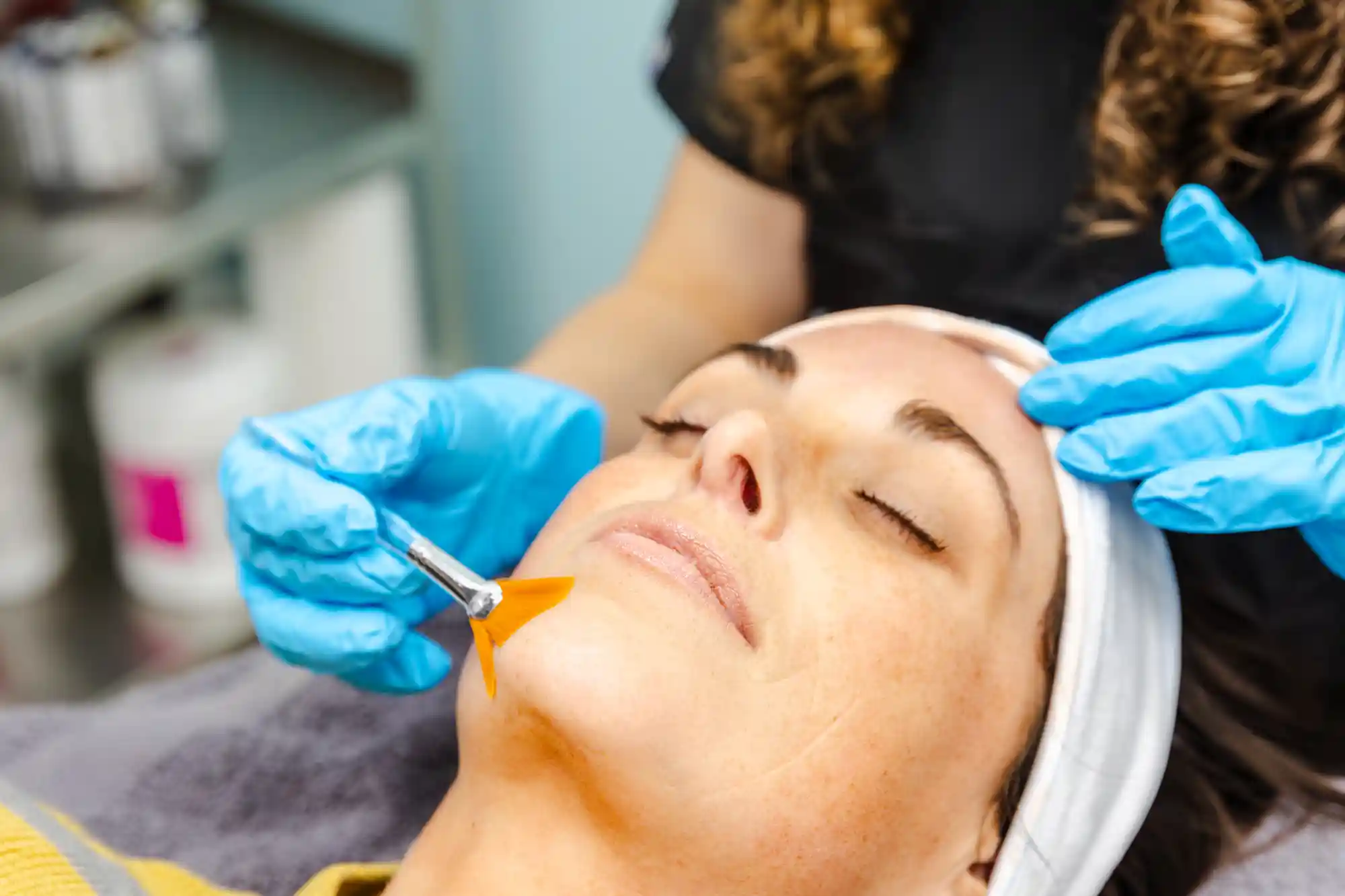
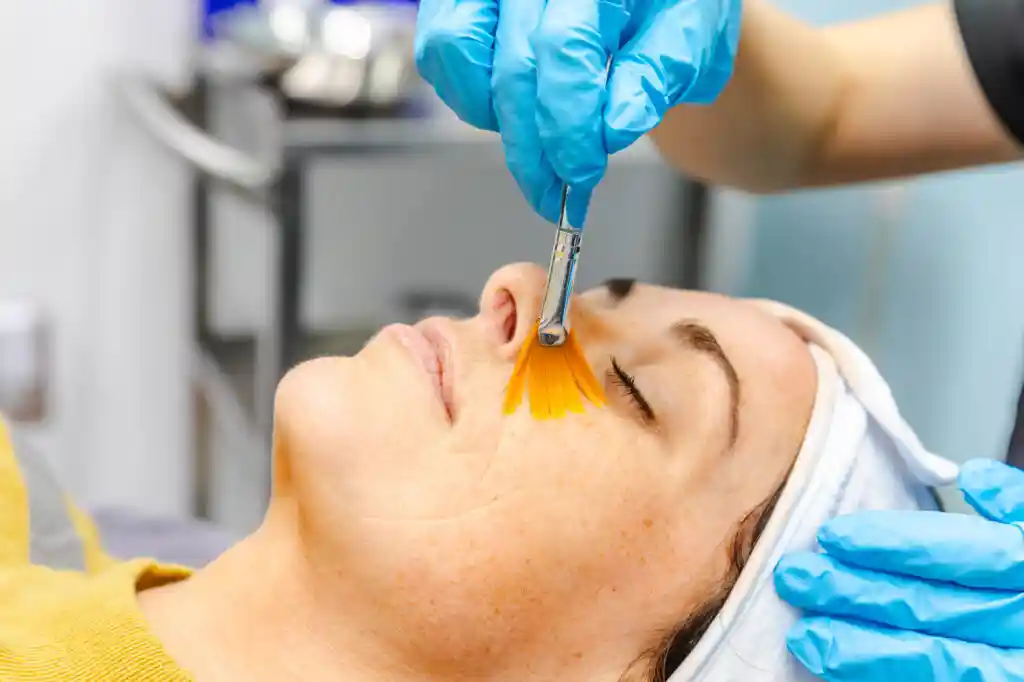
The solution is applied for a set time. You feel tingling or warmth that builds and then eases as it is neutralized.
04
AFTERCARE
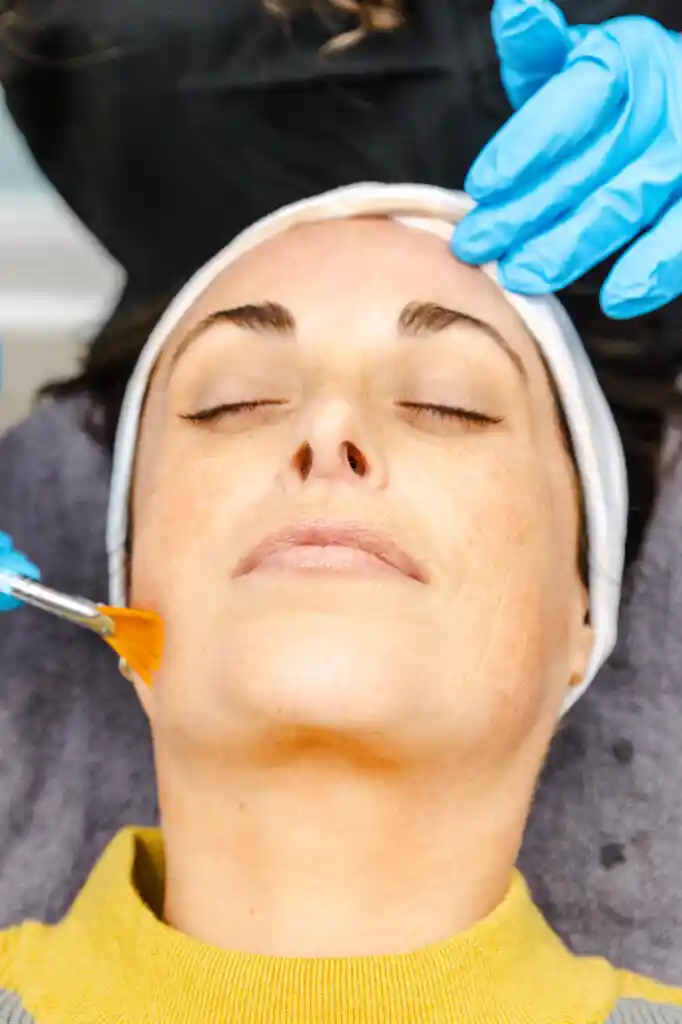
You go home with instructions and products. Your skin sheds over the following days as new skin comes through.
IS IT RIGHT FOR YOU
Am I A Good Candidate?
Most skin types are candidates for something on the peel spectrum, and the depth is what gets adjusted rather than whether you can be treated at all. Light peels suit nearly everyone. Deeper peels need more care in richer skin tones, since they carry a real risk of pigment change, and we will discuss that openly with you. Tell your provider if you use retinoids, get cold sores, are pregnant, or have taken isotretinoin recently, because each changes the plan.


YOUR PROGRESS
YOUR RECOVERY TIMELINE
Healing is predictable once you are familiar with it. This is a medium peel, with light peels compressing it and deep peels stretching it out.
01
DAY OF
Skin looks flushed and feels tight, similar to a mild sunburn. Makeup goes on the next day for light peels only.
02
DAYS 2 TO 3
The surface darkens slightly and begins to crack and lift, starting around the mouth and nose.
03
DAYS 4 TO 7
Active peeling. Keep the skin moisturized and let it come away on its own.
04
AFTER 1 WEEK
New skin is smooth and bright. Pinkness settles over the following days.
PLANNING AHEAD
Planning Your Treatment
Book by your calendar as much as by your concern. A light peel needs no planning at all, while a medium peel needs a stretch where looking visibly flaky for several days is acceptable.
For an event, schedule at least two weeks ahead so the shedding is finished and any pinkness has settled. Sun protection is not optional afterward, since new skin burns easily and can pigment unevenly, so daily sunscreen and shade protect the result. Skip waxing, retinoids, and scrubs around your appointment, and let your provider know if you get cold sores so an antiviral can be prescribed.

Things to Consider
Peels are safe when the depth matches your skin, and most of what you notice is expected shedding rather than a complication. Here are a few things to keep in mind.
-
- Redness, tightness, and visible peeling, which are expected rather than side effects
-
- Pigment changes, either darker or lighter, which is the main risk with deeper peels in richer skin tones
-
- Cold sore reactivation, which prophylactic medication prevents
-
- Rarely, redness that lingers longer than expected, usually from picking at the skin or sun exposure during healing
How Often Should I Have One?
It depends entirely on depth. Light peels work best in a series, often every few weeks to a few months, since they build on each other rather than delivering a lot of change all at once. Medium peels are usually done a few times a year at most. Deep peels are once-in-a-while treatments, sometimes once a year or less. Your provider will map out a schedule rather than rebooking you by habit.
Is It Safe for Darker Skin Tones?
Light peels generally are, and they are used routinely across all skin tones. Deeper peels require real caution, because richer skin can respond to inflammation by producing extra pigment, leaving darkened patches that take months to fade. That risk is managed with gentler depths, priming the skin beforehand, and careful aftercare, and sometimes the honest answer is that another treatment suits you better.
Cost & Financing
Pricing depends on the peel and its depth, and light peels are among the most accessible treatments we offer. Because lighter peels work best in a series, a membership or package is usually the more economical route than booking one at a time. We share clear pricing at your visit.

THE CSA DIFFERENCE
Why Choose Cosmetic Surgery Affiliates for Your Peel?
Offices in Oklahoma City and Jacksonville
This treatment is available at both Cosmetic Surgery Affiliates locations, in Oklahoma City and Jacksonville, Florida. Book your consultation at whichever office is closer to you, and our team will take it from there.
Depth Chosen for You
We select the peel from your skin and your schedule rather than selling whichever one you booked online.
Honest About Shedding
We tell you what a medium peel looks like on day four before you commit, because surprise is the main source of regret here.
Stronger Options in House
When a concern needs microneedling or laser resurfacing instead, those are available here, so the advice is not limited to peels.
Every peel is performed by a trained provider with medical oversight, with your depth and product confirmed with you before anything is applied.
Chemical Peel FAQs
Pulling skin that is not ready to release can leave marks or lighter patches that last far longer than the peel itself. Let it lift on its own.
Some superficial peels are considered appropriate, and stronger acids are avoided. Tell us and your provider will choose accordingly.
Yes, and those areas often need it, since they show sun damage early and are easy to neglect. Hands are commonly treated too.
Look for medical oversight, experience with your skin tone specifically, and a provider who asks about your schedule before recommending a depth. Being sold the strongest peel on a first visit is a warning sign.
After a light peel, usually the next day. With a medium peel, wait until the shedding has finished, since makeup on lifting skin looks worse and risks irritation.
A medium or deep peel makes a visible difference on its own. Light peels are designed to work in a series, so a single one gives you a glow rather than a change.
A day or two after a light peel, and roughly a week to ten days after a medium one. Deep peels can stay pink for weeks.
That is normal and not a failure. The amount of visible shedding varies by person and does not predict how well the peel worked.
READY WHEN YOU ARE
Ready to See What Is Possible?
Ready to reveal smoother, brighter skin? Schedule a visit and we will match you to the right peel.