Yes. A neck lift addresses the loose skin under the jaw that weight loss often leaves behind, and it is a common addition once the body areas are done.
EXCESS SKIN REMOVAL
The Final Step in Your Weight-Loss Journey
Excess skin removal is a group of procedures rather than one operation. Which areas you treat, and in what order, is the plan we build with you.
Treatment Highlights
Anesthesia
General
Areas Treated
One or several
Back to Exercise
About 6 weeks
POST-WEIGHT-LOSS BODY CONTOURING
Losing a large amount of weight is a real achievement, and it often leaves behind loose skin that no amount of diet or exercise will fix.
Your plan comes down to three things you work out with your surgeon: which areas bother you enough to treat, whether to do them in one operation or stage them over time, and whether any part of your case might qualify as medically necessary. Timing matters as much as technique here.
What Is Excess Skin Removal?
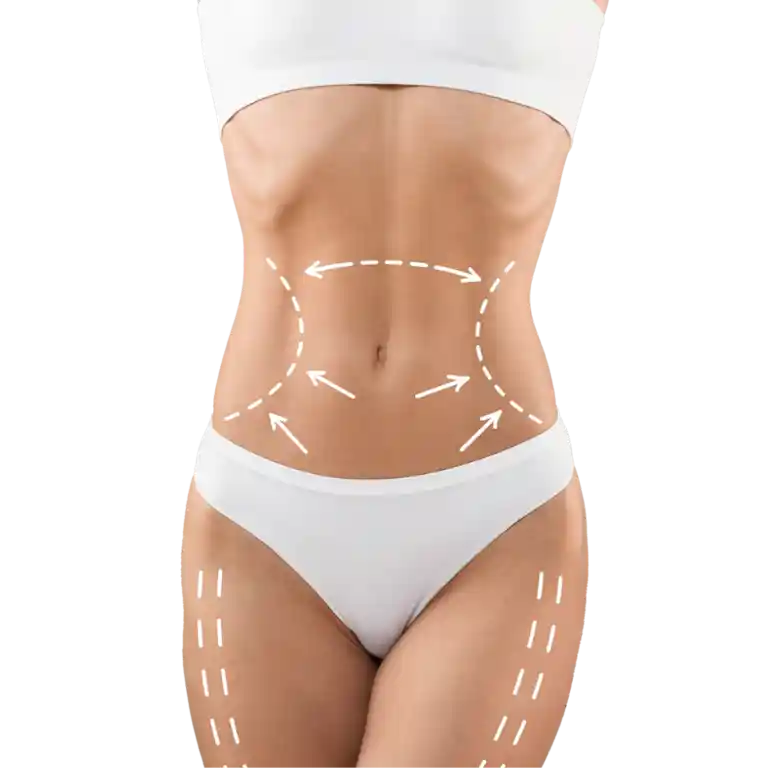
Excess skin removal covers the skin-tightening surgeries that target areas where loose skin gathers after weight loss. Depending on your goals, your surgeon may treat one area or several, often adding liposuction to refine the shape. Because it is a category rather than a single procedure, the length, the recovery, and the cost all scale with how much you decide to address.
A plan can address loose skin on the:
- Abdomen and waist
- Breasts or chest
- Arms
- Buttocks and lower body
- Thighs

Which Procedure Treats Which Area
Each area has its own procedure, and most patients combine two or three. Here is how they line up.
Abdomen
A tummy tuck, or a panniculectomy when the concern is the lower skin apron.
Removes
Loose belly skin and the overhanging apron.
Arms
An arm lift, also called a brachioplasty.
Removes
Sagging skin on the underside of the upper arm.
Thighs
A thigh lift, inner or outer depending on where the skin sits.
Removes
Loose inner or outer thigh skin and chafing.
Breasts or Chest
A breast lift, or gynecomastia surgery for male patients.
Removes
Sagging breast or chest skin and tissue.
A body lift addresses the waist, hips, and buttocks together, and it is the usual choice when looseness runs all the way around.
ONE SURGERY OR SEVERAL
Should I Stage My Procedures?
-
All at Once
One Longer Operation
Some patients do everything they need in a single surgery, which means one anesthesia and one recovery. It suits patients in strong health with a moderate amount of work to do, and it gets the whole thing behind you.
-
Staged
Two or Three Sessions
Others do better treating one or two areas at a time with recovery in between. Longer operations carry more risk than shorter ones, so staging is often the safer route after a very large weight loss. Most patients start with the abdomen and work outward from there.
What About the Scars?
Removing loose skin means incisions, and on a multi-area plan that means several. This is the central trade-off of post-weight-loss surgery.
-
Placed to Hide
Incisions follow natural creases and clothing lines wherever the anatomy allows it.
-
Longer Than Most
The amount of skin removed sets the length, and post-weight-loss patients generally need the longer versions.
-
Fades With Care
Scars flatten and lighten over the following year, and we provide creams and specific guidance to help.
Could Insurance Cover My Skin Removal?
Sometimes, and this is worth investigating before you assume otherwise. When loose skin causes medical problems such as recurring rashes, skin infections, or open sores, removing it may be partly covered.
Removal of the lower abdominal skin apron, called a panniculectomy, is the procedure most likely to qualify, since it is the one that most often causes documented symptoms. Coverage depends on your plan and on having those symptoms on record, which is why it helps to have seen a doctor about the rashes rather than treating them yourself. Our team can help you understand what your plan asks for and gather it.

WHAT TO EXPECT
01
CONSULTATION
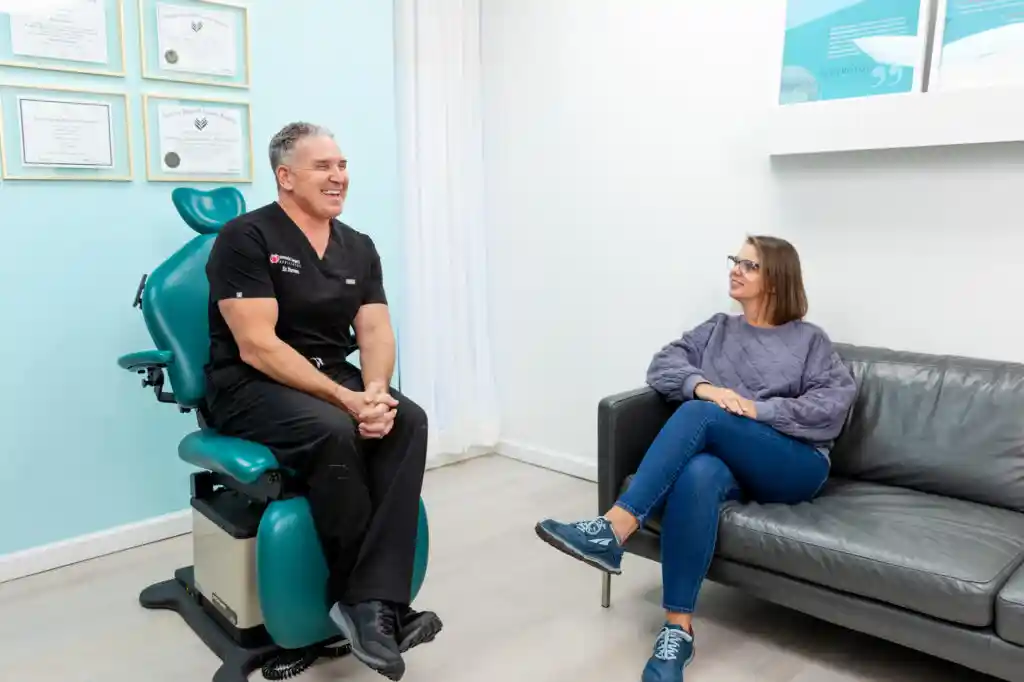
We review your goals, examine each area, and build a plan, including whether to stage your surgeries and in what order.
02
PREPARATION
We check that your weight and nutrition are ready, explain the process, and provide written pre-care instructions.

03
SURGERY
At our accredited facility, your surgeon removes loose skin from the planned areas, often with liposuction to refine the contour.

04
RECOVERY
Many patients stay overnight, then go home with compression garments and a written recovery plan.

IS IT RIGHT FOR YOU
Am I A Good Candidate?
You may be a strong candidate if you have loose skin after weight loss, you are at or near a stable goal weight, and you are a non-smoker in good general health. We want your weight steady for several months before surgery, so you are not paying for a result that further weight loss will undo. If you had bariatric surgery, nutrition matters a great deal for healing, and we will make sure your protein and vitamin levels support it before we operate.

HEALING
YOUR RECOVERY TIMELINE
Recovery scales with how many areas you treat, so a single-area plan and a full lower body lift look very different. Here is a general guide.
01
FIRST NIGHT
Many patients stay overnight so we can support the earliest part of recovery directly.
02
FIRST DAYS
Rest at home with help. Soreness and swelling are expected across every treated area.
03
FIRST FEW WEEKS
Wear your compression garments, use your healing creams, and ease back into activity as directed.
04
6 WEEKS
Exercise and strenuous activity resume once cleared. More areas means a longer road.
PLANNING AHEAD
Planning Your Procedure and Time Off
Plan your time off around the number of areas rather than a single figure, since a one-area procedure and a three-area procedure are not comparable. Arrange a ride, real help at home for the first week, and someone who can manage cooking and household work while you are limited.
Set up your home before surgery with a recliner or wedge pillows, loose clothing, and anything you use daily within easy reach. Wear your garments for the full period you are given, keep every incision clean and dry, and walk gently and often to protect against clots. Call us about anything that looks wrong rather than waiting for your next appointment.

Things to Consider
Skin removal is common and safe, but it asks a great deal of your healing, and patients who have lost significant weight heal more slowly than average. Following your post-op plan closely makes a real difference, and your surgeon will go over each of these with you.
-
- Slower wound healing, which is more common after major weight loss
-
- Long, visible scarring that fades but does not disappear
-
- Fluid collecting under the skin, called a seroma, which may need draining
-
- Changes in sensation across the treated areas
When Is the Right Time to Start?
Once your weight has been stable for roughly six to twelve months and you are confident you can maintain it. Operating while you are still losing means tightening skin that will loosen again, and operating too soon after bariatric surgery means healing on compromised nutrition. Waiting is frustrating, but it is the difference between one surgery and two.
What if I Lose More Weight Afterward?
A modest amount is fine and your result will hold. A large additional loss can leave you with new looseness, particularly on the abdomen and thighs, and some patients do choose a revision later. This is exactly why we ask about your goal weight and your plans before we schedule anything.
Cost & Financing
The cost depends on how many areas you treat and whether you stage your surgeries, along with anesthesia and facility fees. We provide personalized pricing after your consultation, and financing options are available. If your loose skin causes documented medical symptoms, part of the cost may be eligible for insurance coverage, and we can help you look into it.

THE CSA DIFFERENCE
Why Choose Cosmetic Surgery Affiliates for Your Skin Removal?
Offices in Oklahoma City and Jacksonville
This procedure is available at both Cosmetic Surgery Affiliates locations, in Oklahoma City and Jacksonville, Florida. Book your consultation at whichever office is closer to you, and our team will take it from there.
A Plan, Not a Procedure
We map which areas to treat and in what order, because sequencing affects both your safety and your final result.
Post-Weight-Loss Experience
Patients who have lost significant weight heal differently, and we plan around that rather than treating you like a routine cosmetic case.
Help With Your Insurance
When part of your case may qualify as medically necessary, we help you assemble what your plan requires instead of leaving you to it.
Every skin removal procedure is performed by a board-certified surgeon in an accredited surgical facility, with your treatment areas and staging plan confirmed with you before the day of surgery.
Excess Skin Removal FAQs
Usually about three months, long enough for the first area to heal properly and for your energy and nutrition to recover before the next operation.
Usually, on the larger procedures. They are small, they reduce fluid buildup, and they typically come out within the first week or two.
Some, but this is not a weight-loss procedure. Removed skin and fat can weigh several pounds, though the change you notice is in your shape rather than on the scale.
Look for board certification, an accredited surgical facility, and specific experience with post-weight-loss patients, since the healing profile differs. Ask how they sequence multiple areas and how they handle wound complications.
A panniculectomy removes the hanging apron of skin and nothing else. A tummy tuck also tightens the abdominal muscles and reshapes the waist, which is why it is considered cosmetic.
Yes. We offer medical weight loss and can help you reach a stable weight first, then plan your skin removal around it.
Very often, and it is one of the main reasons patients come in. Removing the fold removes the warm, damp space where irritation and infection keep recurring.
Sometimes, depending on your health and which area is involved. Higher BMI raises the wound-healing risk, so your surgeon will tell you honestly whether waiting would serve you better.
READY WHEN YOU ARE
Ready to See What Is Possible?
Ready to finish your transformation? Schedule a consultation and build a skin-removal plan around your body and goals.