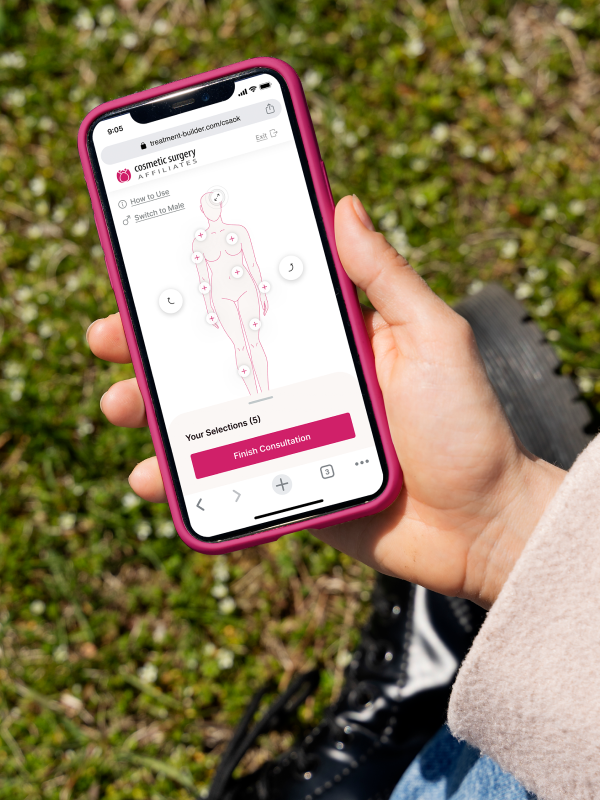
For most patients the brow and forehead, followed by the jaw and chin. These are the features people read first, often without realizing it, and they are usually a better use of budget than the nose alone.
FACIAL FEMINIZATION SURGERY
Soften Your Features, See Yourself Clearly
Facial feminization reshapes the structure of the face rather than just the surface. It is a customized set of procedures, usually performed together, chosen for your features and your goals.

Treatment Highlights
Treatment Time
Varies by plan
Anesthesia
General
Major Swelling
2 to 3 weeks
FFS
For many transfeminine people the face matters most, because it is what determines how you are read before you say a word.
Your plan comes down to which features are doing the most work against you, and that is rarely the ones patients expect. The brow and the jaw usually matter more than the nose. Your surgeon assesses your facial structure and recommends a combination rather than working from a standard list.
What Is Facial Feminization Surgery?
Masculine and feminine faces differ most in their underlying structure, particularly the brow, the jaw, and the chin. FFS reshapes that structure by contouring facial bone, refining cartilage, and adjusting soft tissue. It is not a single operation, and it is not a facelift or a set of injectables. It is skeletal and structural work, which is why the results are permanent and why the surgeon matters so much.
FFS can address:
- A prominent brow ridge and heavy forehead
- A high or receding hairline
- A wide or square jaw and a tall chin
- Nasal size and proportions
- A prominent Adam's apple

The Procedure Menu
FFS is organized by area of the face, and most plans draw from more than one. Your combination is built from what your features actually need.
Upper Third
The forehead, brow bone, hairline, and brow position.
Includes
Brow-bone reduction, hairline advancement, brow lift.
Middle Third
The nose and the cheeks.
Includes
Rhinoplasty, cheek augmentation with fat or implants.
Lower Third
The lips, jaw, and chin.
Includes
Lip lift, jaw contouring, chin reduction.
Neck
The thyroid cartilage at the front of the throat.
Includes
Tracheal shave, or Adam’s apple reduction.
Forehead and brow-bone reduction is the procedure that changes how a face is read more than any other, which is why it anchors most plans.
WHAT FFS CHANGES
Bone, Cartilage, and Soft Tissue
-
Structure
The Skeleton Does the Work
The features that most strongly read as masculine are bone, particularly the brow ridge, the jaw angle, and the chin. Reducing and reshaping that bone is what changes how a face is perceived, and it is why FFS produces a different kind of result than fillers or a facelift ever could.
-
Refinement
Cartilage and Soft Tissue
Cartilage work reshapes the nose and reduces the Adam’s apple, while soft-tissue procedures such as a lip lift or cheek augmentation refine proportion. These are what soften the face on top of the structural change, and most plans combine both kinds of work.
Preserving Who You Are
Feminizing a face does not mean erasing what makes it yours. This is the concern patients raise most often, and it is a legitimate one, because FFS done poorly can leave people looking generic rather than like themselves.
We soften the features that read as masculine while deliberately preserving the characteristics of your ethnic and family background. Feminine facial structure differs across ethnicities, and planning to a single template is how surgeons produce results that look wrong. The goal is a feminine version of your own face, and your relatives should still see the resemblance.

WHAT TO EXPECT
01
CONSULTATION
We assess your facial structure, discuss what bothers you, and design a plan, then outline recovery and cost.

02
PLANNING
We help with any letters, documentation, and insurance pre-authorization, including appeals where they are needed.

03
SURGERY
Your chosen procedures are performed together under general anesthesia in an accredited surgical facility.

04
RECOVERY
You heal over the following weeks with a procedure-specific plan and scheduled follow-up visits.

IS IT RIGHT FOR YOU
Am I A Good Candidate?
FFS is for adults in good general health, and beyond that the requirements depend on the procedures and your insurance rather than a single rule. Most patients have been on hormone therapy for a period, which softens skin and redistributes some facial fat, though it does nothing to bone. Smoking meaningfully affects healing in facial surgery, so we ask patients to stop beforehand. Coming in with a clear sense of what bothers you is more useful than knowing procedure names.


HEALING
YOUR RECOVERY TIMELINE
This is major surgery and the recovery reflects that. Swelling is the main event, and bone procedures swell considerably more than soft-tissue ones.
01
FIRST WEEK
Significant swelling and bruising. Rest with your head elevated and follow your diet restrictions.
02
2 TO 3 WEEKS
The worst swelling subsides, though your face still looks changed rather than finished.
03
2 TO 4 WEEKS
Most patients return to work and social activity, depending on which procedures they had.
04
SEVERAL MONTHS
Residual swelling resolves and your final facial contours emerge.
PLANNING AHEAD
Planning Your Procedure and Time Off
Plan on two to four weeks away from work and social plans rather than a long weekend. Arrange a ride, help at home for the first week, and someone who can manage meals, since jaw and chin work usually means a soft or liquid diet at first.
If your plan includes work through the mouth, you will be on a prescribed rinse and soft foods for a stretch, and that is the part patients most underestimate. Sleep with your head elevated, keep incisions out of direct sun, and be patient with your reflection, because judging your face at three weeks means judging swelling. If you are traveling to us, tell us so we can plan your follow-ups around it.
Things to Consider
FFS is safe in experienced hands, but it is extensive surgery, and each procedure comes with its own things to keep in mind. These are common across facial work, and your surgeon will go over the specifics for your plan.
-
- Prolonged swelling and bruising, particularly after bone procedures
-
- Temporary numbness in the forehead, lips, or chin
-
- Asymmetry, or a result that warrants a small refinement later
-
- Scarring at the hairline, which fades but does not disappear
Will Insurance Cover FFS?
A growing number of plans cover facial feminization as medically necessary gender-affirming care, though approvals are contested more often here than for chest surgery. Denials are common on first submission and frequently overturned on appeal, so a denial is not the end of the conversation. Our team helps with documentation, letters of support, and the appeal itself. For anything not covered, financing is available.
Should I Do It All in One Surgery?
Most patients combine several procedures, and there are good reasons to. One anesthesia, one recovery, and a result that looks harmonious because the features were feminized together rather than in stages. That said, an extremely extensive plan is sometimes safer split into two surgeries, since total operating time drives risk. Budget also plays a role, and staging is a legitimate way to manage it.
Cost & Financing
FFS is a significant investment, and because plans usually include several procedures, the range is wide. The cost depends on which procedures you include, how long the surgery takes, and the anesthesia and facility fees involved. We provide clear, personalized pricing after your consultation, and financing options are available for any portion not covered by insurance.

THE CSA DIFFERENCE
Why Choose Cosmetic Surgery Affiliates for Your FFS?
Offices in Oklahoma City and Jacksonville
This procedure is available at both Cosmetic Surgery Affiliates locations, in Oklahoma City and Jacksonville, Florida. Book your consultation at whichever office is closer to you, and our team will take it from there.
Structural Work, Not Surface Work
We contour bone where bone is the issue, rather than treating a structural problem with fillers and calling it feminization.
Planned Around Your Face
We identify which features are actually doing the work and build the plan from that, so your budget goes toward what changes how you are read.
Your Identity Preserved
We feminize while protecting the ethnic and family characteristics that make your face yours.
Every procedure is performed by a board-certified surgeon in an accredited surgical facility, with your surgical plan confirmed with you before the day of surgery.
Facial Feminization FAQs
Your voice should not change, since the procedure reduces cartilage in front of the vocal cords rather than altering them. Temporary soreness and a scratchy throat are normal.
Yes, and small refinements are a normal part of this work. We would rather adjust a result than leave you living with something that is close but not right.
No. Voice feminization is a separate specialty, and we will refer you to surgeons who focus on it rather than take it on ourselves.
This is the one to research hardest. Look for board certification, an accredited facility, and high volume in facial feminization specifically rather than general facial surgery. Ask to see many before-and-afters at six months or later, including patients of your own ethnic background.
Estrogen softens skin and redistributes some facial fat, which helps, but it has no effect on bone. If your concerns are structural, no amount of time on hormones will change them.
Most patients feel presentable at three to four weeks, though the face keeps refining for months. Photos at six months tell you far more than photos at six weeks.
No upper limit. Facial bone is stable in adults, so the results hold, and healthy patients in their fifties and beyond have FFS with good outcomes.
Staging is common and completely reasonable. We will tell you which procedures give you the most change for the money so a first stage still makes a real difference.
READY WHEN YOU ARE
Ready to See What Is Possible?
Ready to look how you feel? Schedule a consultation to find out whether facial feminization surgery is right for you, and which procedures best fit your goals.