For most patients the jaw and chin, followed by the brow. These are the features people read first, and they are usually a better use of budget than the nose on its own.
FACIAL MASCULINIZATION SURGERY
Stronger, More Defined Features
Testosterone changes a great deal about a face, but it cannot reshape bone. Facial masculinization builds the heavier brow, squarer jaw, and stronger chin that hormones alone cannot produce.

Treatment Highlights
Treatment Time
Varies by plan
Anesthesia
IV sedation or general
Major Swelling
2 to 3 weeks
FMS
Most patients come to this after a year or two on testosterone, once they can see what it changed on its own and what it did not.
Your plan comes down to which structural features you still want changed after hormones have done their work. Masculinization is largely about adding and angularizing rather than reducing, so the decisions are about where to build volume and whether to do it with an implant, your own fat, or bone.
What Is Facial Masculinization Surgery?
FMS makes the face larger, stronger, and more angular by adding to and reshaping its structure. That is the opposite of the reduction work that feminization involves, and it calls for different techniques. Depending on your goals, your surgeon may build up the brow, augment the jaw and chin, define the cheeks, or reshape the nose, using implants, fat grafting, or bone work.
FMS can address:
- A flat or light brow ridge
- A small or recessed chin
- Cheeks that lack angular definition
- Nasal proportions that read as feminine
- A narrow or rounded jawline

Masculinization Procedures
FMS is organized by area of the face, and most plans draw from more than one. Your combination is built from what your features actually need.
Upper Third
The forehead and brow ridge built up for a heavier upper face.
Includes
Forehead and brow augmentation.
Middle Third
The nose and cheeks reshaped for stronger proportions.
Includes
Rhinoplasty, cheek definition with implants or fat.
Lower Third
The jaw widened and sharpened, and the chin strengthened.
Includes
Jaw augmentation and contouring, chin augmentation.
Facial Hair
Hair transplantation to grow or fill in a beard.
Includes
Patchy growth, or a beard testosterone has not produced.
Jaw and chin work changes how a face is read more than anything else in this list, which is why it anchors most plans.
HORMONES AND BONE
What Testosterone Does and What Surgery Does
-
Testosterone
Soft Tissue, Fat, and Hair
Across the first one to two years, testosterone redistributes facial fat for a leaner and more angular look, thickens the skin, and grows facial hair. That is real masculinization, and for some patients it is enough on its own.
-
Surgery
The Skeleton
What hormones cannot do is change bone, and the brow, jaw, and chin are what most define a masculine face. That is the work surgery does. This is why we generally suggest seeing where testosterone takes you first, then deciding what structural change you still want.
Prefer to Start Without Surgery?
Not everyone is ready to commit to an operation, and there is a reasonable middle step. Dermal fillers can add temporary definition to the jaw, chin, and brow.
That makes fillers useful as a preview, since you get to live with a stronger jawline for months and decide whether you want it permanently. The results fade and need repeating, so they are a starting point rather than a substitute. Facial hair restoration is also worth considering on its own, since a fuller beard changes how a jawline reads even before any structural work.
WHAT TO EXPECT
01
CONSULTATION
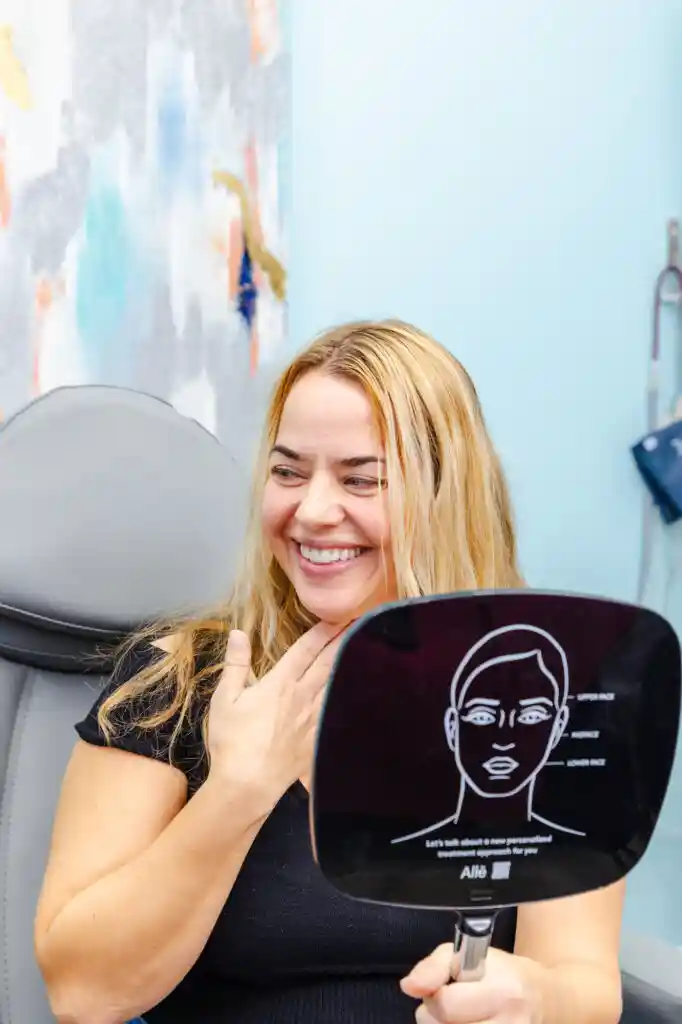
We assess your face, discuss what testosterone has and has not changed, and design a personalized plan.
02
PREPARATION
We help with any letters, documentation, and insurance pre-authorization, including appeals where needed.
03
SURGERY
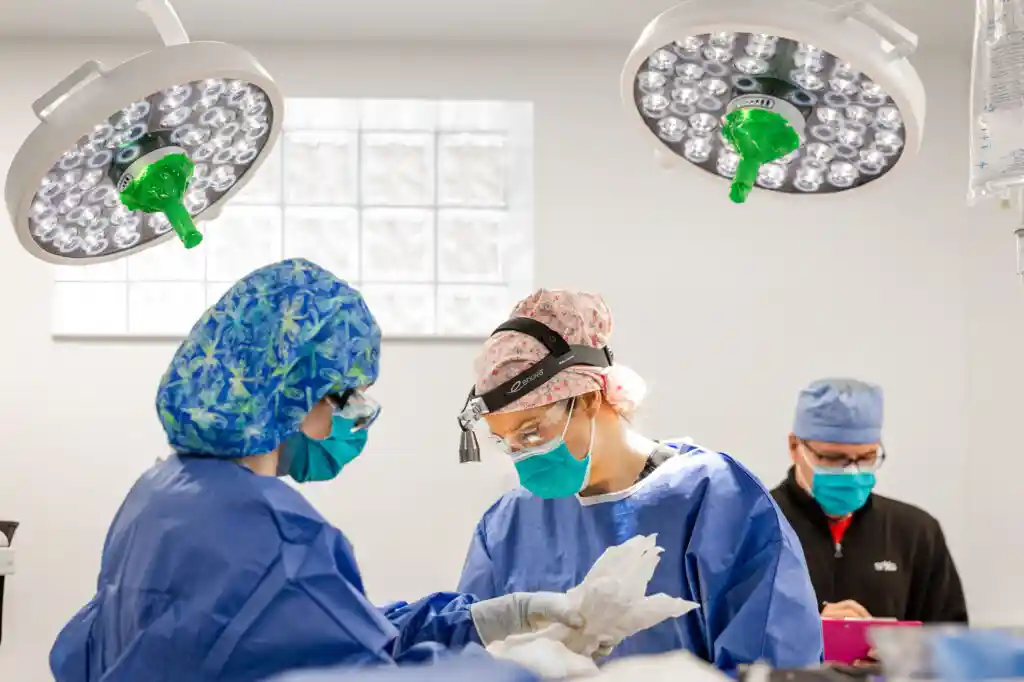
Your chosen procedures are performed, often together, under IV sedation or general anesthesia.
04
RECOVERY
You heal over the following weeks with a procedure-specific plan and scheduled follow-up visits.

IS IT RIGHT FOR YOU
Am I a Good Candidate?
FMS is for adults in good general health. Most patients have been on testosterone for at least a year, and often two, because so much of the soft-tissue change happens in that window and operating earlier means guessing at your endpoint. Smoking meaningfully affects healing in facial surgery, particularly around implants, so we ask patients to stop beforehand. Coming in able to describe what still bothers you is more useful than knowing procedure names.


HEALING
YOUR RECOVERY TIMELINE
Bone and implant work in the face means a real recovery, and swelling is the main event rather than pain.
01
FIRST WEEK
Significant swelling and bruising. Rest with your head elevated and follow any diet restrictions.
02
2 TO 3 WEEKS
The worst swelling subsides, though your face still looks changed rather than finished.
03
2 TO 4 WEEKS
Most patients return to work and social activity, depending on which procedures they had.
04
SEVERAL MONTHS
Residual swelling resolves and your final contours emerge.
PLANNING AHEAD
Planning Your Procedure and Time Off
Plan on two to four weeks away from work and social plans rather than a few days. Arrange a ride and help at home for the first week, and someone to manage meals, since jaw and chin work usually means soft foods at first.
If your procedure goes through the mouth, expect a prescribed rinse and a soft diet for a stretch, which is the part patients most underestimate. Sleep with your head elevated, avoid contact sports and anything that risks a blow to the face for several weeks, and be patient with your reflection, because judging your result at three weeks means judging swelling.

Things to Consider
FMS is safe in experienced hands, but it is extensive surgery, and each procedure comes with its own things to keep in mind. These are common across facial work, and your surgeon will go over the specifics for your plan.
-
- Prolonged swelling and bruising, particularly after bone procedures
-
- Temporary numbness in the forehead, lips, or chin
-
- With implants, a chance of shifting, infection, or revision
-
- Asymmetry, or a result that warrants a small refinement later
What Do I Need Before Surgery?
We ask that you meet with a mental health clinician and provide documentation of a gender dysphoria diagnosis, consistent with established standards of care. Your insurance may ask for a letter of support as well. We see this as part of supporting you rather than as a gate, and our team helps you gather what is needed rather than handing you a list.
Will Insurance Cover FMS?
Some plans cover gender-affirming facial surgery as medically necessary, though approvals vary considerably and facial procedures are contested more often than chest surgery. A first denial is frequently overturned on appeal, so it is worth pursuing. Our team helps with documentation, letters, and the appeal itself, and financing is available for anything not covered.
Cost & Financing
The cost depends on which procedures your plan includes, how long the surgery takes, and the anesthesia and facility fees involved. Because plans vary widely, we provide clear, personalized pricing after your consultation. Financing options are available for any portion not covered by insurance.

THE CSA DIFFERENCE
Why Choose Cosmetic Surgery Affiliates for Your FMS?
Offices in Oklahoma City and Jacksonville
This procedure is available at both Cosmetic Surgery Affiliates locations, in Oklahoma City and Jacksonville, Florida. Book your consultation at whichever office is closer to you, and our team will take it from there.
Timed to Your Transition
We will tell you when waiting on testosterone would give a better result than operating now, rather than scheduling surgery you may not need.
Surgical and Nonsurgical
Fillers, fat, implants, and bone work are all available here, so you can start where you are comfortable and build from there.
Affirming, Judgment-Free Care
Our team uses your name and pronouns and treats this as the ordinary medical care it is.
Every procedure is performed by a board-certified surgeon in an accredited surgical facility, with your surgical plan confirmed with you before the day of surgery.
Facial Masculinization FAQs
Yes. They sit against the bone rather than being fused to it, so they can be adjusted, exchanged, or taken out if your goals change.
Facial hair restoration is a common request alongside FMS, and it can be done separately or as part of a broader plan. We will confirm at your consultation what fits your timeline.
Yes, and small refinements are a normal part of this work. We would rather adjust a result than leave you living with something close but not right.
Look for board certification, an accredited facility, and real experience with masculinizing facial work rather than facial surgery generally. Ask to see before-and-afters at six months or later, from patients whose starting structure resembled yours.
Often a year or two, long enough for the soft-tissue changes to level off. Some patients find hormones alone got them where they wanted and skip surgery entirely.
Jaw and chin work is usually done entirely through the mouth, leaving nothing visible. Brow work is reached through the hairline, and nasal incisions sit inside the nose.
Most patients feel presentable at three to four weeks, though the face keeps refining for months. Photos at six months tell you far more than photos at six weeks.
Facial work is usually scheduled separately, since it heals on a different timeline and combining it with a long body procedure extends operating time. Your surgeon will advise on sequencing.
READY WHEN YOU ARE
Ready to See What Is Possible?
Ready to look how you feel? Schedule a consultation to find out whether a facial masculinization surgery is right for you, and whether your insurance may help.