No. Once it establishes itself it is ordinary living fat, so it feels natural to the touch and moves the way surrounding tissue does. This is the main advantage over any implant or filler.
FAT TRANSFER
Move Your Own Fat to Where You Want It
A fat transfer removes fat with liposuction, purifies it, and injects it where you want more volume. You reduce one area and build another in a single procedure, using nothing but your own tissue.
Treatment Highlights
Treatment Time 1 to 3 hours
Anesthesia IV sedation or general
Downtime About 1 week
FAT GRAFTING
If you carry extra fat in one place and wish you had more shape somewhere else, a fat transfer lets you address both at the same time.
Your plan comes down to three things you settle with your surgeon: where the volume should go, where the fat should come from, and whether your own fat can deliver the amount of change you want. Fat is the most natural material available, but it is also the least predictable, and that trade-off is the conversation.
What Is a Fat Transfer?
A fat transfer, also called fat grafting, moves fat from one part of your body to another. Your surgeon removes fat where you have extra, cleans and purifies it, then injects it where you want more shape. Because the material is your own tissue, the result looks and feels natural, and there is no implant or filler to maintain or replace.
A fat transfer can add volume to the:
- Face, including cheeks, temples, and under the eyes
- Breasts, for a modest natural increase
- Hands
- Buttocks and hips
What a Fat Transfer Can Do
Fat transfer is really several procedures under one name, because what it accomplishes depends entirely on where the fat goes.
Face
Volume restored to cheeks, temples, and the hollows under the eyes.
Achieves
A rested, younger look without repeat filler appointments.
Breasts
A modest natural size increase using your own fat instead of implants.
Achieves
Patients who want fullness but not a device.
Buttocks
Fuller, rounder curves with the donor area slimmed at the same time.
Achieves
Shape and projection from your own tissue.
Hips and Hands
Hip dips filled for a smoother line, or thinning hands plumped.
Achieves
Balanced proportions and younger-looking hands.
A transfer to the buttocks is what is commonly called a Brazilian butt lift, and a breast transfer is an alternative to implants for a modest increase.
HOW IT COMPARES
Fat, Fillers, or Implants?
- Versus Fillers
For Facial Volume
Dermal fillers are quick, done in the office, and temporary, lasting months to a couple of years. A fat transfer is surgery, but the fat that establishes itself is permanent. Fillers suit trying out volume or smaller touch-ups, while a transfer suits patients who are tired of maintenance.
- Versus Implants
For Breasts and Buttocks
Fat gives a softer, more natural result and a modest increase, but it requires donor supply and some of it reabsorbs. Implants give larger, more predictable volume from a device that will not change. Many patients combine the two, using an implant for size and fat to smooth the transitions.
How the Procedure Works
The three stages each affect how much of your transferred fat survives, which is why technique matters as much as volume.
-
Harvesting
Fat is collected gently by liposuction from an area you would rather slim, which contours that area as a genuine part of the result.
-
Purifying
The fat is processed to separate out fluid and damaged cells, so what gets injected is concentrated living tissue.
-
Injecting
It is placed in small amounts across many passes rather than in a single pocket, which gives each portion access to a blood supply.
What if I Do Not Have Enough Fat?
This comes up constantly, and the answer is usually more encouraging than patients expect. Small facial transfers need very little, and most people have usable donor fat even when they consider themselves lean.
For larger volumes, your surgeon can harvest from several areas in one session rather than relying on a single site. If you genuinely do not have enough for the result you want, we will say so rather than transferring too little and leaving you underwhelmed, and we will talk about implants instead. Gaining weight specifically to qualify is not something we recommend.
WHAT TO EXPECT
01
CONSULTATION
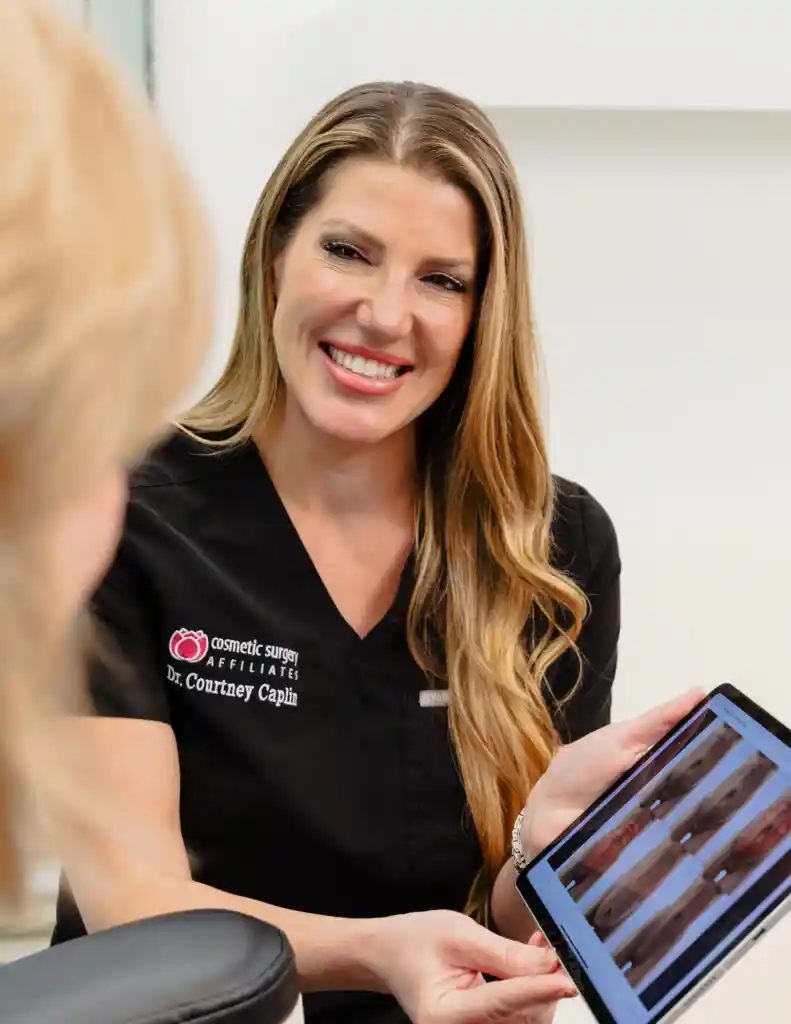
We discuss where you want less and where you want more, assess your donor fat, and build your plan.
02
PREPARATION
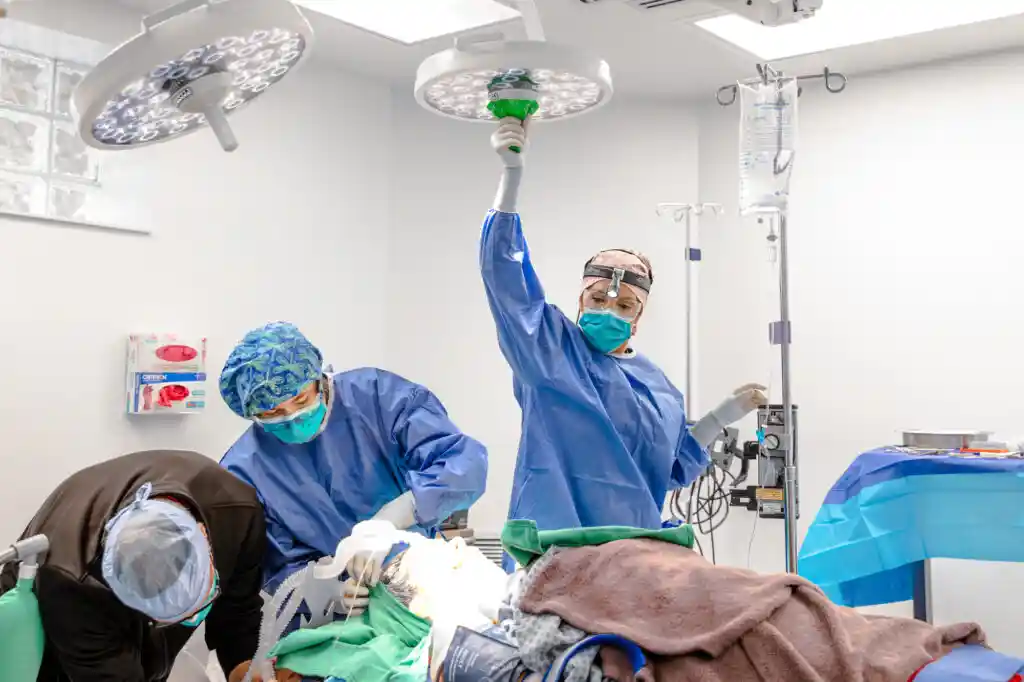
We review your pre-care instructions and explain your anesthesia. Smokers need to stop well before surgery for fat survival.
03
SURGERY
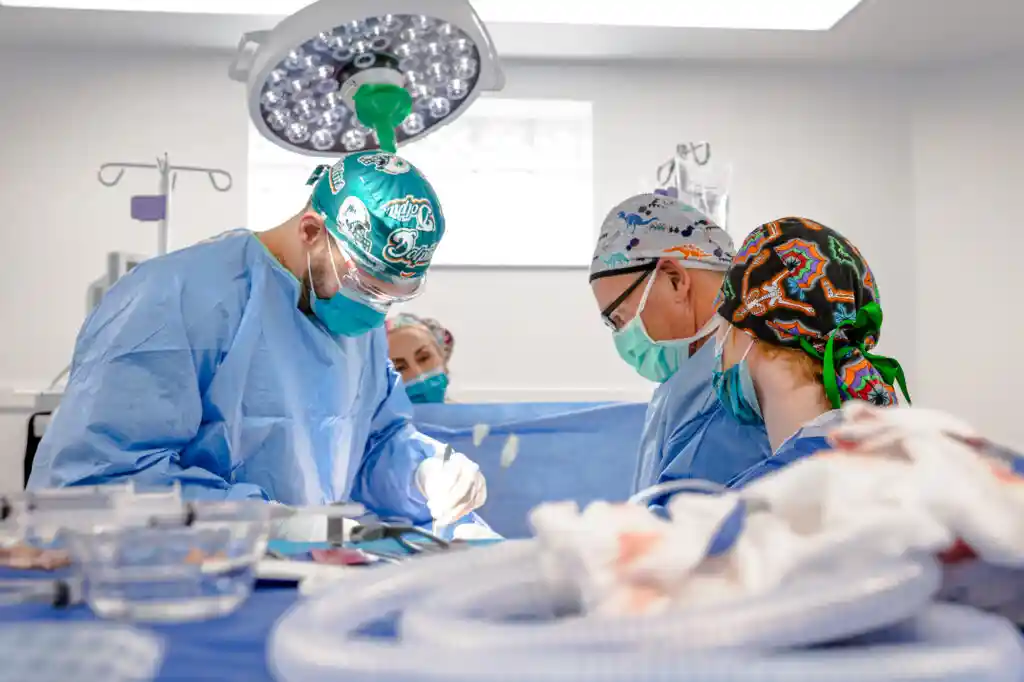
Your surgeon harvests the fat, purifies it, injects it where the volume is needed, and shapes the area.
04
RECOVERY
You go home the same day with post-care instructions, and we schedule a follow-up to check your healing.

IS IT RIGHT FOR YOU
Am I A Good Candidate?
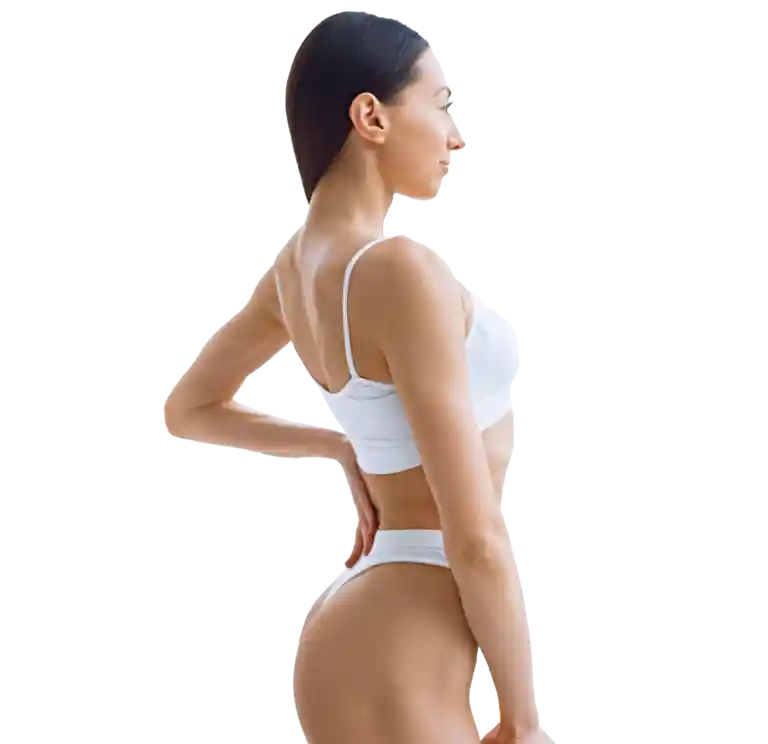
You may be a strong candidate if you want natural volume, you have some fat available to move, and you are in good general health at a stable weight. Smoking interferes with fat survival more than most people expect, since transferred fat depends on establishing a new blood supply, so we ask patients to stop before surgery. Weight stability matters too, because transferred fat behaves like the fat it came from and responds to your weight going up or down.

HEALING
YOUR RECOVERY TIMELINE
Recovery is usually easier than patients expect, and the donor sites are typically sorer than the area that received the fat.
01
FIRST FEW DAYS
Rest and take medication as directed. Soreness and swelling are normal at both sites.
02
ABOUT 1 WEEK
Many patients return to work and normal daily activity.
03
A FEW WEEKS
Incisions are mostly healed and swelling continues to come down.
04
3 TO 6 MONTHS
Reabsorption finishes and your final volume settles. Hold off on strenuous exercise until cleared at about six weeks.
PLANNING AHEAD
Planning Your Procedure and Time Off
A fat transfer is an outpatient procedure, so you go home the same day. Arrange a ride and plan a few quiet days. The donor areas drive most of the recovery, so where fat was taken from matters more to your comfort than where it went.
Wear your compression garments over the donor sites for the full period you are given, and avoid pressure on the treated area while the fat establishes itself, which matters most for a buttock transfer. Be patient judging your result, because volume looks generous early on by design and settles over several months. If you are timing this around an event, tell us at your consultation.

Things to Consider
A fat transfer is safe and uses your own tissue, and like any procedure, there are a few things to keep in mind. Your surgeon will go over each one with you.
-
- Some fat reabsorption, which is expected and planned for
-
- Asymmetry or uneven volume between sides
-
- Lumps, firm areas, or small oil cysts where fat did not survive
-
- For breast transfers, harmless calcifications that can appear on a mammogram
Will My Results Last?
Mostly, yes. Your body reabsorbs a portion of the transferred fat over the first few months, so your surgeon deliberately places more than the final volume you want and uses purification techniques to improve survival. Whatever establishes a blood supply becomes permanent living tissue. If you want more volume later, a second transfer is always an option.
Will a Breast Fat Transfer Affect My Mammograms?
It can create small calcifications in the treated tissue, which are harmless, and radiologists are able to distinguish them from findings that matter. The important step is telling your imaging center that you have had a fat transfer, so your films are read with that history in mind. Unlike an implant, transferred fat does not block the view of your breast tissue.
Cost & Financing
The cost of a fat transfer depends on how many areas are treated and how much fat is moved, along with anesthesia and facility fees. Because every plan is different, we provide personalized pricing after your consultation. Financing options are available to help your procedure fit your budget.
THE CSA DIFFERENCE
Why Choose Cosmetic Surgery Affiliates for Your Fat Transfer?
Offices in Oklahoma City and Jacksonville
This procedure is available at both Cosmetic Surgery Affiliates locations, in Oklahoma City and Jacksonville, Florida. Book your consultation at whichever office is closer to you, and our team will take it from there.
Two Areas, One Plan
Where the fat comes from is part of the result rather than a byproduct, so we plan the donor sites as carefully as the destination.
Technique Built for Survival
Gentle harvesting, careful purification, and placement in small passes are what determine how much of your fat lasts.
Honest About Volume
If your goal needs more than your own fat can deliver, we will tell you and discuss implants rather than under-delivering a transfer.
Every fat transfer is performed by a board-certified surgeon in an accredited surgical facility, with your donor areas and transfer plan confirmed with you before the day of surgery.
Fat Transfer FAQs
Yes. Some patients plan a second session to build on the first once everything has settled, usually at least six months later, provided you still have donor fat.
Often yes, and it is efficient, since the donor fat is already being removed during body contouring. Your surgeon will confirm what is safe to combine in one operating session.
Some practices offer fat banking, but survival rates for frozen fat are less predictable than for fat used immediately. We will tell you honestly whether it is worth considering in your case.
Look for board certification, an accredited surgical facility, and real volume in fat grafting specifically, since survival depends heavily on technique. Ask to see results at six months or later rather than only fresh post-op photos.
It depends on the area and your donor supply. Facial transfers use small amounts, while body areas take much more. Overfilling reduces survival, so there is a practical ceiling per session.
Harvesting is done evenly and with contouring in mind, so most patients see an improvement there. Wearing your compression garment as directed is what keeps the skin settling smoothly.
It feels similar, and the donor sites are usually the sorest part. The area receiving the fat tends to feel tight and swollen rather than painful.
It can. Transferred fat responds to weight loss the same way the rest of your fat does, so a stable weight protects the volume you paid for.
READY WHEN YOU ARE
Ready to See What Is Possible?
Ready for natural volume in just the right places? Schedule a consultation to plan your fat transfer.