Many patients wait a year or two, long enough to see where fat settles on its own. Operating earlier can mean treating an area that would have changed anyway.
FTM BODY CONTOURING
A Silhouette That Matches How You See Yourself
Body contouring moves fat away from the hips, thighs, and waist, and can add definition higher up through the torso. The goal is a line that reads as masculine in clothes and out of them.
Treatment Highlights
Treatment Time
2 to 3 hours
Anesthesia
General
Compression
About 6 weeks
BODY MASCULINIZATION
Testosterone changes where your body stores fat, but it works within limits, and the curve through the hips and thighs is often the part that does not move.
Your plan comes down to two things you work out with your surgeon: which areas hold fat you want gone, and whether any of that fat should be moved rather than discarded. Some patients need only removal, and others get a better silhouette when fat is added across the chest and upper torso.
What Is FTM Body Contouring?
FTM body contouring, also called body masculinization, reshapes the torso and lower body toward a more masculine outline. Your surgeon removes fat from the areas where it collects in a feminine pattern, and can transfer some of that fat to build width and definition higher up. It is contouring rather than weight loss, so it works on shape instead of size.
Body contouring can address:
- Fullness through the hips and outer thighs
- A defined waist that reads as feminine
- Fat that has not redistributed on testosterone
- A torso that lacks width across the chest and shoulders
Removing, Adding, or Both
Masculinizing a silhouette is partly about taking fat out and partly about where it goes instead. Most plans do some of each.
Liposuction
Fat removed from the hips, outer thighs, waist, and buttocks to straighten the outline.
Best For
A narrower lower body and a less defined waist.
Fat Transfer
Harvested fat purified and placed across the chest, shoulders, or upper torso.
Best For
Width and bulk higher up, for a squarer frame.
Combined
Removal and transfer planned together in one operation.
Best For
The clearest change in overall silhouette.
Fat has to come from somewhere, so a transfer is usually planned alongside liposuction rather than as a separate procedure.
HORMONES AND FAT
What Testosterone Changes and What It Does Not
-
What It Does
Shifts Fat Over Time
Testosterone gradually moves fat storage toward the abdomen and away from the hips and thighs, and it builds muscle when you train. Most of that change happens across the first two years, and it is worth seeing where you land before deciding on surgery.
-
What It Does Not
Remove Existing Deposits
Hormones rarely clear the fat already established through the hips, outer thighs, and buttocks, and no amount of training targets it either. That stubborn remainder is exactly what liposuction is good at, which is why the two work in sequence rather than in competition.
Planning It Around Top Surgery
Most patients ask about this, and the honest answer depends on how much work each procedure involves. Top surgery and body contouring can sometimes be done together, and sometimes they should not be.
Total operating time is what drives the risk rather than the procedures themselves, so a straightforward chest procedure combined with limited liposuction is often reasonable, while extensive contouring is better on its own day. Many patients have top surgery first, since it usually changes daily life the most, then contour once they see how their shape has settled. Your surgeon will give you a specific recommendation rather than a rule.

WHAT TO EXPECT
01
CONSULTATION
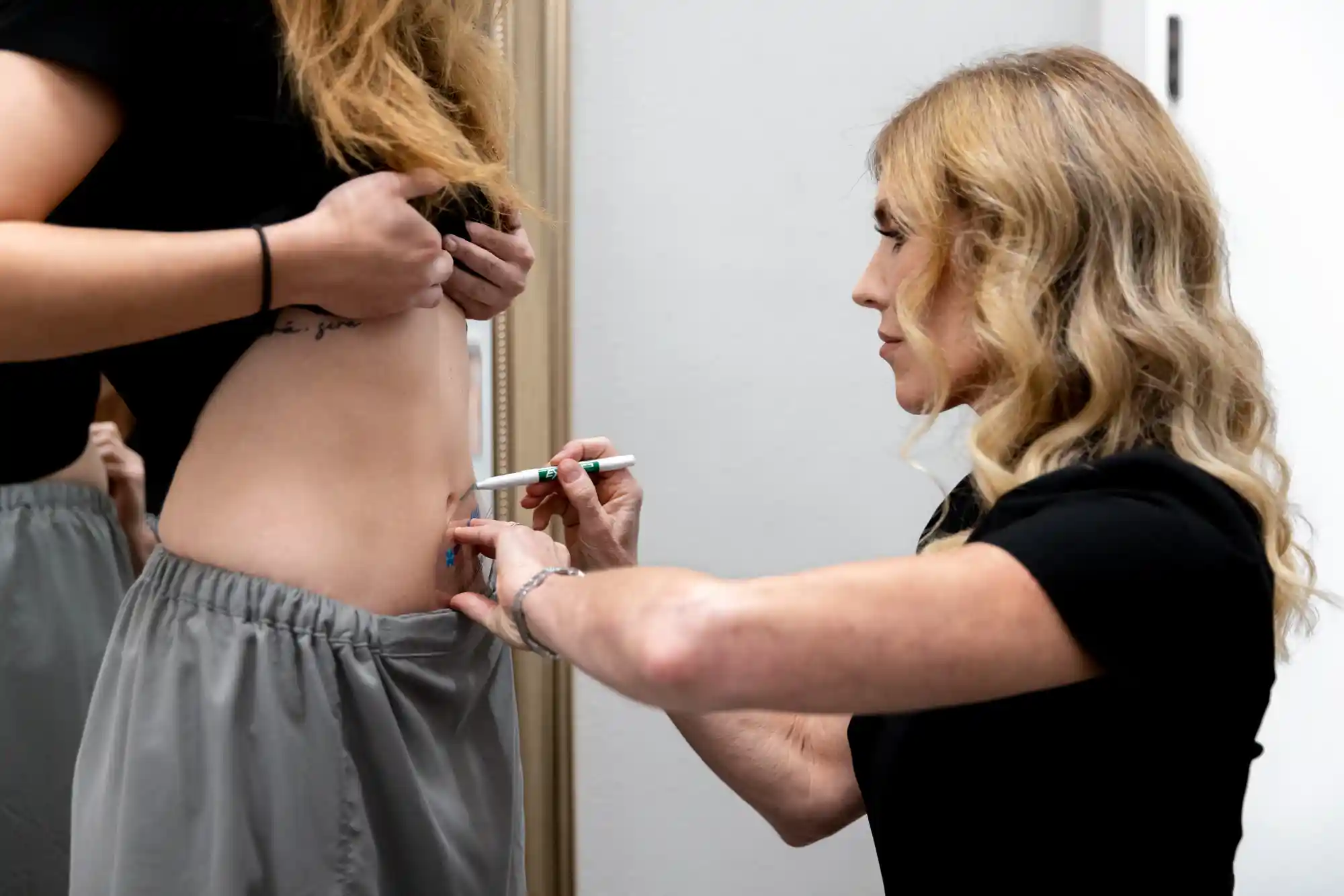
We look at your whole silhouette, discuss what you want changed, and map which areas to reduce and where fat might go.

02
PREPARATION
We review your pre-care instructions and explain your anesthesia. Smokers need to stop well before the surgery date.

03
SURGERY
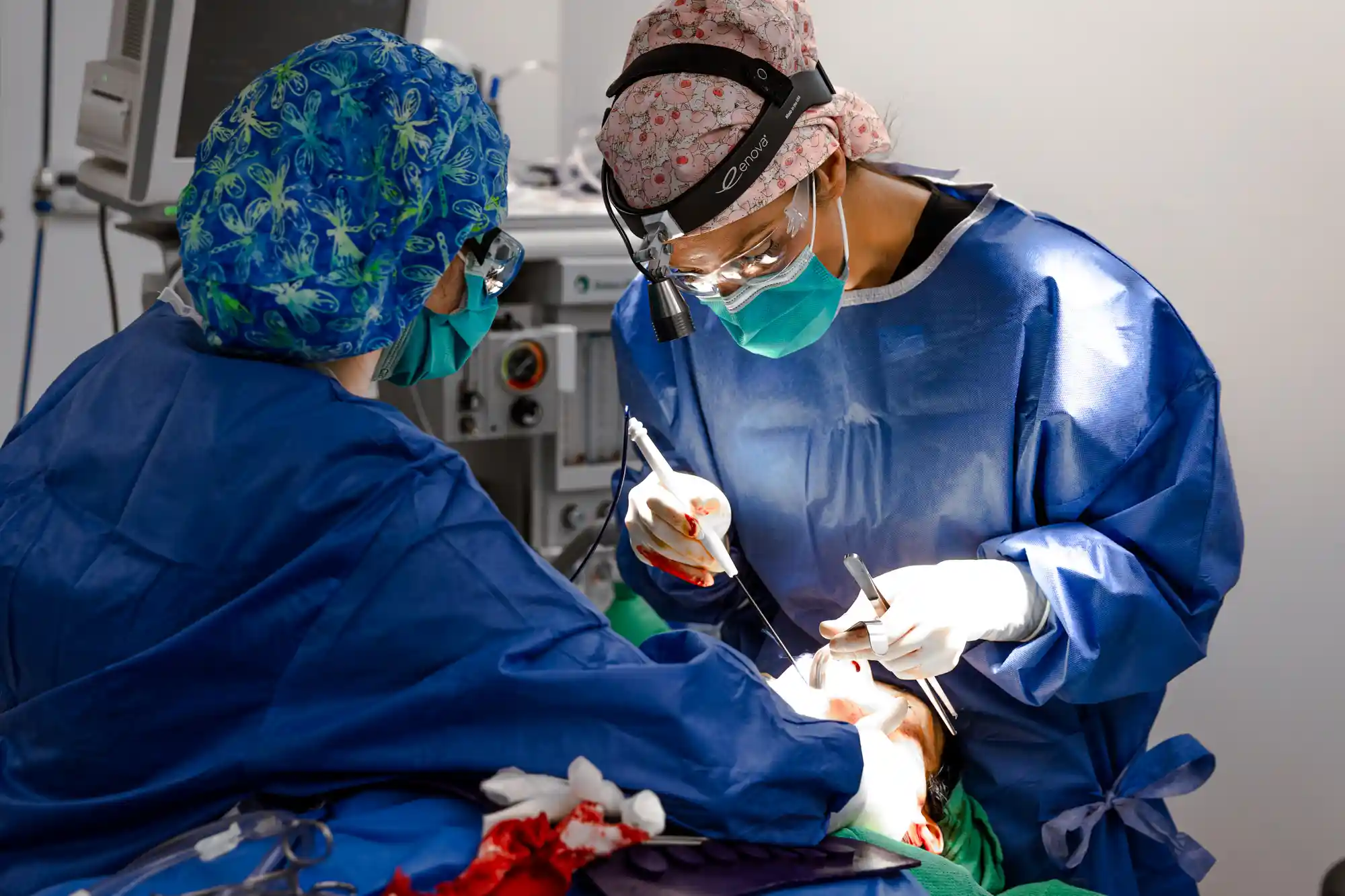
Your surgeon removes fat through small incisions and, if planned, purifies and transfers some of it to the upper torso.

04
RECOVERY
You go home the same day in compression garments with a written recovery plan and scheduled follow-ups.

IS IT RIGHT FOR YOU
Am I A Good Candidate?
You may be a good candidate if you are at or near a stable weight, you are in good general health, and your skin still has decent elasticity. This is a contouring procedure, so it works best when the remaining shape is already close to what you want. Many patients have been on testosterone for a year or more, which gives a clearer picture of what will change on its own and what will not. Smoking affects fat survival and healing both, so we ask patients to stop beforehand.


HEALING
YOUR RECOVERY TIMELINE
Recovery is manageable, but the garments and the swelling schedule both run longer than the downtime itself.
01
FIRST FEW DAYS
Soreness and swelling across the treated areas. Rest, with gentle walking to help circulation.
02
ABOUT 1 WEEK
Most patients return to desk work and light daily activity.
03
FIRST 6 WEEKS
Wear your compression garments as directed, since they shape how the skin settles.
04
3 TO 6 MONTHS
Swelling fully resolves and your final contour appears. Exercise resumes at about six weeks.
PLANNING AHEAD
Planning Your Procedure and Time Off
This is an outpatient procedure, so you go home the same day. Arrange a ride and help for the first few days. Most patients are back to desk work within about a week, though how many areas you treat changes that considerably.
Compression is the long commitment here, worn nearly continuously for around six weeks, so make sure the garments fit under your clothes. Expect the treated areas to feel firm and uneven for a while as swelling resolves, and avoid judging your silhouette before three months. If you had fat transferred, avoid pressure on those areas early on so the fat can establish itself.

Things to Consider
Contouring is safe and commonly performed, but the result depends heavily on technique and judgment. Your surgeon will go over each of these with you.
-
- Contour irregularities, lumpiness, or asymmetry between sides
-
- Some transferred fat reabsorbing, which is expected and planned for
-
- Temporary numbness or changes in sensation
-
- Loose skin becoming more apparent where elasticity is limited
Will Insurance Cover Body Contouring?
Usually not, and we would rather tell you that upfront. Insurers often classify body masculinization as cosmetic even when they cover chest surgery, because the criteria they use are narrower for contouring. It is still worth asking, since plans differ and some do consider it, and our team can help you submit for a determination. Plan on it being out of pocket, and know that financing is available.
How Long Will the Results Last?
The fat cells removed are gone permanently and do not come back. What can change is everything around them, since the remaining fat cells throughout your body still respond to weight gain. A stable weight is the single biggest factor in holding your result, and transferred fat behaves the same way, growing or shrinking along with the rest.
Cost & Financing
The cost depends on how many areas are treated and whether a fat transfer is included, along with anesthesia and facility fees. Because every plan is different, we provide personalized pricing after your consultation. Financing options are available, and we will be straightforward about what your insurance is and is not likely to cover.

THE CSA DIFFERENCE
Why Choose Cosmetic Surgery Affiliates for Your Body Contouring?
Offices in Oklahoma City and Jacksonville
This procedure is available at both Cosmetic Surgery Affiliates locations, in Oklahoma City and Jacksonville, Florida. Book your consultation at whichever office is closer to you, and our team will take it from there.
The Whole Silhouette
We plan where fat is removed and where it is added together, because a masculine outline comes from proportion rather than from any single area.
Honest About Timing
If hormone therapy is still changing your shape, we will tell you that waiting gives a better result than operating now.
Affirming, Judgment-Free Care
Our team uses your name and pronouns and treats this as the ordinary medical care it is.
Every contouring procedure is performed by a board-certified surgeon in an accredited surgical facility, with your treatment areas and transfer plan confirmed with you before the day of surgery.
FTM Body Contouring FAQs
No. Plenty of patients only want fat removed, and that is a complete plan on its own. A transfer is offered when adding width higher up would improve the overall outline.
Usually three to four, depending on the volume involved. If you want more than that, staging the work across two procedures is safer than extending one surgery.
Yes, once the first result has fully settled at three to six months. Second passes are usually smaller and aimed at refining a specific area rather than removing volume.
Look for board certification, an accredited surgical facility, and experience with masculinizing contouring specifically rather than liposuction generally. Ask to see results at three months or later, and from patients whose starting shape resembled yours.
It can reduce fat over the abdomen, but it does not tighten loose skin or build muscle. If skin laxity is part of the picture, your surgeon will tell you whether a skin-removal procedure would serve you better.
Only tiny marks a few millimeters across where the cannula enters, placed in spots that are easy to conceal. They fade to the point most patients cannot find them.
That generally improves the result, since a squarer frame reads better with more upper-body mass. Wait until your surgeon clears you at around six weeks before returning to lifting.
No. Contouring works on fat, while those procedures remove skin. If you have significant loose skin from weight loss, that is a different operation and we can talk through it.
READY WHEN YOU ARE
Ready to See What Is Possible?
Ready to look how you feel? Schedule a consultation to find out whether FTM body contouring is right for you, and which approach best fits your goals.