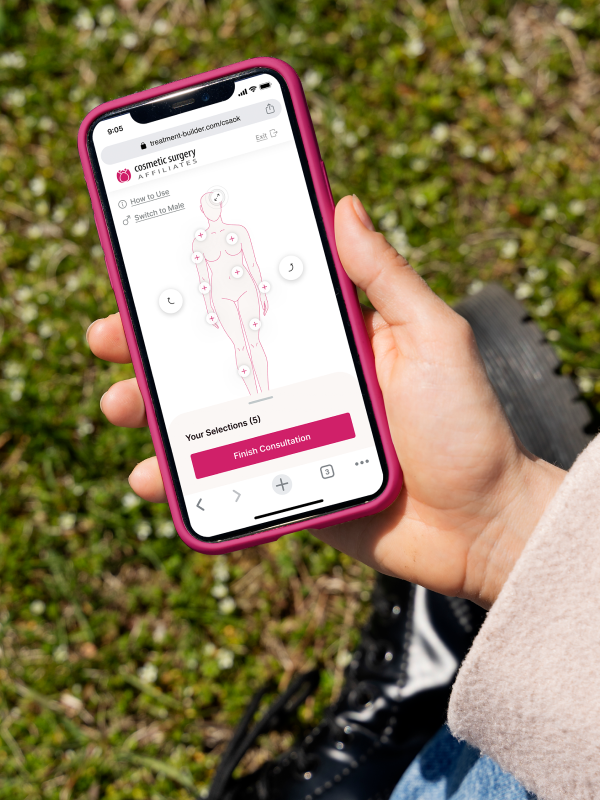
The treatment itself is managed with numbing cream, local anesthetic, or sedation depending on depth. Afterward, the skin feels hot and raw rather than sharply painful, and that eases within days.
LASER SKIN RESURFACING
Rebuild Your Skin From the Surface Down
A CO2 laser removes damaged surface skin and heats the layer beneath it, which triggers months of new collagen. It is the most powerful resurfacing we offer.

Treatment Highlights
Treatment Time
30 to 90 minutes
Anesthesia
Topical, local, or sedation
Social Downtime
7 to 14 days
CO2 LASER
If creams and gentle treatments have stopped making a difference, resurfacing works at a depth they cannot reach. It is the difference between maintaining skin and changing it.
Your plan comes down to how deep to go, and that single decision sets your results, your downtime, and your risk all at once. Deeper means a bigger change and a longer recovery. Your surgeon matches the depth to what you want corrected and to how much time you can genuinely take.
What Is CO2 Laser Resurfacing?
A CO2 laser uses a precisely controlled beam to remove the outer layers of damaged skin and heat the collagen underneath. Your body responds by rebuilding, which is why the improvement keeps developing for months after the skin has healed. Because it works by creating controlled injury, this is a medical procedure rather than a facial, and the depth is chosen deliberately.
CO2 resurfacing can address:
- Deep lines around the mouth and eyes
- Acne scarring and uneven texture
- Sun damage and brown spots
- Enlarged pores and dull, rough skin
- Crepey skin that creams have not helped

How Deep Should You Go?
Resurfacing is a spectrum rather than a single treatment, and choosing the right depth is most of the decision.
Fractional CO2
The laser treats columns of skin and leaves healthy tissue between them to speed healing.
Best For
Most patients. Strong results with a shorter recovery.
Fully Ablative
The full surface is treated for the most dramatic correction available.
Best For
Deep wrinkles and severe sun damage. Longest recovery.
Lighter Resurfacing
A gentler setting or a non-ablative device with minimal surface disruption.
Best For
Early texture concerns, or patients who cannot take time off.
Deeper is not automatically better. The right depth is the shallowest one that will reach the problem you want fixed.
DEPTH AND DOWNTIME
The Trade-Off You Cannot Avoid
-
Deeper
More Change, More Recovery
Removing more tissue produces more collagen and a bigger correction, and it also means longer healing, more redness, and a higher chance of complications. A single deep treatment can accomplish what several light ones cannot, but you have to be able to take the time to recover.
-
Lighter
Less Change, Less Disruption
A gentler treatment means a few days of looking sunburned rather than a couple of weeks of visible healing. The results are more modest, and a series can build toward a similar place. If your schedule will not allow a real recovery, this is the honest route rather than a compromise we hide.
What It Improves Most
Resurfacing works on the texture and quality of skin, which makes it better for some complaints than others.
-
Acne Scarring
One of the strongest applications, since resurfacing levels the skin around depressed scars rather than filling them.
-
Deep Lines
Etched lines around the mouth and eyes respond to resurfacing in a way that injectables cannot match.
-
Sun Damage and Tone
Brown spots, rough patches, and years of accumulated damage clear as the surface layers are removed.
-
Overall Texture
Pore size, crepiness, and dullness improve as new collagen builds across the following months.
What to Expect in the First Two Weeks
Recovery from laser resurfacing is different from a chemical peel, so we want you to know exactly what to expect ahead of time.
In the first few days, your skin will be swollen, tender, and may weep a little. After that, it will begin to crust and peel as fresh skin comes through. Most patients look noticeably treated for one to two weeks and prefer to stay home for much of that time. Redness fades gradually and may last a few weeks, or a few months after a deeper treatment, but it can be covered with makeup once your skin has healed. All of this is a normal part of the healing process and a sign that the treatment is working. Knowing the timeline in advance makes it much easier to plan and feel at ease during your recovery.
WHAT TO EXPECT
01
CONSULTATION
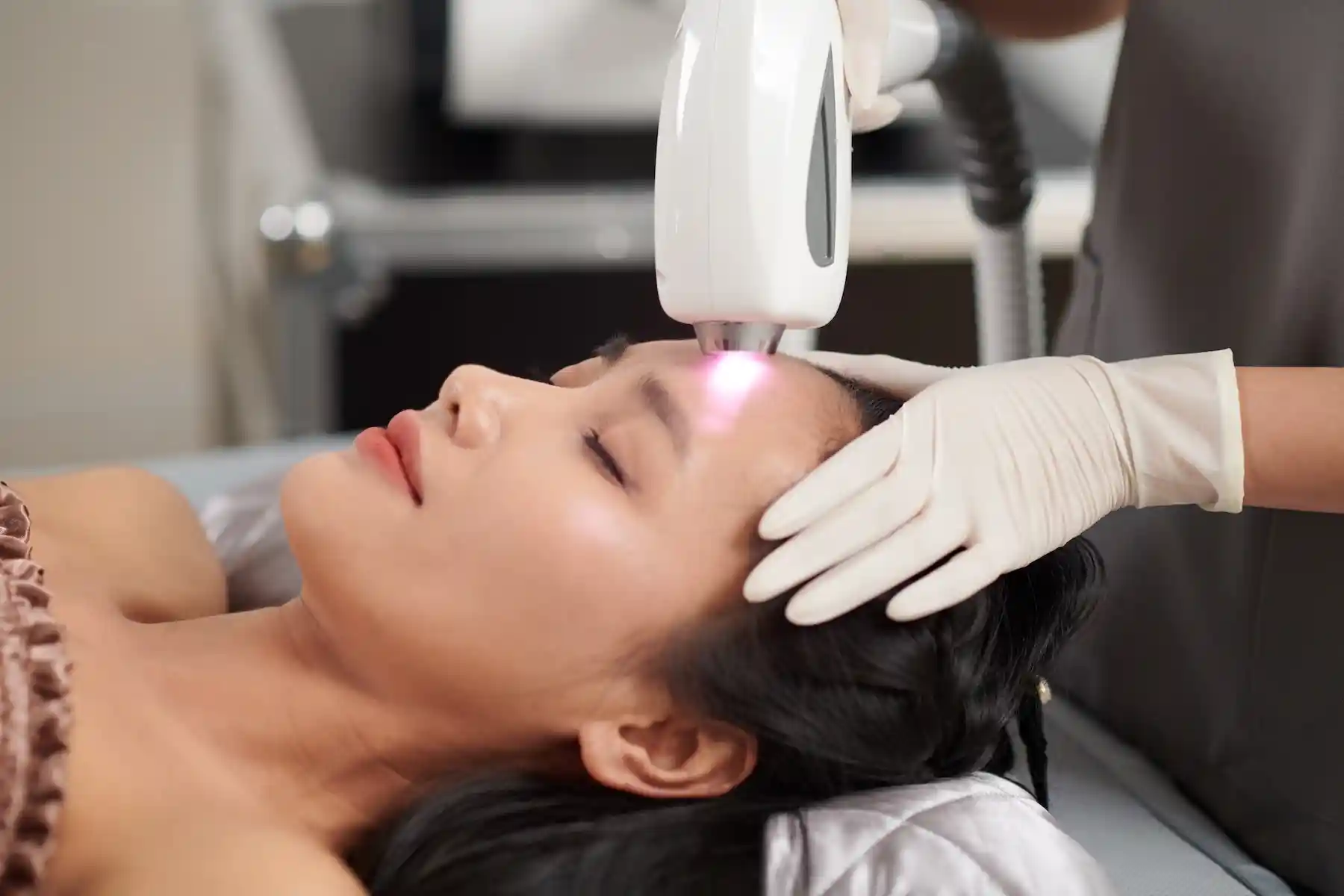
We assess your skin and your tone, discuss what you want corrected, and recommend a depth honestly matched to your schedule.

02
PREPARATION
You may use prescribed skin preparation beforehand, plus antiviral medication if you are prone to cold sores. Stop retinoids as directed.
03
TREATMENT
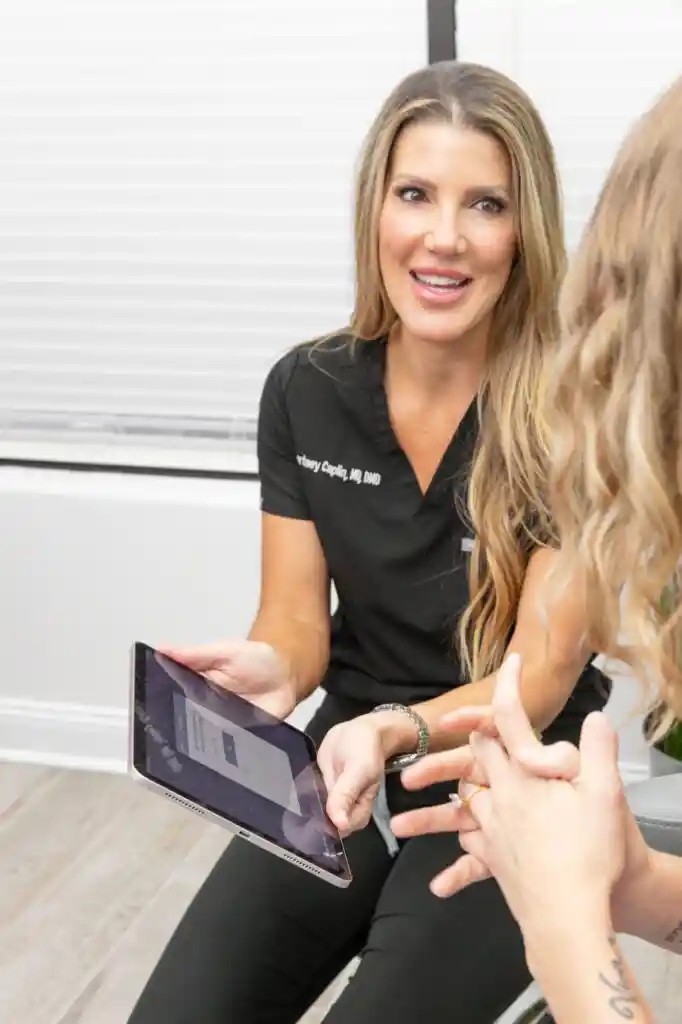
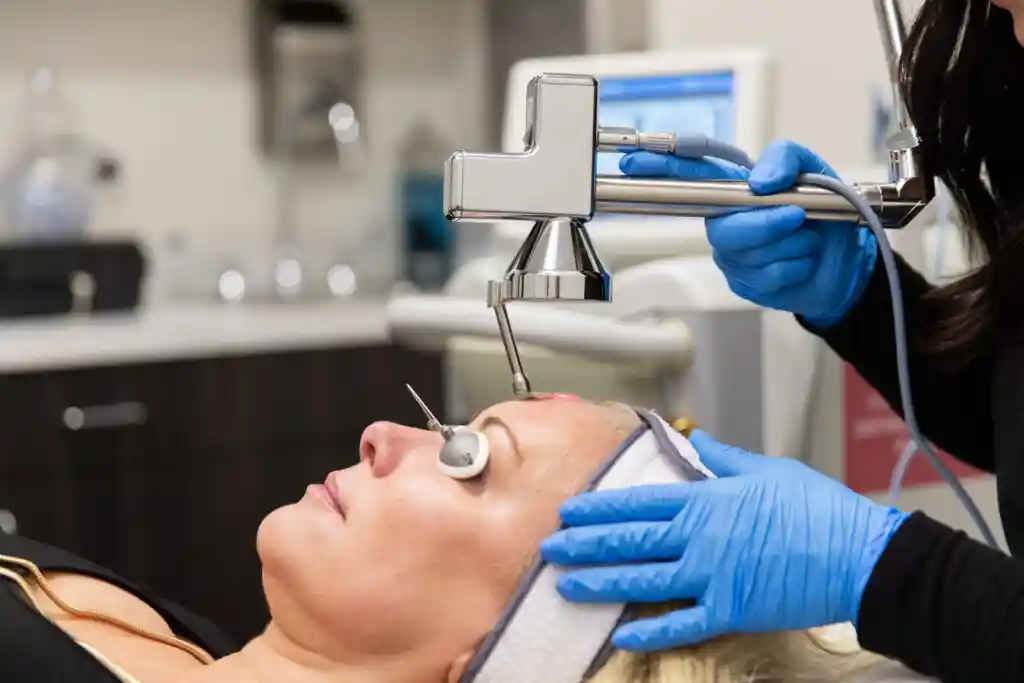
With the area numbed, your provider passes the laser across it. Deeper treatments may use sedation for comfort.
04
RECOVERY
You go home with occlusive ointment and detailed instructions. We follow up closely through the healing phase.
IS IT RIGHT FOR YOU
Am I a Good Candidate?
Good candidates want a meaningful change in skin texture, can take real time away from work and social plans, and are willing to commit to sun protection afterward. Skin tone matters here in a way it does not with most treatments, and we will discuss that openly with you. If you get cold sores, are on isotretinoin, smoke, or have a history of keloid scarring, tell us, because each affects whether and how we treat you.

YOUR PROGRESS
YOUR RECOVERY TIMELINE
The healing sequence is predictable, which helps. Here is what to expect after a fractional treatment, with deeper work running longer at each stage.
01
DAYS 1 TO 3
Expect swelling, heat, and weeping. Keep the skin coated in ointment and rest with your head elevated.
02
DAYS 4 TO 7
The surface crusts and begins peeling. Do not pick or scrub, and let it come away on its own.
03
1 TO 2 WEEKS
New skin is intact and pink. Most patients feel presentable and can cover with makeup.
04
1 TO 6 MONTHS
Redness fades and collagen keeps rebuilding. Your final result appears well after healing finishes.
PLANNING AHEAD
Planning Your Procedure And Time Off
Plan on a genuine week off work at minimum, and closer to two if your treatment is deep or your job is public-facing. Arrange help for the first days, since you will be applying ointment constantly and will not want to be out.
Stock up before your appointment on the ointment, gentle cleanser, and cool compresses you will need, because leaving the house for supplies on day two is miserable. Sun protection afterward is not optional. New skin burns easily and pigments unpredictably, so daily sunscreen and shade are what protect the result you paid for. If you have an event, allow at least six weeks, and longer for a deep treatment.
Things to Consider
This is the most powerful treatment on our skin menu, so there are a few important things to keep in mind. Your provider will go over each one with you before you decide.
-
- Prolonged redness, which can last weeks to months after deeper treatments
-
- Changes in pigmentation, either darkening or lightening, which is the main concern in deeper skin tones
-
- Infection or reactivation of cold sores, which is why prophylactic medication is used
-
- Rarely, scarring or a permanent change in skin texture
Is It Safe for Darker Skin Tones?
It requires more caution, and we would rather be direct about that than reassuring. Ablative resurfacing carries a real risk of post-inflammatory hyperpigmentation in richer skin tones, meaning the treated area darkens as it heals. That risk can be managed with lighter settings, skin preparation beforehand, and careful aftercare, and for some patients a different treatment is the better choice entirely. What we will not do is treat you at a depth your skin is likely to react to and hope it resolves.
How Long Do the Results Last?
Years, and often longer, because you are removing damage and building new collagen rather than adding something that wears off. What resurfacing cannot do is stop aging or protect you from new sun damage, and unprotected sun exposure will undo the result faster than anything else. Most patients maintain with good skincare and sunscreen, and some choose a lighter treatment years later rather than repeating a deep one.
Cost & Financing
The cost depends on the depth of your treatment, how much area is covered, and whether sedation is used. A single deep treatment often costs more upfront than a series of lighter ones while accomplishing more, so we will lay out both routes. We provide clear pricing after your consultation, and financing options are available.

THE CSA DIFFERENCE
Why Choose Cosmetic Surgery Affiliates for Your Resurfacing?
Offices in Oklahoma City and Jacksonville
This procedure is available at both Cosmetic Surgery Affiliates locations, in Oklahoma City and Jacksonville, Florida. Book your consultation at whichever office is closer to you, and our team will take it from there.
Depth Matched to Your Skin
We choose settings from your skin tone and your schedule rather than running one protocol for everyone.
Honest About Downtime
We tell you what two weeks of healing actually looks like before you book, because patients who are surprised by it have a much harder time.
Surgical Options Too
Resurfacing improves skin quality but does not lift anything. When laxity is the real issue, we will say so and discuss a lift instead.
Every treatment is performed by a trained medical provider, with your laser depth and settings confirmed with you before treatment begins.
Laser Resurfacing FAQs
Somewhat, through new collagen, but it is not a substitute for a lift. If sagging is your main concern, resurfacing will improve your skin quality without changing the sag.
Tell us, and we will prescribe an antiviral to take before and after. Laser treatment reliably triggers an outbreak otherwise, and an outbreak on healing skin is worth avoiding.
Not while you are taking it, and generally not for a period afterward, because healing is impaired. Your provider will give you a specific timeline.
Look for a medical practice, a provider experienced with your skin tone specifically, and before-and-after photos at six months rather than at two weeks. Ask what depth they would use on you and why.
A single deep treatment is often enough, while lighter resurfacing usually takes a series of three or more. Your provider will tell you which route suits your goals.
Yes, and targeted treatment is common. Those areas hold the deepest etched lines, and treating them alone means a shorter recovery.
Once the skin has fully closed and your provider clears it, usually around one to two weeks. Applying it earlier risks infection in raw skin.
No. Microneedling creates tiny channels mechanically and is far gentler, with a day or two of redness. CO2 removes tissue and reaches deeper, which is why the results and the recovery are both larger.
READY WHEN YOU ARE
Ready to See What Is Possible?
Ready to change your skin rather than maintain it? Schedule a consultation and we will talk through depth and downtime.