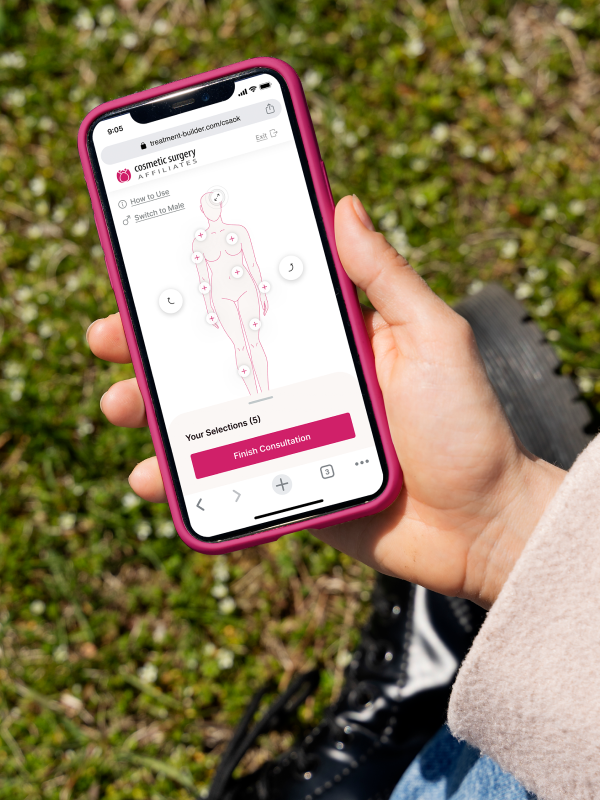
Usually three to four areas safely in a single session, depending on the volume involved. If you want more than that, we can stage your procedures rather than extending one surgery.
LIPOSUCTION
Remove Stubborn Fat and Sculpt Your Shape
Liposuction removes pockets of fat that resist diet and exercise, then sculpts the area around them. It is a contouring procedure rather than a weight-loss method, and that distinction shapes everything about the plan.
Treatment Highlights
Treatment Time:
1 to 4 hours
Anesthesia
IV sedation or general
Compression
About 3 weeks
SUCTION-ASSISTED LIPECTOMY
If you eat well and train consistently but still carry pockets of fat that will not move, liposuction is the procedure that removes them.
Your plan comes down to three things you settle with your surgeon: which areas to treat, which technique suits the fat in those areas, and whether your skin has the elasticity to retract once the fat underneath is gone. That last question is the one that decides whether liposuction alone is the right procedure at all.
What Is Liposuction?
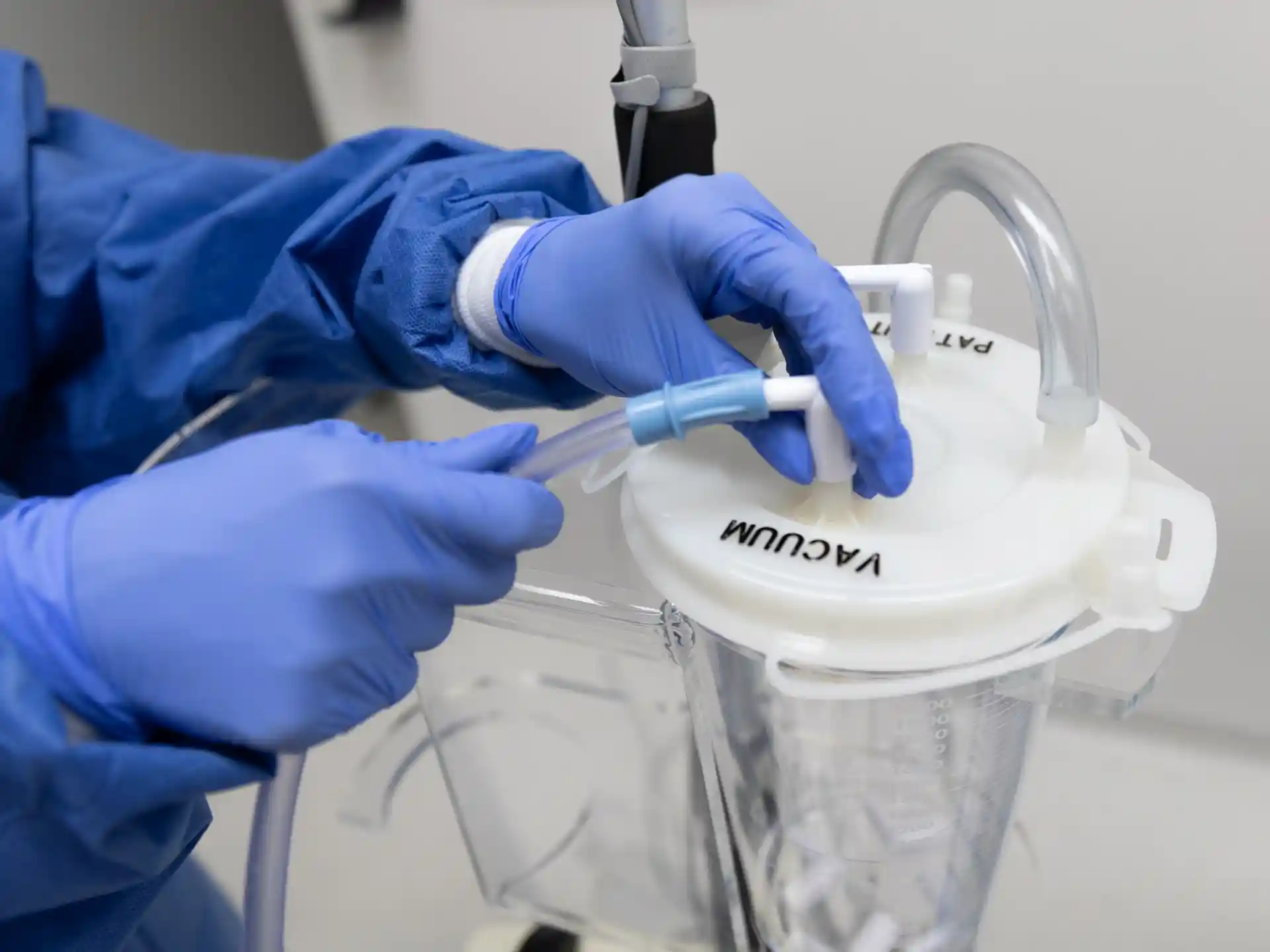
Liposuction removes stubborn fat through a thin tube called a cannula, slimming and reshaping the treated area. It works on specific pockets rather than on overall size, which is why a patient near their goal weight gets a far better result than someone hoping to lose weight through it. For safety, surgeons limit how much fat is removed in one session.
Liposuction can treat the:
- Abdomen, waist, and flanks
- Arms and back
- Thighs, hips, and buttocks
- Chin, jawline, and neck

Liposuction Techniques
Liposuction comes in several forms, and your surgeon chooses the method that suits the area and the type of fat being treated.
Tumescent
A numbing fluid is infused first to ease fat removal and limit bruising.
Best For
A widely used standard approach across most areas.
Power-Assisted
A vibrating cannula removes fat more efficiently, also called PAL.
Best For
Larger volumes and denser, more fibrous fat.
Ultrasound-Assisted
Sound energy loosens fat before removal, often called VASER.
Best For
Precise sculpting and detailed definition.
Laser-Assisted
Laser energy liquefies fat and may add mild skin tightening.
Best For
Smaller areas where modest tightening helps.
No single technique is best for every area. Your surgeon will confirm which method suits your plan at your consultation.
SKIN ELASTICITY
Will Liposuction Tighten Loose Skin?
-
Firm Skin
It Will Retract
If your skin still has good elasticity, it retracts over the treated area as swelling resolves and the contour looks smooth. This is the situation liposuction is designed for, and it is why skin quality matters more than the amount of fat.
-
Loose Skin
It Will Not Tighten
Liposuction removes fat and does nothing to tighten skin, and taking fat out from beneath loose skin can make the sagging more obvious. Patients in this situation need a skin-removal procedure such as a tummy tuck or arm lift, either instead of liposuction or alongside it.
Liposuction or Nonsurgical Fat Reduction?
Both reduce fat, but they are not close substitutes, and the honest comparison comes down to how much change you want and how fast.
Nonsurgical fat reduction suits smaller, milder concerns and comes with almost no downtime, though results are gradual and modest and often need several sessions. Liposuction removes considerably more fat in one session with a single recovery, and the contouring is more dramatic and more predictable because your surgeon is shaping the area directly. We offer both and will tell you which actually fits your goal.

WHAT TO EXPECT
01
CONSULTATION
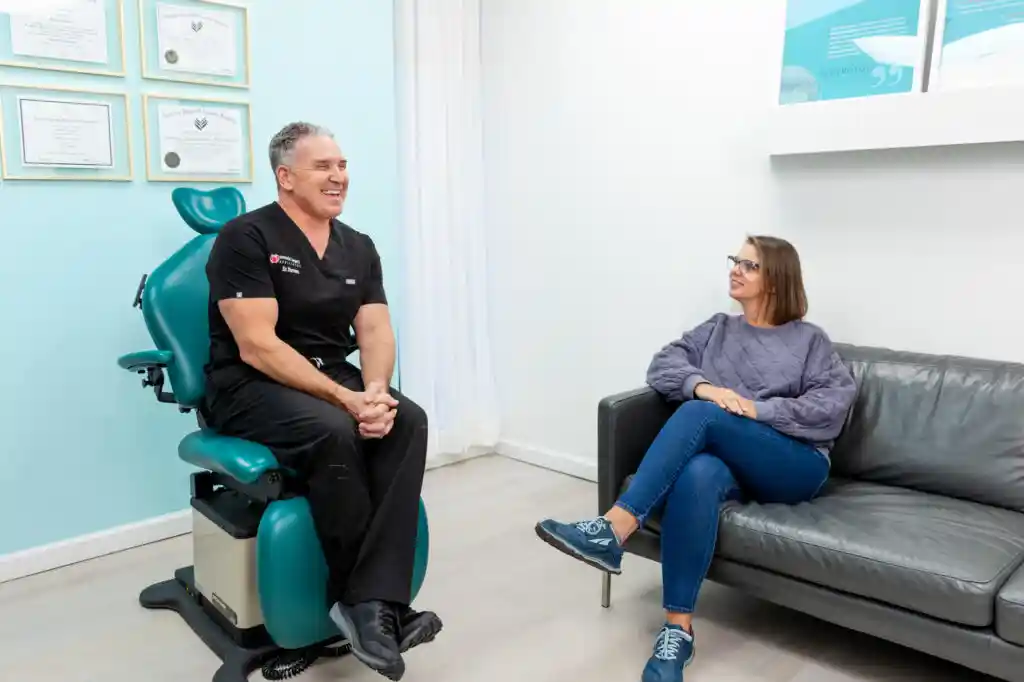
We review your goals, examine the areas and your skin elasticity, and recommend the right technique and plan
02
PREPARATION
We explain your anesthesia and provide pre-care instructions, including which medications to stop beforehand.

03
SURGERY
Your surgeon infuses numbing fluid, makes tiny incisions, and uses a thin cannula to remove fat and sculpt the contour.

04
RECOVERY
You go home the same day in a compression garment with post-care instructions, and we schedule your follow-up.

IS IT RIGHT FOR YOU
Am I a Good Candidate?
You may be a good candidate if you are at or near your ideal weight and have stubborn fat that resists diet and exercise, along with skin that still has good elasticity. Liposuction is not a weight-loss method, and patients who approach it that way are usually disappointed. If losing weight is your main goal, we also offer medical weight loss to help you reach a stable starting point first, and the contouring works far better from there.


HEALING
YOUR RECOVERY TIMELINE
Liposuction recovery is manageable, but the compression garment and the swelling timeline both last longer than most patients expect.
01
FIRST FEW DAYS
Rest with help the first night. Soreness, swelling, and bruising are all normal.
02
ABOUT 1 WEEK
Many patients return to desk work and light daily activity.
03
FIRST 3 WEEKS
Wear your compression garment continuously, removing it only to wash and bathe.
04
6 WEEKS AND BEYOND
Strenuous activity resumes once cleared, and your final shape emerges as swelling settles.
PLANNING AHEAD
Planning Your Procedure and Time Off
Liposuction is an outpatient procedure, so you go home the same day. Arrange a ride and help for the first night. Most patients are back to desk work within about a week, and the number of areas treated affects how much time you should set aside.
The compression garment is the part to plan for, since it is worn nearly continuously for around three weeks and needs to fit under your clothes. Walk gently and often to help circulation, expect the treated areas to feel firm and lumpy for a while as swelling resolves, and do not judge your contour before three months. If you are timing this around an event, tell us at your consultation.
Things to Consider
Liposuction is common and safe, but results depend heavily on technique and judgment. Choosing an experienced surgeon makes a real difference, and yours will go over each of these with you.
-
- Contour irregularities, lumpiness, or uneven results
-
- Swelling and bruising that take weeks to settle
-
- Temporary numbness or changes in sensation
-
- Loose skin becoming more apparent when elasticity is limited
How Long Do the Results Last?
The fat cells removed from the treated area are gone permanently and do not regenerate. The fat cells that remain can still enlarge with weight gain, and fat may become more noticeable in untreated areas, so staying within roughly five to ten pounds of your post-surgery weight is what keeps the contour looking the way it did.
Can a Previous Liposuction Be Corrected?
Usually, yes. If an earlier procedure left lumps, uneven bulges, or over-suctioned depressions, revision liposuction can smooth the contour, and fat grafting is sometimes used to fill areas where too much was taken. Revision work is more demanding than a first procedure, since your surgeon is working through existing scar tissue.
Cost & Financing
The cost of liposuction depends on how many areas you treat and the technique used, along with anesthesia and facility fees. Because every plan is different, we provide personalized pricing after your consultation. Financing options are available to help your procedure fit your budget.

THE CSA DIFFERENCE
Why Choose Cosmetic Surgery Affiliates for Your Liposuction?
Skin Assessed First
We check elasticity before recommending anything, because removing fat from under loose skin is how patients end up unhappy with a technically fine procedure.
Technique Matched to the Area
Dense fat on the back and delicate work along the jawline call for different methods, and we choose accordingly rather than using one approach everywhere.
Revision Work Welcome
Correcting irregularities from a previous liposuction is regular work here rather than something we turn away.
Every liposuction is performed by a board-certified surgeon in an accredited surgical facility, with your treatment areas and technique confirmed with you before the day of surgery.
Liposuction FAQs
No. It contours specific areas rather than reducing overall weight, and the amount removed in one session is limited for safety. Patients near their goal weight see the best results.
Firmness and unevenness are normal for several weeks while swelling resolves and the tissue settles. Massage and your compression garment both help, and the texture smooths out over a few months.
Gentle walking starts right away, and strenuous exercise waits until your surgeon clears you at around six weeks. Returning early tends to increase swelling rather than speed anything up.
Look for board certification, an accredited surgical facility, and before-and-after photos taken at least three months out, since early photos hide contour problems. Ask which technique they would use on your areas and why.
Yes, once the first result has fully settled at around three to six months. Second passes are usually smaller and aimed at refining contour rather than removing volume.
The removed cells do not return, but if you gain weight afterward, the remaining fat cells throughout your body enlarge, which can make untreated areas more noticeable by comparison.
Just a few millimeters, placed where they are easy to conceal. They fade to the point that most patients have trouble finding them after a year.
Not reliably. Cellulite comes from connective bands pulling on the skin rather than from volume of fat, so removing fat may improve it slightly or leave it unchanged.
READY WHEN YOU ARE
Ready to See What Is Possible?
Ready to sculpt away stubborn fat? Schedule a consultation to plan your liposuction.