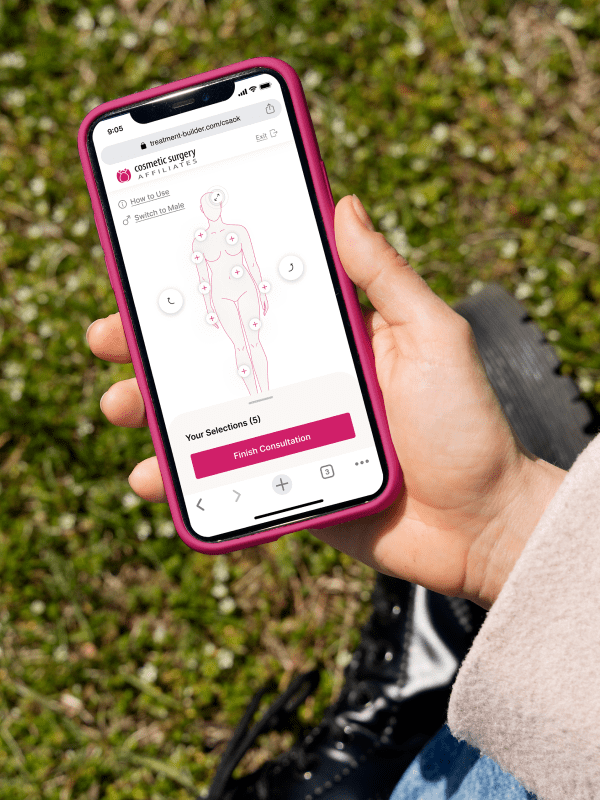
Appetite usually drops within the first weeks. The number on the scale moves more slowly, and meaningful change builds over months rather than days.
MEDICAL WEIGHT LOSS
Medically Supervised, Sustainable Weight Loss
A supervised program that pairs GLP-1 medication with coaching on lasting habits. Every plan starts with a medical evaluation, because these medications are not appropriate for everyone.
Treatment Highlights
Visit Time About 20 minutes
Frequency Weekly injections
Downtime None
SUPERVISED GLP-1 PROGRAM
If diet and exercise alone have not been enough, a medically supervised program may be the missing piece. The medication is one part of the plan rather than the whole plan.
Your plan comes down to whether you qualify medically, which medication suits your health history, and what the maintenance path looks like once you reach your goal. That last question matters more than most patients expect, and it is worth discussing at the start rather than at the end.
What Is Medical Weight Loss?
Medical weight loss is a supervised program that pairs prescription GLP-1 medication with personalized coaching to help you build healthy, lasting habits. These medications work by mimicking a natural hormone your body releases when you feel full. They help reduce appetite and cravings and slow digestion, making it easier to eat less without feeling deprived, so weight loss happens gradually and steadily.
This program is built for:
- Weight that has not responded to diet and exercise
- Appetite and cravings that undo good intentions
- Weight-related conditions such as high blood pressure
- Regaining weight after every previous attempt

What the Program Includes
The injection gets the attention, but it is one of three parts, and the other two are what determine whether your results last.
Medical Evaluation
A provider reviews your health history, medications, and goals before anything is prescribed.
Why It Matters
Confirming the treatment is safe and appropriate for you.
Weekly Medication
A weekly injection that reduces appetite and cravings, taking only minutes.
Why It Matters
Making a calorie deficit feel manageable.
Habit Coaching
Guidance on nutrition and activity alongside the medication.
Why It Matters
Keeping the weight off after the program ends.
Programs that hand out medication without screening or follow-up are the ones patients tend to regret. All three parts belong together.
YOUR MEDICATION
Semaglutide or Tirzepatide?
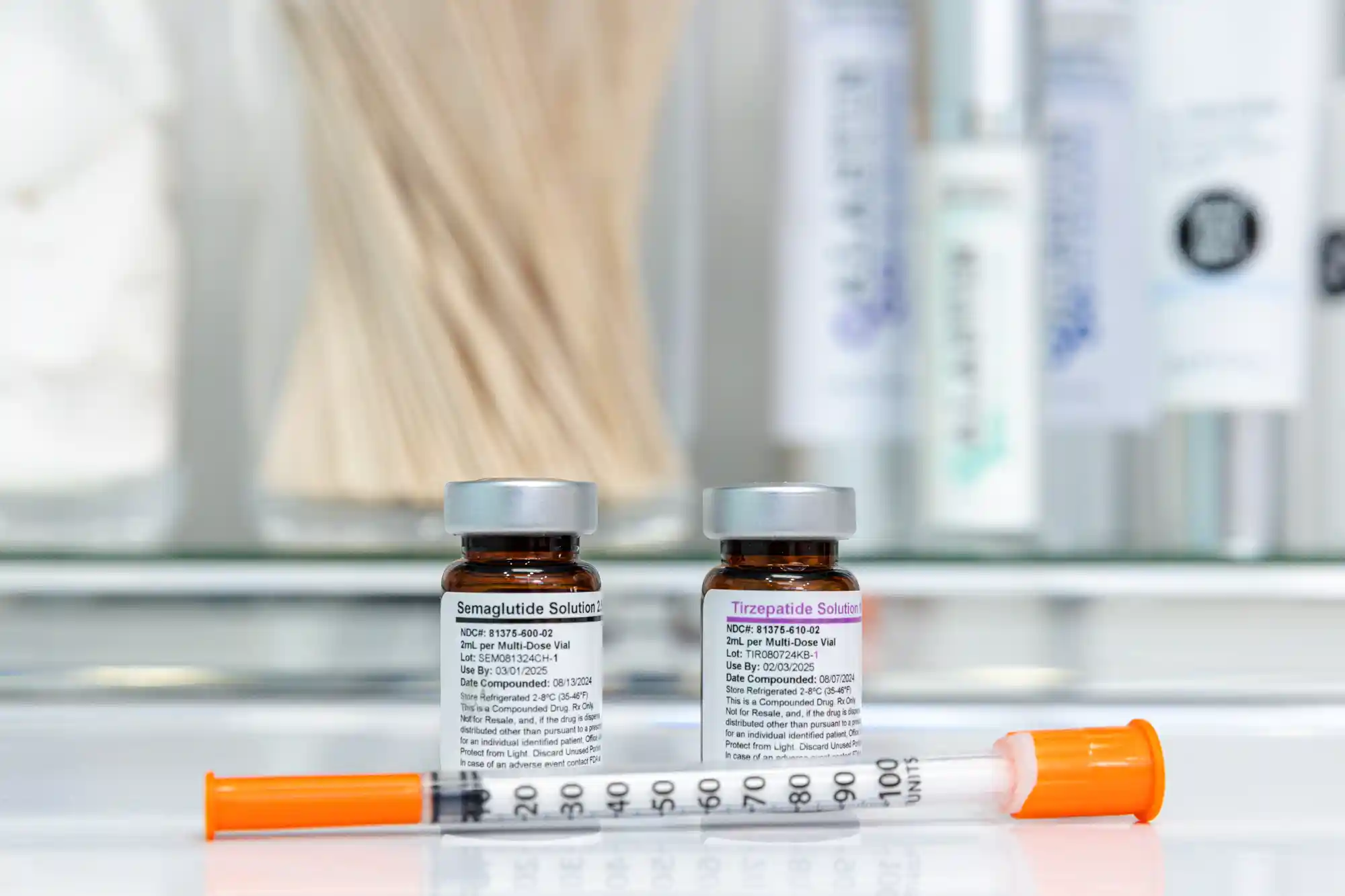
- Semaglutide
One Hormone Pathway
Semaglutide acts on the GLP-1 pathway to signal fullness and slow digestion. It is the more established of the two, with a long track record, and it works well for a great many patients.
- Tirzepatide
Two Hormone Pathways
Tirzepatide acts on GLP-1 and on a second pathway called GIP, which can mean greater appetite control for some patients. Your provider recommends one based on your health history, your goals, and how your body responds, and switching is possible if the first choice is not the right fit.
What Happens When I Stop?
This is the question worth asking before you start, and it deserves a straight answer. These medications work while you take them, so appetite generally returns when you stop, and weight can come back with it.
That is exactly why coaching is part of the program from day one rather than an afterthought. The months on medication are an opportunity to build eating and activity patterns that hold on their own. Some patients continue on a maintenance approach with their provider instead, and that is a legitimate choice rather than a failure. We will plan for the long term with you, not just for the months you are losing.

WHAT TO EXPECT
01
CONSULTATION
You meet with a provider to discuss your goals and health history and confirm whether you are a candidate.

02
CARE PLAN
Together you build a plan, including the right medication, your coaching schedule, and a realistic timeline.

03
TREATMENT
Your weekly injection takes only minutes, and your provider monitors your progress and adjusts as needed.
04
MAINTENANCE
As you reach your goals, we focus on the habits and the plan that keep the weight off long term.

IS IT RIGHT FOR YOU
Am I a Good Candidate?
These medications are intended for adults who meet medical criteria for weight management, generally a BMI of 30 or higher, or 27 or higher alongside a weight-related condition such as high blood pressure or type 2 diabetes. They are not right for everyone. At your consultation a provider reviews your health history, your current medications, and your goals to confirm whether this is a safe and appropriate option for you, and will tell you if it is not.


YOUR PROGRESS
YOUR RESULTS TIMELINE
Appetite changes arrive early, but the weight comes off gradually, and that is the healthier pattern rather than a slower one.
01
FIRST FEW WEEKS
Most patients notice reduced appetite and fewer cravings. Any digestive side effects usually settle in this window.
02
FIRST FEW MONTHS
Steady, gradual weight loss builds as your provider monitors progress and adjusts your plan.
03
ONGOING
Coaching shifts toward the eating and activity patterns that will hold on their own.
04
AT YOUR GOAL
You and your provider decide between stepping down and continuing a maintenance approach.
PLANNING AHEAD
Planning Your Treatment
There is no downtime and no recovery, so this fits around ordinary life. Plan on a weekly injection and periodic check-ins with your provider, which is the rhythm that makes monitoring possible and lets your plan be adjusted rather than guessed at.
Eating smaller portions more slowly makes the early weeks considerably more comfortable, since nausea is usually a response to eating the way you used to. Keep protein up and stay hydrated while you are losing, and expect your appetite for alcohol and rich food to drop. If you have a trip or an event coming up, mention it, because starting a new medication the week before travel is worth avoiding.

Things to Consider
GLP-1 medications are widely used and generally well tolerated under medical supervision, but like any medication they have side effects and they are not suitable for everyone. Your provider will go over everything with you in detail before you start.
-
- Digestive side effects, most commonly nausea, which is usually mild and eases with time
-
- Rare but serious risks, which your provider will review in detail
-
- Constipation, reflux, or fatigue in the early weeks
-
- Not appropriate with certain histories, including medullary thyroid cancer or pregnancy
What About Loose Skin After Significant Weight Loss?
It is common, and it is worth knowing about early. Losing a large amount of weight can leave loose skin on the abdomen, arms, and thighs that no amount of training will tighten, along with stubborn pockets of fat. When your weight has been stable for several months, body contouring such as liposuction or a skin-removal procedure can address it. Because we perform those procedures here, we can plan the timing with you rather than sending you elsewhere.
How Much Weight Can I Expect to Lose?
It varies considerably with your starting point, your medication, and how much the habit side of the program takes hold. Your provider will set a realistic target with you at the outset rather than quoting a headline figure, and will adjust it as your body responds. Steady loss over months is the goal, and it holds better than rapid loss does.
Cost & Financing
Insurance generally covers these medications only when prescribed for a covered medical condition such as type 2 diabetes, rather than for weight loss alone, so most patients are self-pay. We provide clear pricing at your consultation, and financing and membership options can make the program more affordable. We will be straightforward about what your plan is likely to cover.

THE CSA DIFFERENCE
Why Choose Cosmetic Surgery Affiliates for Medical Weight Loss?
Offices in Oklahoma City and Jacksonville
This procedure is available at both Cosmetic Surgery Affiliates locations, in Oklahoma City and Jacksonville, Florida. Book your consultation at whichever office is closer to you, and our team will take it from there.
Screened and Monitored
Your program is overseen by our medical team, with evaluation up front and monitoring throughout rather than a prescription and a wave goodbye.
Medication Plus Coaching
We treat weight loss as a long-term change, so the habit work runs alongside the injection from the first visit.
The Next Step, If You Want It
If weight loss leaves you with loose skin, the contouring procedures that address it are performed here too.
Every program is overseen by our medical team, with your eligibility, medication, and monitoring plan confirmed with you before you begin.
Medical Weight Loss FAQs
Often yes, once your provider has walked you through it. Some patients prefer coming in weekly, and either is workable.
In moderation, though many patients find they want it less. Alcohol can worsen nausea and adds calories that work against the program.
Bring the details, including which medication and what happened. Prior experience is useful information, and it often shapes which option your provider recommends.
Look for a medical evaluation before any prescription, ongoing monitoring by a provider, and honest discussion of side effects and what happens when you stop. Any program skipping those is selling a medication rather than treating you.
Very little. The needle is small and the injection goes into fat just under the skin, and most patients describe it as a pinch that is over quickly.
Tell your provider rather than pushing through it. Adjusting how you eat helps a great deal, and there are other levers available, including changing medication.
You do not have to, but you will keep more muscle and hold your result better if you do. Strength work matters most, since losing weight quickly can cost muscle along with fat.
No. This is a medication and coaching program with no surgery and no downtime. Bariatric surgery is a different path with different criteria, and we do not perform it here.
READY WHEN YOU ARE
Ready to See What Is Possible?
Ready to start a medically supervised plan? Schedule a consultation to find out whether this is right for you.