A septoplasty fixes breathing inside the nose. A rhinoplasty reshapes the outside. Done together in one surgery, they are called a septorhinoplasty.
SEPTOPLASTY
Breathe More Easily
A septoplasty straightens the wall between your nasal passages to open the airway. It is an internal procedure aimed at how you breathe rather than how your nose looks, and it is often medically necessary.
Treatment Highlights
Treatment Time: 1 to 2 hours
Anesthesia IV sedation or general
Congestion About 1 to 2 weeks
DEVIATED SEPTUM REPAIR
If you struggle to breathe through your nose, especially on one side, a deviated septum may be the cause. Most patients arrive after years of sprays and strips that never fixed the structural problem underneath.
A septoplasty straightens the wall between your nasal passages to open the airway. It is an internal procedure aimed at how you breathe rather than how your nose looks, and it is often medically necessary.
What Is a Septoplasty?
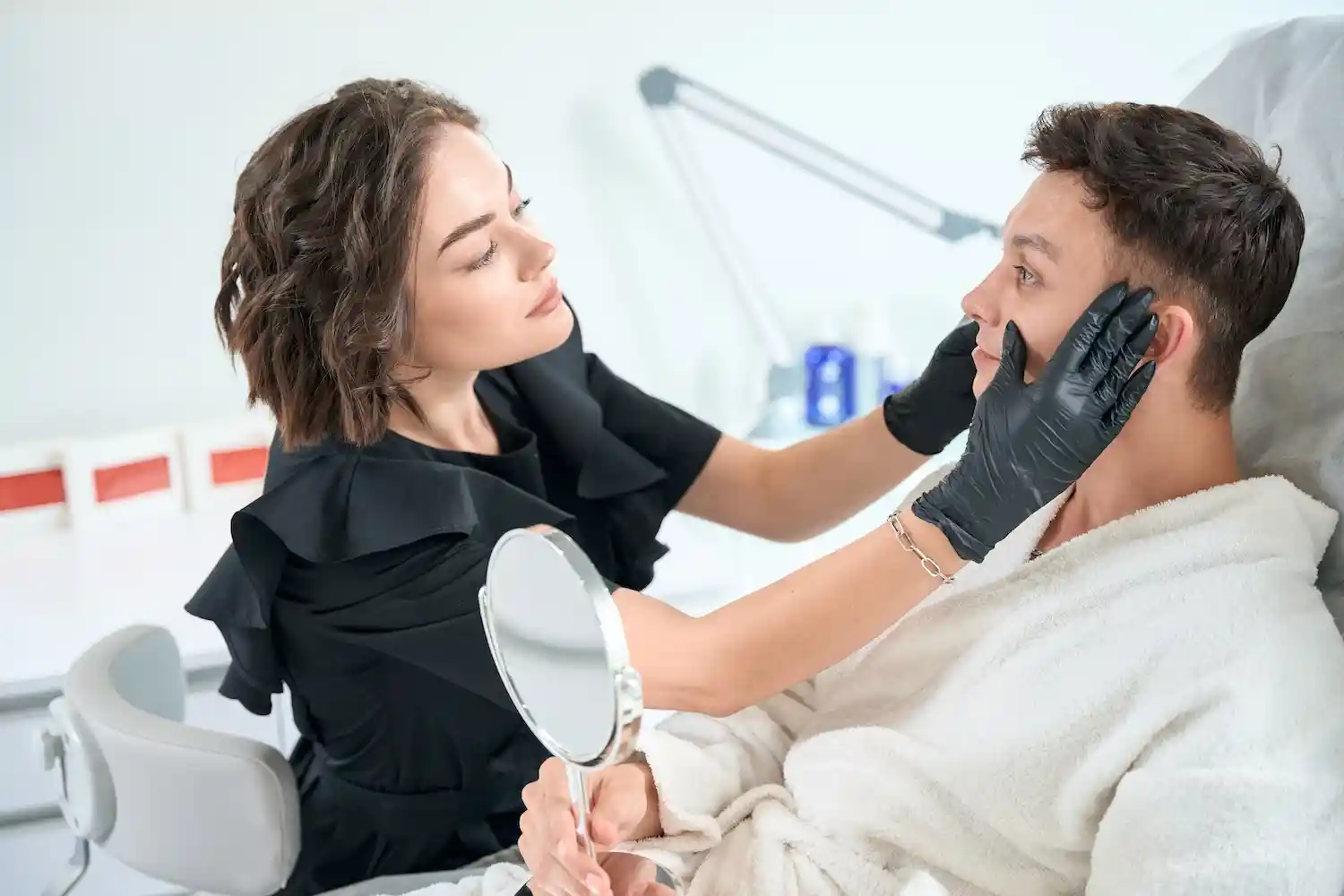
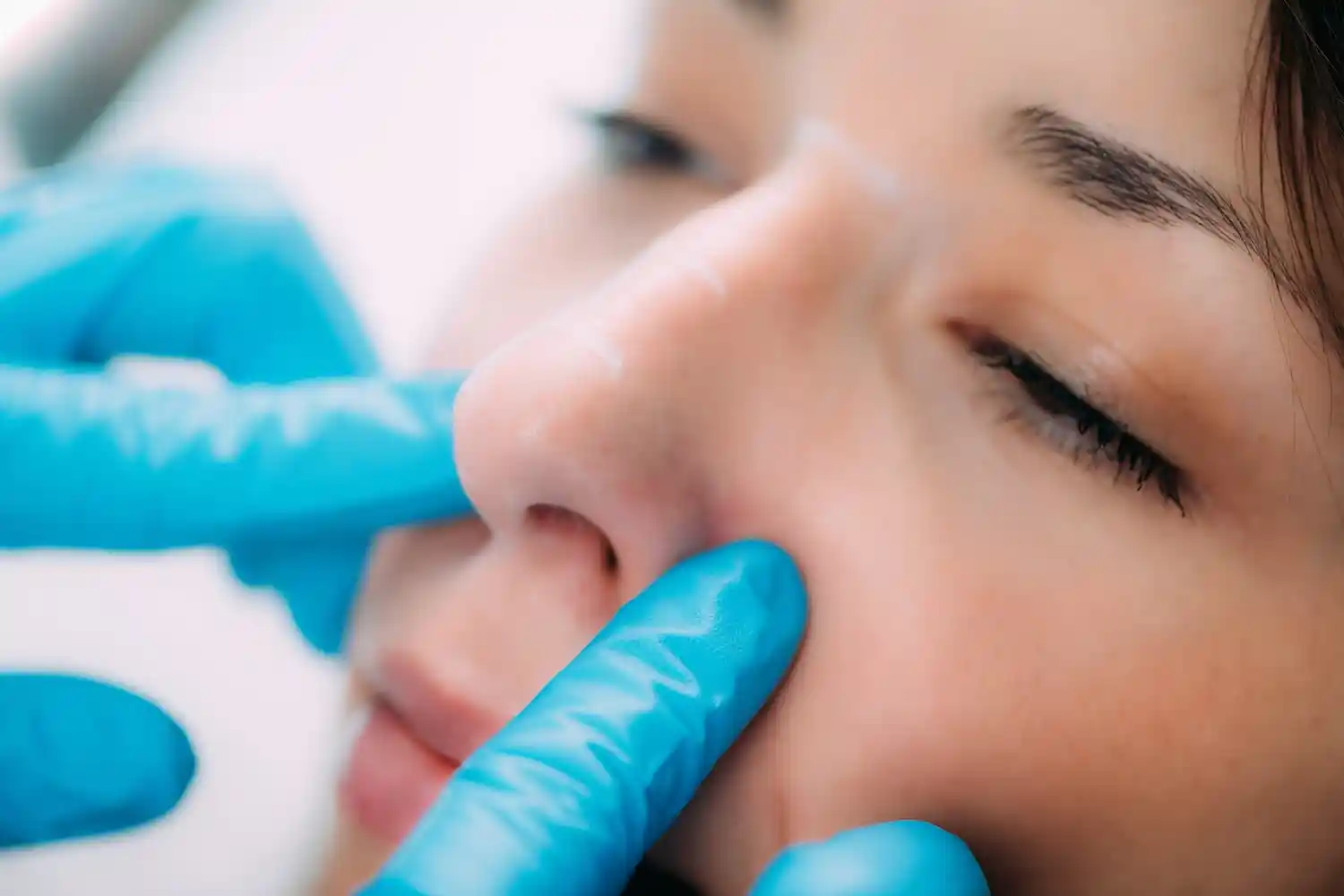
The septum is the wall of cartilage and bone that separates your two nasal passages. When it sits crooked or off-center, it can block airflow on one side or both. A septoplasty straightens and repositions it to clear the airway. Your surgeon works entirely through the nostrils, so there is no external incision and no change to the outside of your nose.
You may have a deviated septum if you experience:
- Trouble breathing through your nose, often worse on one side
- Chronic congestion that sprays do not fix
- Loud snoring or poor-quality sleep
- Recurring sinus infections or facial pressure
- Frequent nosebleeds or a habit of mouth-breathing
Septoplasty, Rhinoplasty, or Both?
These procedures get confused constantly, and the difference is simple once you see it laid out. One is about function and one is about appearance.
Septoplasty
Straightening the septum inside the nose to open the airway.
Best For
Breathing problems. Your outward appearance is unchanged.
Rhinoplasty
Reshaping the outside of the nose for better balance and proportion.
Best For
Cosmetic concerns such as a hump, width, or the tip.
Septorhinoplasty
The airway corrected and the outside reshaped in one surgery.
Best For
Patients who want to breathe better and change the shape.
Because our surgeons perform both, breathing and appearance can be addressed in the same operation rather than two separate ones.
SNORING AND SLEEP
Does a Septoplasty Fix Snoring or Sleep Apnea?
- Snoring
Often Improved
A deviated septum can contribute to snoring and restless sleep, and opening the airway frequently improves both. Many patients notice the difference in how rested they feel within weeks.
- Sleep Apnea
Rarely a Cure on Its Own
Sleep apnea usually has more than one cause, so a septoplasty alone often will not resolve it, and we will not tell you otherwise. If you have or suspect apnea, we coordinate the right evaluation so your breathing is treated completely rather than partially.
Will It Change How My Nose Looks?
Usually not, and for most septoplasty patients that is the point. The work happens inside, so your outward appearance stays as it is.
In some cases, correcting the structure means adjusting or grafting cartilage, and that can subtly affect the shape. We will tell you at your consultation if your case is one of those, so it is never a surprise afterward. If you would actually welcome a cosmetic change, we can combine your septoplasty with a rhinoplasty instead.
WHAT TO EXPECT
01
CONSULTATION
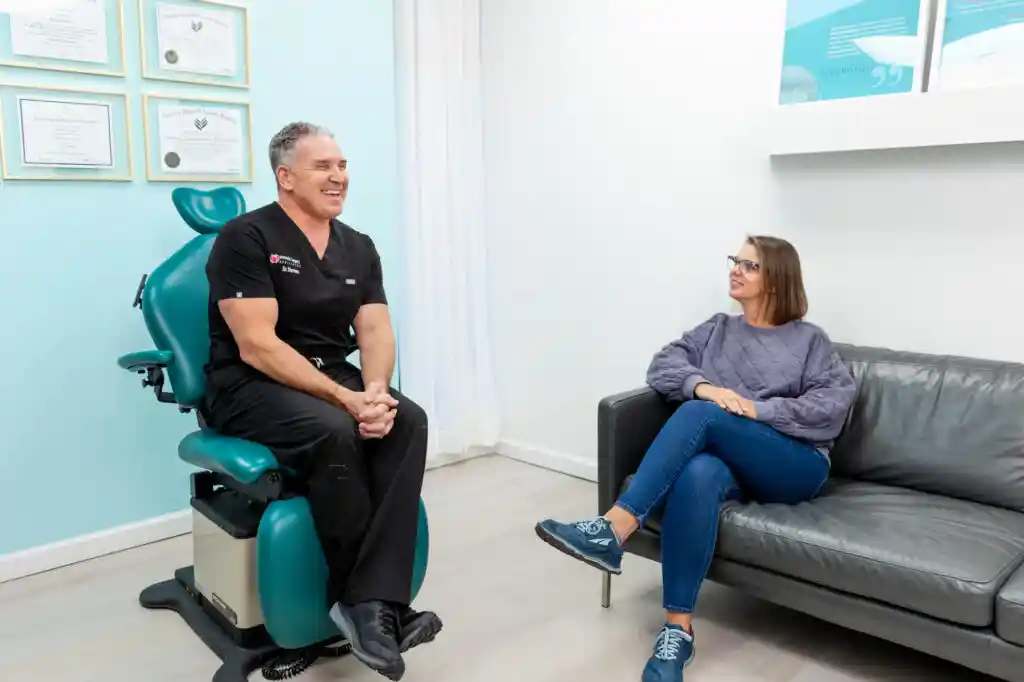
Your surgeon examines the inside of your nose, reviews your symptoms, and confirms whether a deviated septum is the cause.
02
PREPARATION
You arrive with a clean face, remove any nose piercings, and follow your pre-care instructions.
03
SURGERY
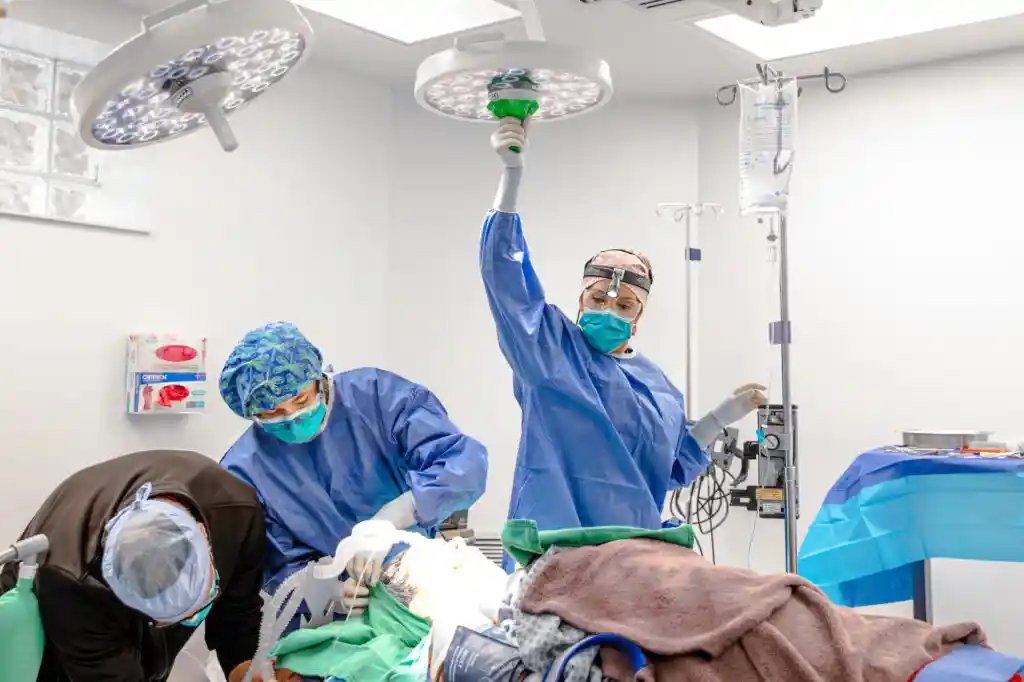
Working through the nostrils with no external incision, your surgeon straightens and repositions the septum.
04
RECOVERY
You go home the same day with instructions to keep your head elevated and avoid any pressure on your nose.

IS IT RIGHT FOR YOU
Am I a Good Candidate?
You may be a good candidate if you have ongoing breathing problems, congestion, or disrupted sleep from a deviated septum that has not improved with medication or nasal sprays. Plenty of people have a mild deviation and no symptoms at all, and those patients do not need surgery. A consultation that includes an exam of the inside of your nose is what confirms whether a septoplasty will actually help you, and we would rather tell you it will not than operate for no reason.


HEALING
YOUR RECOVERY TIMELINE
This is surgery, and the recovery is real even though nothing shows on the outside. Congestion is the main event, and here is what to expect.
01
FIRST FEW DAYS
Your nose feels congested and stuffy as it heals inside. Rest with your head elevated and do not blow your nose.
02
ABOUT 1 WEEK
Any internal splints are typically removed, and the congestion starts to ease noticeably.
03
1 TO 2 WEEKS
Most patients return to normal activity. Hold off on strenuous exercise until your surgeon clears you.
04
SEVERAL WEEKS
Internal swelling fully settles and the improvement in your breathing becomes clear.
PLANNING AHEAD
Planning Your Procedure and Time Off
A septoplasty is an outpatient procedure, so you go home the same day and should arrange a ride. Plan on about a week of feeling genuinely stuffy and low-energy, then another week of gradual improvement. Because nothing shows externally, patients often schedule too little time off, and that is the mistake to avoid.
Do not blow your nose, and sneeze with your mouth open while things heal. Sleep with your head elevated, skip contact sports and anything that risks a hit to the nose for several weeks, and expect your sense of smell to be dulled until the swelling comes down. If you are timing this around travel or a season of the year when your congestion is usually worse, tell us at your consultation.

Things to Consider
A septoplasty is safe and very common, and like any surgery, there are a few things to keep in mind. Your surgeon will go over each one with you before you decide.
-
- Congestion and mild discomfort while the inside heals
-
- Minor bleeding, which is usually short-lived
-
- Temporary numbness of the upper teeth or the tip of the nose
-
- Rarely, a small hole in the septum or an incomplete correction
Could Insurance Cover My Septoplasty?
Often, yes. Because a septoplasty corrects a structural problem that affects your breathing, it is frequently considered medically necessary rather than cosmetic. Coverage usually requires documentation of your symptoms and of the deviation itself. Tell us at your consultation and our team can help you gather and submit what your insurer asks for.
How Long Do the Results Last?
Long-lasting, and often permanent. Once the septum is straightened and healed, the improvement in your breathing should stay, though a significant new injury to the nose could change that. Most patients breathe more easily for years without any further treatment.
Cost & Financing
Because a septoplasty is often medically necessary, a significant portion of the cost may be covered by insurance, and we can help you check your plan and submit documentation. For any portion not covered, or if you choose to combine it with a cosmetic rhinoplasty, we provide personalized pricing after your consultation. Financing options are available.
THE CSA DIFFERENCE
Why Choose Cosmetic Surgery Affiliates for Your Septoplasty?
Offices in Oklahoma City and Jacksonville
This procedure is available at both Cosmetic Surgery Affiliates locations, in Oklahoma City and Jacksonville, Florida. Book your consultation at whichever office is closer to you, and our team will take it from there.
Breathing and Appearance Together
A general ENT can straighten your septum. Our surgeons can do that while deliberately preserving or refining how your nose looks in the same procedure.
Honest About What It Fixes
We will tell you plainly when a septoplasty is unlikely to resolve your snoring or apnea on its own, rather than letting you expect more than it delivers.
Help With Your Insurance
We know what insurers ask for on a medically necessary nasal procedure and help you assemble the documentation rather than leaving you to it.
Every septoplasty is performed by a board-certified surgeon in an accredited surgical facility, with your surgical plan and any grafting confirmed with you before the day of surgery.
Septoplasty FAQs
Both can perform a septoplasty. A cosmetic surgeon can also preserve or refine the appearance of your nose at the same time, which matters if grafting is involved.
Possibly. Surgery fixes the structural blockage but does not treat allergies, so patients with both often still use a spray or antihistamine, just with a clearer airway to work with.
Yes, and it frequently is when both a deviation and chronic sinus problems are contributing to your symptoms. Combining them means one recovery.
Look for board certification, an accredited surgical facility, and a surgeon comfortable with both functional and cosmetic nasal work, so grafting decisions do not compromise your appearance. Ask how they handle insurance documentation.
The cartilage itself does not usually shift on its own, but symptoms can worsen as allergies, aging, or a later injury add to the blockage. Many patients notice it more in their thirties and forties.
Expect nasal congestion for about one to two weeks as the inside heals, with most patients back to normal activity within that window.
Often not. When internal splints are used they are soft and removed at about a week, and modern technique has largely moved away from the uncomfortable packing patients hear about.
Not at first, because internal swelling and congestion mask the improvement for a week or two. Most patients notice the real difference as that settles.
READY WHEN YOU ARE
Ready to See What Is Possible?
Ready to breathe more easily? Schedule a consultation to find out whether a septoplasty is right for you, and whether your insurance may help.