

You’ve made your decision and your breast augmentation consultation is booked. The next question is usually about what comes after surgery. Recovery from breast augmentation follows a fairly predictable timeline, and knowing that timeline ahead of time makes the weeks following your procedure much easier to plan for. Here’s what to expect.
In this case, you are not alone. According to ISAPS’ 2024 Global Survey, breast augmentation is the third most commonly performed cosmetic surgical procedure worldwide, with the majority of breast augmentations (54%) performed on patients aged 18 to 34.
This article covers everything you need to know: what the first 24-48 hours after surgery feel like, how your implant placement affects your pain, a week-by-week activity roadmap, and when you’ll finally see your results. By the end of this article, you’ll have the clarity to prepare confidently for your recovery.
Five Things to Know Before Your Breast Augmentation Recovery
- While you’ll likely return to desk work in seven to ten days, your full results (the “drop and fluff” process) develop over three to six months.
- Modern pain management protocols, such as long-acting nerve blocks and multimodal approaches, significantly reduce acute discomfort compared to older methods.
- Walking is required from day one to improve circulation, but you cannot lift anything over 10 pounds (including children) for the first several weeks.
- You’ll need to sleep on your back in an elevated position for four to six weeks to prevent implant shifting and ensure symmetry.
- Asymmetry and “high-riding” implants are normal parts of the healing process, not permanent issues.
What Will Your Immediate 24 to 48 Hour Recovery Feel Like?
The first two days after breast augmentation are the most unfamiliar part of the entire experience. Your chest will feel tight and heavy, like someone placed a weighted blanket directly on your ribs. If your implants were placed under the muscle, you’ll notice deep soreness rather than sharp pain, which catches most patients off guard in a good way.
You’ll need a designated driver to take you home, and here’s a tip that makes the car ride more comfortable: tuck a small pillow between the seatbelt and your chest. It absorbs the pressure and keeps the belt from pressing directly against your incisions. Once home, nausea from anesthesia is common. Bland snacks like crackers and ginger tea help settle your stomach.
Many surgeons recommend what patients call the “T-Rex Arms” protocol for the first 48 hours: keep your elbows tucked close to your sides. This minimizes pectoral muscle engagement and reduces discomfort, especially with submuscular placement. You won’t be reaching for high shelves or pulling open heavy doors, so stock your kitchen counter and nightstand with everything you’ll need on the day of surgery.
How Does Your Implant Placement Affect Your Recovery Pain?
Not all breast augmentation recoveries feel the same, and the biggest variable is where your surgeon places the implant. If you’re wondering why your friend bounced back in three days while your coworker needed a full week, implant placement is almost always the answer.
Subglandular placement (over the muscle) involves less tissue disruption, so the primary sensation is skin tightness and incision stinging. Most patients find that acute discomfort eases within several days, and they’re back at a desk within three to five days.
Submuscular placement (under the muscle) creates a deeper, more muscular soreness because the pectoral muscle is stretched to accommodate the implant.
According to the American Society of Plastic Surgeons, most patients are off strong pain medications within three to five days after surgery, with submuscular patients trending toward the longer end of that range.
| Placement Type | Primary Sensation | Acute Pain Duration | Return to Desk Work |
|---|---|---|---|
| Subglandular (Over Muscle) | Skin tightness, incision stinging | Several days | 3 to 5 days |
| Submuscular (Under Muscle) | Deep muscle soreness, heavy pressure | 5 to 7 days | 5 to 7 days |
Here’s the good news. Regardless of placement, day three is often the peak of discomfort, and things improve rapidly after that. Modern pain management makes a real difference here.
Research from multiple peer-reviewed studies confirms that multimodal approaches, combining anti-inflammatories, muscle relaxants, and long-acting nerve blocks, which can provide relief for up to 72 hours, significantly reduce postoperative opioid consumption and improve patient comfort.
If you’d like to understand all the risks and how we minimize them, see our breast augmentation safety guide.
Either way, what makes the biggest difference isn’t just placement. It’s having a surgical team that prepares you for exactly what to expect and checks in on you throughout. Anita experienced that firsthand,
“Extremely happy with my experience with CSA. Megan, Stephanie, Amber, Hannah, and Candace have provided exceptional care and information regarding my surgery and recovery. Dr Nuveen performed an incredible surgery. Even though I’m less than two weeks post-op, I’m so happy with the results. Thank you so much!”
What Does Your Week-by-Week Recovery Timeline Look Like?
Your breast augmentation recovery time will follow a predictable pattern, even though everybody heals a little differently. Think of this roadmap as your general guide, not a rigid schedule. Your surgeon will adjust timelines based on how you’re progressing at each follow-up appointment.
| Recovery Phase | Activity Level | Restrictions | Milestones |
|---|---|---|---|
| Week 1 | Walking (required from day one) | No lifting over 10 lbs, no driving, no arms overhead | First shower (usually 48 hrs post-op) |
| Weeks 2 to 3 | Light daily tasks, desk work OK | No heavy lifting, no high-impact cardio | Swelling peaks then begin to subside |
| Weeks 4 to 6 | Brisk walking, lower body exercises | No chest exercises, no underwire bras | Implants begin settling (“drop”) |
| Month 3+ | Full activity (unless specified) | None, confirm with the surgeon | Final results visible; “fluff” complete |
The first week is the hardest, and it’s okay to feel frustrated. You’re used to being independent, and suddenly you need help washing your hair or opening a jar. That frustration is temporary. By week two, most patients notice a dramatic shift in how they feel, and light activities like short walks and desk work become comfortable again.
The question patients ask most often is “When can I exercise after breast augmentation?”
Lower body exercises are typically cleared around weeks four to six. Chest-specific exercises, like push-ups and chest presses, usually require waiting until month three. Your surgeon will give you the green light based on your healing, not the calendar.
What Is Drop and Fluff, and Why Do Your Implants Look High?
If you look in the mirror a week after surgery and think, “these don’t look right,” take a breath. That reaction is one of the most common emotional moments in the entire recovery process, and it’s almost always temporary.
Right after surgery, implants sit higher on the chest because the surrounding muscle and tissue haven’t relaxed yet. Over the next three to six months, gravity and tissue relaxation gradually allow the implants to settle into the pocket your surgeon created. Surgeons and patients call this process “drop and fluff.” The “drop” is the implant moving downward into its natural position. The “fluff” is the skin on the lower breast pole expanding, creating that round, natural curve at the bottom. According to the American Society of Plastic Surgeons, the entire drop and fluff process can take three to six months to complete.
It’s also completely normal for one breast to settle faster than the other. Differences in tissue elasticity, muscle tightness, and natural anatomy mean your two sides rarely heal at the same pace. The position you see in the operating room is the highest point, and everything improves from there.
When Can You Sleep on Your Side or Stomach Again?

This might be the question that frustrates patients the most, especially side sleepers. For the first four to six weeks, you’ll need to sleep on your back in an elevated position. A wedge pillow or recliner chair makes this much more manageable than stacking regular pillows, which tend to shift overnight.
The reason matters: sleeping on your side too early puts lateral pressure on the implant, which is why sleeping in the correct position helps your implants settle symmetrically and supports optimal healing.
- Weeks 1 to 6: Back sleeping only, elevated with a wedge pillow or recliner
- Around week 6: Side sleeping usually clears with a supportive bra (confirm with your surgeon)
- Month 3+: Stomach sleeping gradually reintroduced for most patients
If you’re a dedicated side sleeper, invest in a quality wedge pillow before surgery. Patients who prepare for this adjustment beforehand report much less frustration than those who try to figure it out on night one.
How Should You Care for Your Incisions to Minimize Scarring?
Scars are a part of recovery that extends well beyond the first few weeks, and understanding the timeline helps manage expectations. Your incision scars will appear red and raised initially, which is completely normal. According to the ASPS, scars can improve and fade over a period of up to two years, with the most noticeable improvement happening in the first 12 to 18 months.
The gold standard for scar treatment is silicone therapy, either sheets or gel, combined with strict sun protection. An international panel of scar management experts published in PubMed confirmed that silicone-based products are the recommended first-line option for both prevention and treatment of scars. Here’s what a solid scar care routine typically looks like:
- Weeks 1 to 4: Keep incisions clean and dry. No creams or gels until your surgeon clears you. Follow all wound care instructions closely.
- Weeks 4 to 6: Once the wound is fully closed, begin silicone therapy (sheets or gel) as directed.
- Months 2 to 12: Continue silicone therapy consistently. Apply broad-spectrum SPF to the scar area whenever it’s exposed to sunlight.
- Up to 2 years: Scars continue to fade and flatten. Patience is key.
At Cosmetic Surgery Affiliates, we offer medical-grade skincare products to support your skin’s healing every step of the way, including trusted brands like SkinMedica, Neova, Alastin, and SkinCeuticals. Your surgeon will recommend specific products based on your skin type and incision location so you’re never left guessing.
What Risks and Warning Signs Should You Watch For?
Reading about potential complications can feel scary. But here’s the thing: understanding what’s normal versus what needs attention is actually one of the most empowering things you can do for your recovery. Most post-op sensations that feel alarming are completely expected.
Random “zap” or shooting pains, for example, are normal nerve regeneration. Your nerves were disrupted during surgery, and as they reconnect, they sometimes fire unexpectedly. It feels strange, but it’s a sign of healing. What isn’t normal is spreading redness, high fever, or sudden one-sided swelling that worsens rather than improves.
Contact your surgeon immediately if you experience any of the following:
- Fever above 101 degrees Fahrenheit
- Severe, worsening pain after day three
- Extreme swelling on one side only
- Red streaks extending from the incision site
- Difficulty breathing or chest pain
- Pus or unusual discharge from the incision
If you’re unsure whether what you’re experiencing is normal, don’t wait. Reach out to our team directly. We’d rather reassure you than have you worry alone. You can always schedule a follow-up or send a message through the patient portal.
And that confidence carries well beyond the operating room.
Karley shared what post-op care actually feels like from the patient side:
“Every time I leave a post-op appointment, I walk out with more confidence than I had walking in. The entire team celebrates my results right alongside me, and it means the world. Choosing this clinic was the best decision I could have ever made.”
What Does Recovery Cost, and How Can You Plan Financially?
We know the financial side can feel stressful, especially when you’re already making a big personal decision. The total investment for breast augmentation recovery goes beyond the surgery fee itself. Think about time off work, potential childcare needs, recovery supplies (compression bra, wedge pillow, medications), and follow-up appointments.
We also offer flexible financing options through Cherry, Alphaeon, and PatientFi. Each partner offers different terms, and you can pre-qualify without affecting your credit score. Many patients find that breaking the cost into monthly payments makes the decision feel much more manageable.
How Can You Choose the Right Surgeon for a Smooth Recovery?
Your surgeon’s skill directly affects your recovery experience. Precise pocket creation and minimal tissue trauma during surgery translate to less swelling, less pain, and faster healing. This isn’t just about the final result. It’s about how comfortable the weeks in between feel.
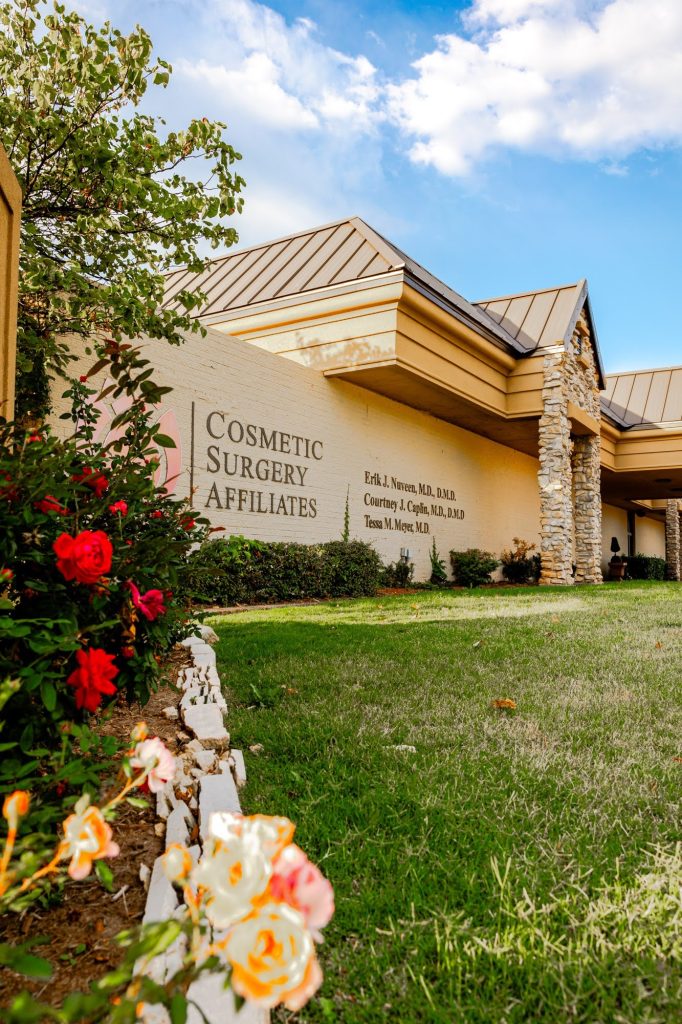
At CSA in Oklahoma City, our board-certified cosmetic surgeons bring over two decades of combined cosmetic surgery experience to every procedure. Their approach focuses on meticulous surgical technique, which minimizes tissue disruption and supports a smoother recovery. During your consultation, we will walk you through exactly what your recovery will look like based on your specific anatomy and implant choice. Our cc and shape guide covers how sizing decisions affect that recovery experience.
| What to Look For | Why It Matters for Recovery |
|---|---|
| Board certification | Demonstrates specialized training in aesthetic procedures and outcomes |
| High volume of breast augmentations | Experienced surgeons create more precise pockets, reducing tissue trauma |
| Detailed pre-op recovery planning | Surgeons who prepare you thoroughly tend to have patients who recover faster |
| Modern pain management protocols | Ask about nerve blocks and multimodal approaches, not just prescriptions |
| Accessible post-op support | Recovery questions don’t wait for business hours; your surgeon’s team should be reachable |
A consultation isn’t just the surgeon evaluating you. It’s equally your chance to evaluate them. Ask about their specific approach to pain management, how many breast augmentations they perform each year, and what their typical recovery timeline looks like. Both in-person and virtual consultations are available, so you can start the conversation wherever feels most comfortable.
The right surgeon doesn’t just perform a great procedure. They actually listen.
Jenny found that out when she came in with a concern:
“I had an amazing experience here with Dr. Tessa Meyer and all the staff! Everyone is so friendly and knowledgeable! I was having issue with my breast implants and they were looking funky! Dr Meyer listened to what my concerns were and what I was wanting and they turned out absolutely perfect! I would 100 percent recommend this place if you’re considering cosmetic surgery!”
What Are Your Next Steps?
If you’ve read this far, you’re already doing the most important thing: preparing. Informed patients consistently have smoother recoveries because they know what to expect and plan accordingly. Here’s a clear path forward.
- Research board-certified surgeons in your area and review their breast augmentation before-and-after galleries.
- Read patient reviews, paying attention to what people say about recovery support, not just results.
- Schedule consultations with two to three surgeons so you can compare approaches.
- Prepare a list of recovery-specific questions: pain management, activity restrictions, and follow-up schedule.
- Take time to reflect on what you’ve learned before making your final decision.
- When you’re ready, schedule your surgery and begin your pre-op preparation.
At Cosmetic Surgery Affiliates, we offer both in-person and virtual consultations so you can start the conversation on your own terms. Whether you’re ready to schedule a consultation or simply want to explore quality breast augmentation surgery, our team is here with honest answers and expert guidance.
Conclusion
Breast augmentation recovery requires patience, especially during the first week. But the timeline is predictable, the discomfort is manageable with modern protocols, and the results develop beautifully over the following months. Success depends on choosing a qualified surgeon, following your post-op instructions carefully, and giving your body the time it needs to heal.
At Cosmetic Surgery Affiliates, working with a top plastic surgeon in OKC OK means we’re partners in your recovery from pre-operative planning to your final check-up. Every patient deserves to feel heard, respected, and confident in their choices. When you’re ready to take the next step, book your consultation with us and let’s build a recovery plan that works for your life.
Disclaimer – This content is for educational purposes only and does not constitute medical advice. A consultation with a qualified board-certified surgeon is required to determine the best treatment plan for your individual needs and any questions you may have about a medical condition or procedure.
Frequently Asked Questions
How long do I need to take off work for breast augmentation?
Most patients with desk jobs return within five to seven days. If your work involves physical labor or heavy lifting, plan for two to four weeks off and get clearance from your surgeon before returning.
When can I drive after surgery?
You can typically drive again about one week after surgery, once you’re off prescription pain medications and can comfortably perform emergency steering and braking.
Do breast implants need to be massaged during recovery?
This varies by surgeon. Some recommend gentle implant displacement exercises to prevent capsular contracture, while others advise against it. Follow your specific surgeon’s instructions rather than the general advice you find online.
When can I exercise again?
Walking starts on day one. Lower body exercises are typically cleared around weeks four to six, and chest-specific exercises like push-ups usually require waiting until month three.
Is it normal for one breast to heal faster than the other?
Yes, and it happens more often than you’d think. Differences in tissue elasticity, muscle tightness, and natural anatomy mean one implant often settles before the other, but both will reach their final position within three to six months.