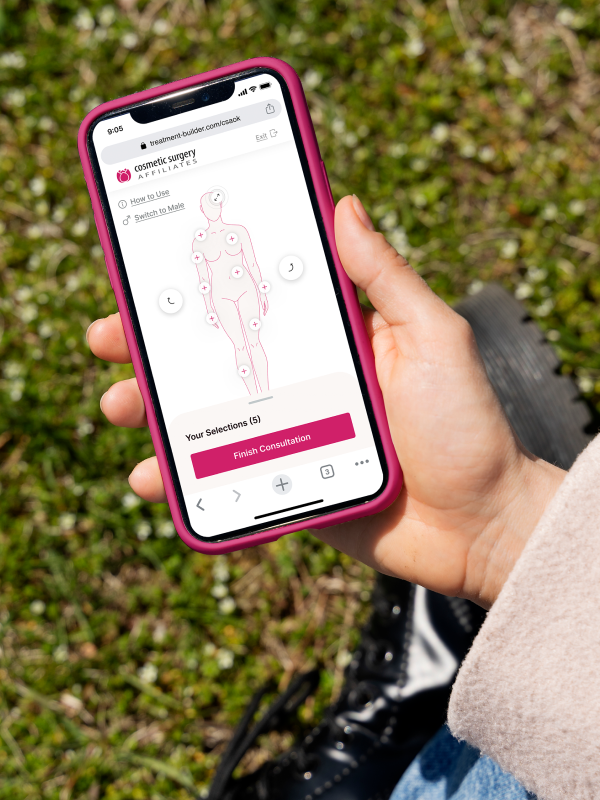


You’ve finally decided to do something about the pocket of fat that won’t budge. Then comes the part nobody warns you about: a search results page with dozens of names, each one promising the smoothest contour and the most natural results. How are you supposed to tell who’s genuinely skilled and who just has a good marketing team?
Liposuction is one of the most requested cosmetic procedures in the world. According to ISAPS, more than 2 million liposuction procedures were performed globally in 2024. With that much demand, the quality of surgeons offering it varies widely, and the person holding the cannula matters far more than the brand of the technology.
The team at Cosmetic Surgery Affiliates in Oklahoma City has spent more than two decades helping patients make this exact decision with confidence. This guide walks you through what to verify and how to read a surgeon’s results when searching for the best liposuction surgeons near me. You’ll also learn what to ask at your consultation, which red flags should give you pause, and how to compare your options before you commit.
Key takeaways
- Board certification is the first filter, not the last. Any licensed physician can legally offer liposuction, so confirming real surgical credentials separates trained surgeons from opportunists.
- A surgeon’s volume and specialization matter. Someone who performs liposuction regularly is better prepared to deliver smooth results and to handle the occasional surprise.
- Before-and-after photos are your single best window into a surgeon’s skill, as long as the photos are standardized and show patients with anatomy and treatment areas similar to yours.
- A good consultation goes both ways. You’re evaluating the surgeon as much as they’re evaluating you, and the right one welcomes your questions instead of rushing past them.
- High-pressure sales tactics, vague credentials, and surprise pricing are warning signs. The best decision usually comes after comparing two or three surgeons, not after the first slick pitch.
What credentials should your liposuction surgeon have?
Start here, because credentials are the one thing you can verify before you ever walk through the door. In most of the United States, any licensed physician can legally perform liposuction, even one with no formal surgical training in it. That single fact is why this step matters so much.
Board certification is your strongest signal that a surgeon trained specifically to operate. A board-certified surgeon has completed years of supervised residency, passed rigorous written and oral examinations, and committed to ongoing standards. Research on body contouring procedures has linked operations performed by surgeons without specialized surgical training to higher rates of complications, which tells you training isn’t a formality. It shows up in outcomes.
You’ll run into two terms while you search: board-certified plastic surgeon and board-certified cosmetic surgeon. Both describe surgeons who completed demanding training and board exams, just through different certifying boards. What matters most is that your surgeon is genuinely board certified, well trained, and experienced in liposuction specifically, not which label appears first in their bio. The same emphasis on credentials is also what protects you against the real risks of the procedure, which our is liposuction safe guide covers in detail.
Here’s what’s worth confirming before you book a consultation.
| What to verify | Why it matters | How to check |
|---|---|---|
| Board certification | Confirms formal surgical training and testing | The certifying board’s online verification tool |
| Years of training | Residency plus fellowship signals depth | The surgeon’s bio and the board’s records |
| Liposuction experience | Skill in this procedure specifically | Ask directly at consultation |
| Facility accreditation | Safer surgical environment and standards | Ask which body accredits their facility |
At CSA, the surgical team is triple board-certified, holding diplomate status with The American Board of Cosmetic Surgery, The American Board of Facial Cosmetic Surgery, and The American Board of Oral and Maxillofacial Surgery. That kind of layered credentialing is rare, and it’s a useful benchmark for the level of training you can look for anywhere you search. Once you’ve confirmed a surgeon is properly credentialed, the next question is how much they actually operate.
How do you evaluate a surgeon’s liposuction experience and specialization?
Credentials get a surgeon in the door. Experience is what separates a good result from a great one. There’s no official minimum number of liposuction cases a surgeon must perform. Still, volume is one of the most reliable signals of skill, since a surgeon who does this often has refined their technique across many different bodies.
Specialization deserves real weight too. A surgeon who treats your specific area regularly has developed a feel for how fat behaves there. Whether it’s the abdomen, the flanks, the arms, or the neck, that familiarity helps them leave a smooth, even contour behind. Frequency builds judgment, and judgment is exactly what you want guiding the cannula, the thin tube used to gently remove fat.
So how do you gauge experience without a medical degree of your own? Ask plainly, and listen for specific answers rather than vague reassurance.
- How often do you perform liposuction, and on which areas of the body?
- How many years have you been doing this procedure specifically?
- Can you walk me through your approach for a treatment area like mine?
- Do you handle revision cases, where a previous result needs correcting?
A surgeon’s answers tell you a lot. Triple board-certified, fellowship-trained cosmetic surgeon Dr. Erik Nuveen, for example, has performed over 26,000 major cosmetic surgeries and serves as an accredited fellowship director, training the next generation of surgeons. You don’t need those exact numbers from every surgeon you meet, but they show what deep, sustained experience can look like.
If you’re weighing surgeons and want a candid read on your options, you can schedule a consultation with a credentialed, high-volume team. It’s a chance to see how that experience translates to your own goals. From there, the most revealing evidence of skill isn’t a number at all. It’s the photos.
How do you read before-and-after photos to judge a surgeon’s skill?
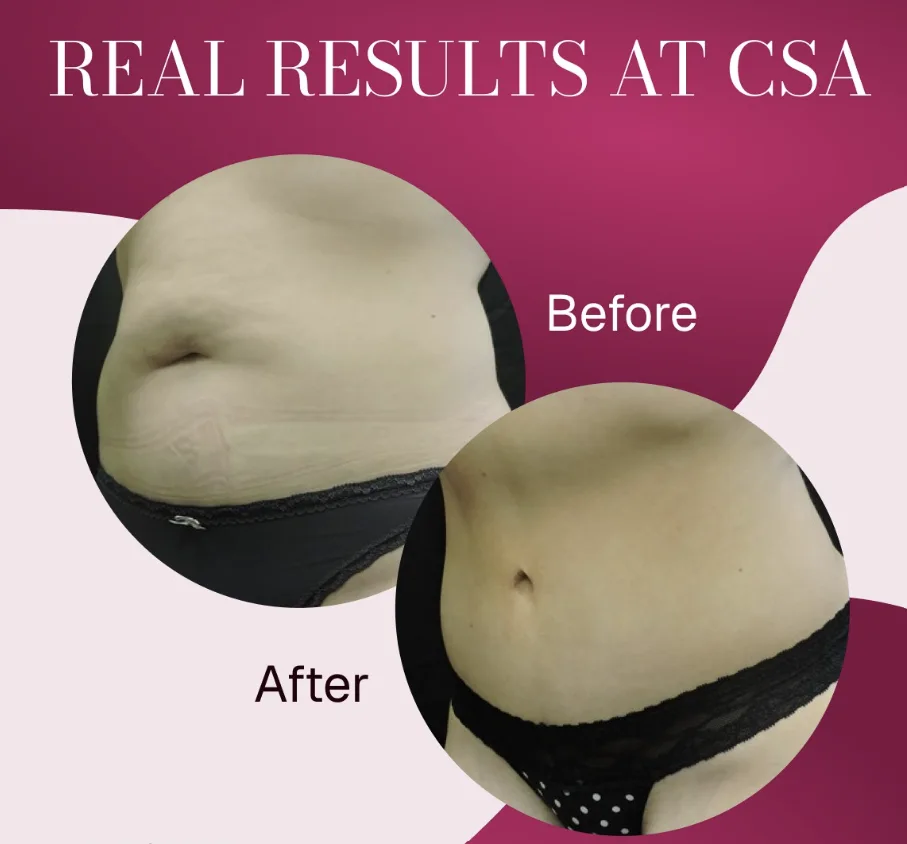
Before-and-after galleries are the closest thing you have to a surgeon’s report card. They show you real outcomes on real people, which is why learning to read them well is worth a few extra minutes. The catch is that not every gallery is presented honestly, so a little skepticism protects you.
The first thing to check is consistency. Trustworthy photos use the same lighting, angle, background, and posture in the before and after shots, so you’re comparing the surgery’s effect and nothing else. One published analysis of surgeon websites found that a large share of before-and-after images failed at least one basic standardization measure, so this is a real and common issue.
Just as important, look for patients whose anatomy and treatment area resemble yours. A flawless result on someone with very different tissue tells you little about what’s achievable for you. Ask how long after surgery the after photo was taken. Swelling can take months to settle, and an early photo can flatter a result that hasn’t finished healing.
| Signs of trustworthy photos | Possible red flags |
|---|---|
| Same lighting, angle, and pose | Different posture or lighting between shots |
| Patients with similar anatomy and goals | Only one flattering body type shown |
| Multiple angles, including the sides | A single carefully chosen angle |
| Clear note of time since surgery | No timeframe given, or suspiciously early |
Smooth, even transitions and natural-looking contours suggest a careful hand, while obvious unevenness or signs of heavy editing are reasons to keep looking. Galleries that hold up to this scrutiny are worth seeking out, like the before-and-after results cosmetic surgeons publish from their own patients. When the photos check out, you can walk into a consultation already knowing the surgeon delivers the outcome you’re after.
What should you ask and look for at your liposuction consultation?
The consultation is where everything you’ve researched gets put to the test in person. Here’s the mindset shift that helps most: this isn’t only a chance for the surgeon to evaluate you. It’s equally your chance to evaluate them. The right surgeon welcomes that and never makes you feel rushed.
A thorough consultation starts with the surgeon actually listening, reviewing your goals, and examining the treatment area. They should also ask about your medical history, medications, and overall health. A good surgeon then explains which technique fits your anatomy, walks you through anesthesia options, and gives you an honest picture of what liposuction can and can’t do for your shape. That honesty matters more than a polished sales pitch.
Come with questions written down so nothing slips your mind. A few worth asking every surgeon you meet:
- Which technique do you recommend for me, and why does it suit my anatomy?
- What accreditation does your surgical facility hold?
- How are complications handled, and who do I call after hours?
- What does the full price include, and are there any separate fees?
- What’s your policy if I’d like a revision down the road?
Pay close attention to how cost is explained. Some surgeons quote a low surgical fee and add anesthesia, facility, and follow-up charges later, so understanding exactly what a quote covers protects you from surprises. At Cosmetic Surgery Affiliates, every surgical price is a single all-inclusive fee covering anesthesia, facility, supplies, and professional fees, and flexible financing is available through PatientFi and Alphaeon. Both in-person and virtual consultations are offered, so you can begin the conversation from home or from anywhere outside Oklahoma City, including Jacksonville.
Krissy, a patient describing what a strong consultation felt like, shared their experience:
“Dr. Nuveen is by far one of the best doctors I’ve ever been to. From the very first consultation, I knew he was the right choice — direct, reassuring, knowledgeable, and genuinely compassionate.”
A consultation that leaves you informed and at ease is a green light. The flip side is just as important to recognize, because some signals should make you pause.
What red flags should make you walk away from a liposuction surgeon?
For all the surgeons who do this work with care, a few warning signs reliably point to trouble. Spotting them early saves you from a decision you’d regret, and none of them require a medical background to notice. Trust your instincts when something feels off.
The biggest red flags tend to cluster around pressure, vagueness, and shortcuts. A surgeon who rushes you, dodges questions about credentials, or quotes a price that seems too good to be true is showing you how they practice.
| Red flag | What it really signals |
|---|---|
| “This price is only good today” | A retail sales tactic, not medical practice |
| Won’t name their specific certifying board | Credentials may not hold up to scrutiny |
| A suspiciously low, non-itemized quote | Surprise fees, or corners being cut |
| Doesn’t ask about your health or medications | Your safety isn’t being properly screened |
| You never meet the operating surgeon | A possible “surgeon swap” on the day |
That last one deserves a closer look. A surgeon swap, sometimes called a “ghost surgery,” is when the person you consulted with isn’t the one who actually performs your operation. You have every right to confirm, in writing, that the surgeon you met is the surgeon who operates on you.
A skilled surgeon is also upfront when a previous result needs fixing, rather than overpromising. That’s why practices that openly offer expert lipo revision surgery tend to inspire more confidence. If a consultation leaves you feeling pressured instead of informed, that’s reason enough to keep looking. Once you know what to avoid, the final step is putting your top candidates side by side.
How do you compare surgeons and make your final decision?

By now you’ve gathered credentials, studied galleries, and sat through one or more consultations. The last step is bringing it all together, and the most reassuring move you can make is simply to meet more than one surgeon. Many surgeons themselves recommend consulting two or three before deciding. Understanding how to choose a plastic surgeon in OKC starts with putting evidence ahead of pitch and knowing what actually predicts a good experience.
Comparing options side by side keeps the decision grounded in evidence instead of a single charismatic pitch. When you line up your candidates, weigh the factors that genuinely predict a good experience, in roughly this order of importance:
- Their before-and-after results on patients similar to you
- Verified board certification and surgical training
- Experience and volume with your specific treatment area
- Facility accreditation and how complications are handled
- How clearly they communicated and how comfortable you felt
- Independent patient reviews across multiple sources
Reviews belong on that list, but with perspective. Research shows that most cosmetic surgery patients consider online reviews important, yet they work best as one input among several rather than the deciding vote. Read for patterns over time, not a single glowing or angry post.
Don’t discount how a surgeon made you feel, either. Clear communication and genuine comfort are consistently among the things patients value most, because you’ll be trusting this person with your body and your recovery. If you’re not confident after the first visit, a second or third consultation is completely normal and often clarifying.
Katie, a patient who compared several practices before choosing, shared their experience:
“CSA was the third cosmetic surgery facility I received a consult from as I had done extensive research on procedures and doctors in the OKC area and out of state. The entire process was so simple.”
When the credentials, the results, and your gut all point the same direction, you’ll know you’ve found the right fit.
Conclusion
Choosing a liposuction surgeon comes down to a sequence you can actually follow: verify the credentials, study the results, ask sharp questions, watch for the warning signs, and compare before you commit. The person performing your procedure shapes both your safety and the result you see in the mirror, which is exactly why this decision deserves the care you’re giving it.
When you’re ready to take that next step, the board-certified cosmetic surgeons at Cosmetic Surgery Affiliates in Oklahoma City are happy to talk it through with you. Every patient deserves to feel heard, respected, and genuinely confident in the choice they make. You can reach out to the team whenever the time feels right.
Frequently asked questions
How many liposuction procedures should my surgeon have performed?
There’s no official magic number, but you want a surgeon who performs liposuction regularly rather than occasionally. Frequent, ongoing experience builds the technical feel needed for smooth, even results. Ask directly how often they perform the procedure and on which areas of the body.
What accreditation should the surgical facility have?
Look for a facility accredited by a recognized organization such as AAAASF, AAAHC, or The Joint Commission. Accreditation means the operating environment meets established safety, staffing, and equipment standards. It’s a fair question to ask at any consultation, and a good surgeon will answer it readily.
How can I independently verify a surgeon’s board certification?
Most certifying boards offer an online verification tool where you can search a surgeon’s name and confirm their status directly. You don’t have to take a website’s word for it. If you’re ever unsure which board certified them, simply ask, and an honest surgeon will tell you without hesitation.
Should I choose the cheapest liposuction surgeon?
Price alone is a risky way to choose. A quote far below the market sometimes hides separate facility or anesthesia fees, or reflects corners being cut on training or safety. Focus on the full value, what the price includes, the surgeon’s credentials, and their results, rather than the lowest number.
What is a surgeon swap, and how do I avoid it?
A surgeon swap, sometimes called a “ghost surgery,” is when the surgeon you consulted with isn’t the one who actually operates on you. To avoid it, ask directly and get written confirmation that your consulting surgeon will perform your procedure. A reputable practice will have no problem putting that in writing.
How important are online reviews when choosing a liposuction surgeon?
Reviews are a helpful piece of the puzzle, but they shouldn’t be your only research tool. Read across several independent sources and look for consistent patterns rather than reacting to one outlier. Pair what you read with verified credentials, real before-and-after photos, and your own consultation experience.
*Disclaimer: This content is for educational purposes only and does not constitute medical advice. A consultation with a qualified board-certified surgeon is required to determine the best treatment plan for your individual needs and any questions you may have about a medical condition or procedure.