
People throw the words “tummy tuck” and “panniculectomy” around like they mean the same surgery. They don’t. The gap between them is bigger than most patients realize.
One reshapes your stomach for a flatter, more toned look. The other is often a medical fix for skin that hangs, chafes, and gets in the way of daily life. Pick the one that doesn’t match your problem, and you can pay out of pocket for a result that misses what you needed.
According to ISAPS, abdominoplasty (the medical name for a tummy tuck) was the fourth most common surgical procedure for women worldwide in 2024, with 945,636 performed. Behind a lot of those decisions is a quieter question: tummy tuck, panniculectomy, or a bit of both?
Our surgeons at Cosmetic Surgery Affiliates in Oklahoma City perform both procedures. They also spend real time helping patients sort out which one fits their body and their goals. This article breaks down how the two surgeries differ, who each one suits, how cost and insurance compare, what recovery looks like, and whether combining them makes sense.
Key takeaways
Short on time? Here’s the gist of how a tummy tuck and a panniculectomy compare, and how to tell which one your situation calls for.
- A tummy tuck removes excess skin and fat, tightens the abdominal muscles, and repositions the belly button. A panniculectomy only removes the heavy apron of hanging skin, called the pannus.
- A panniculectomy suits people whose skin overhang causes rashes, chafing, or mobility issues after major weight loss. A tummy tuck suits those wanting a flatter, firmer contour, especially with separated abdominal muscles.
- A tummy tuck is cosmetic and almost always paid out of pocket, while a panniculectomy may be partly or fully covered by insurance when it’s documented as medically necessary.
- Recovery spans several weeks for both, but the muscle tightening in a tummy tuck adds more early soreness. Both often involve a short-term drain and a compression garment.
- The two procedures can be combined in one surgery or staged over time, and insurance may cover the panniculectomy portion while you pay for the cosmetic tummy tuck part.
What’s the real difference between a panniculectomy and a tummy tuck?
Both surgeries remove loose, hanging skin from your lower belly, so it’s easy to see why they get confused. The real difference is in how far each one goes.
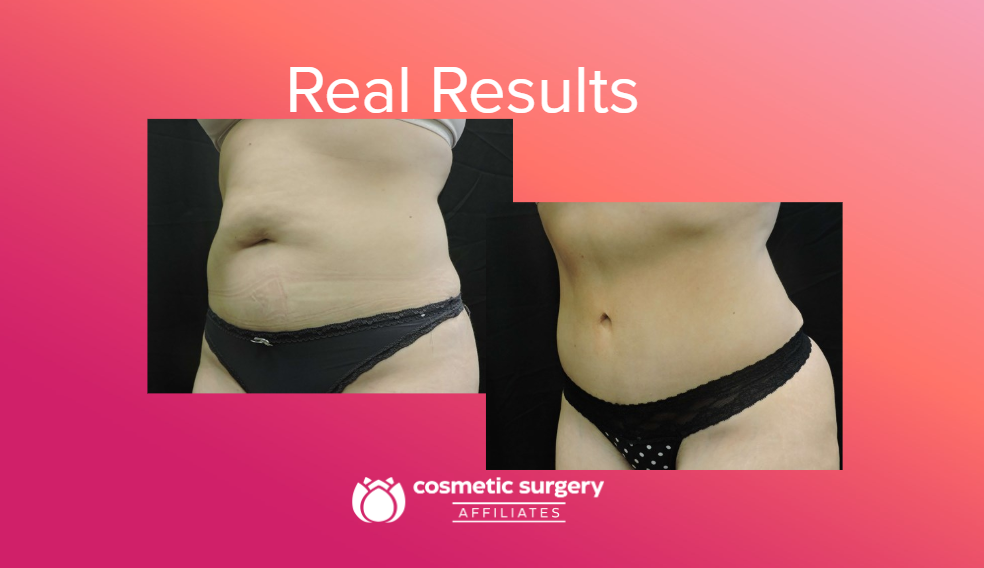
A tummy tuck does three things at once. It removes excess skin, takes out some stubborn fat, and tightens the muscle wall underneath.
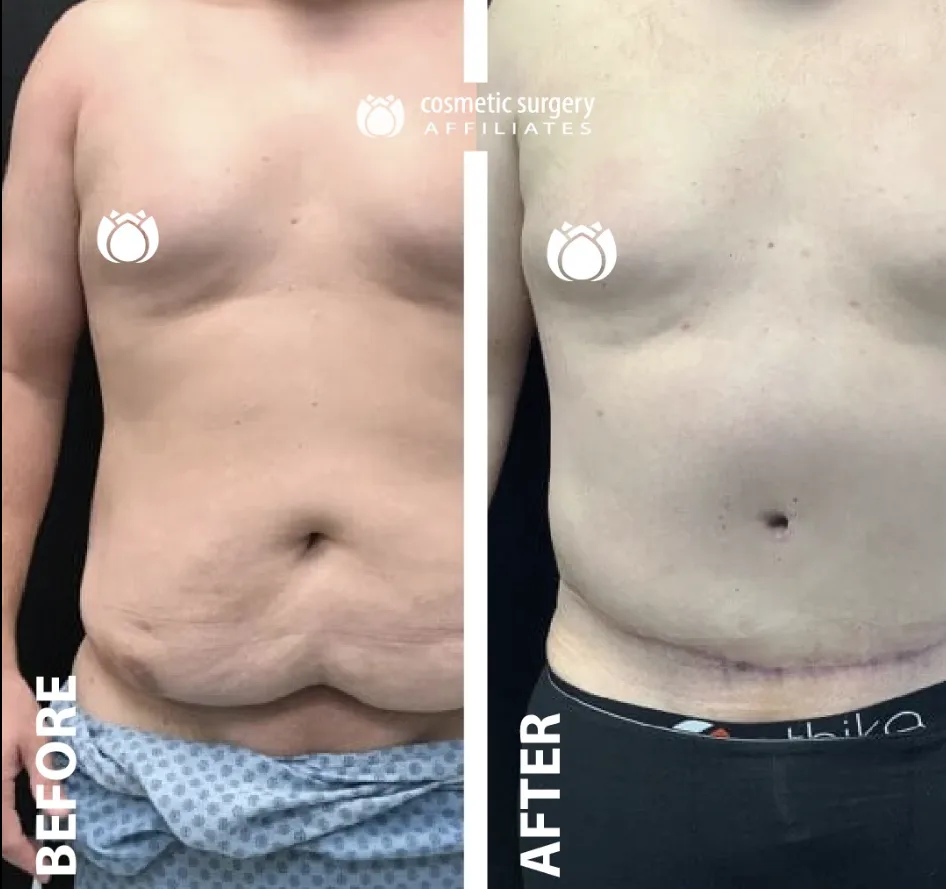
A panniculectomy does one thing. It cuts away the heavy apron of skin and tissue, called the pannus, that hangs over your lower belly. That single distinction shapes almost everything else, from cost to recovery to the final look.
| What to compare | Tummy tuck (abdominoplasty) | Panniculectomy |
|---|---|---|
| What it removes | Excess skin, some fat, and tightens muscle | The hanging skin apron (pannus) only |
| Repairs separated muscle | Yes | No |
| Repositions the belly button | Usually | Usually not |
| Typical goal | Cosmetic contouring and a flatter core | Functional relief from a heavy overhang |
| How it’s classified | Cosmetic | Often medically necessary |
The tummy tuck approach
During a tummy tuck, your surgeon makes a low horizontal opening just above the pubic area. Loose skin and stubborn fat below the belly button come out, and the incision typically runs hip to hip where underwear or a swimsuit can cover it.
The step that sets a tummy tuck apart is muscle repair. If the muscles down the center of your abdomen have stretched apart, a common after-effect of pregnancy called diastasis recti, your surgeon stitches them back together for a firmer core. According to the American Society of Plastic Surgeons, this muscle tightening is exactly what a panniculectomy leaves out. Because the procedure reshapes the whole area, the belly button is usually repositioned so it looks natural afterward.
The panniculectomy approach
A panniculectomy is more focused. Your surgeon removes the pannus, the literal apron of excess skin and fat hanging below your waistline, and nothing more. The muscles aren’t tightened, and the belly button usually stays put.
That narrower scope is the point. A panniculectomy, also called excess skin removal surgery, exists to solve a functional problem rather than to sculpt a contour. If you’ve lost a lot of weight and you’re left with skin that traps moisture, rubs raw, or limits movement, taking that weight off your frame can be a genuine relief. What it won’t do is flatten a soft midsection or fix separated muscles, which is why knowing your own main concern matters first. Reviewing how excess skin removal surgery works in OKC helps clarify who benefits most from the panniculectomy approach specifically.
Am I a better candidate for a panniculectomy or a tummy tuck?
The honest answer starts with one question only you can answer. Is your biggest issue how your stomach looks, or what that hanging skin is doing to your daily life? Your anatomy fills in the rest, and a surgeon confirms it during an exam. If you’re still unsure whether excess skin is really your issue versus stubborn fat, our guide on excess skin or stubborn fat how to tell the difference breaks down the visual and functional signs.
A panniculectomy tends to fit people who’ve been through major weight loss and are left with a skin apron heavy enough to cause real problems. Think recurring rashes in the fold, skin that chafes, or an overhang that makes exercise and hygiene harder.
A tummy tuck tends to fit people at or near a stable goal weight who want a flatter, more toned shape. That’s especially true when pregnancy leaves behind separated abdominal muscles that core work alone can’t close.
Triple board-certified cosmetic surgeon Dr. Erik Nuveen and the rest of the team weigh these factors with you in person. The same loose belly can call for very different plans depending on what’s underneath. A few things help set you up well for either surgery:
- Reaching a weight you can hold steady for at least six months, which protects your final result
- Being a non-smoker, or pausing tobacco before surgery, which supports smoother healing
- Generally good health, so your body has what it needs to recover comfortably
- A clear sense of what bothers you most, so the plan targets the right problem
If you’re not sure which camp you fall into, that’s normal, and it’s exactly what a consultation is for. You can schedule a consultation to have your anatomy assessed and get a candid recommendation about which procedure fits. Knowing where you stand makes the next decision, cost, much easier to think through.
How do the costs and insurance coverage compare?
This is where the two procedures really part ways, and it’s often the deciding factor. We know the money side can feel stressful when you’re already making a big personal decision.
A tummy tuck is considered cosmetic, so health insurance almost never covers it. You plan for it as an out-of-pocket investment. At Cosmetic Surgery Affiliates, with locations in Oklahoma City and Jacksonville, a full tummy tuck, one of the belly plastic surgery options offered, runs $11,000 to $14,000 as a single, all-inclusive fee. That one fee covers anesthesia, the facility, supplies, and your surgeon’s professional fee, an approach the practice has kept for more than 24 years.
A panniculectomy can be a different story. Because it’s often medically necessary, insurance may cover part or all of it when your records show the overhang is causing real functional problems. Plans differ, but coverage usually hinges on criteria like these:
- The pannus hangs at or below the level of the pubic bone
- There’s a documented history of rashes or skin infections under the fold
- Your weight has been stable for a set period, often around six months
- Records show the overhang interferes with daily activity or hygiene
Even when insurance helps, you may still owe deductibles and copays, and any cosmetic portion stays out of pocket. Because the math depends so much on your plan, the most reliable number comes from a personalized review rather than an online estimate. To make either path easier, the practice offers flexible financing through PatientFi and Alphaeon.
Keith, a patient who had excess skin removed from his stomach, shared his experience:
“I had an absolutely amazing experience with Cosmetic Surgery Affiliates in Oklahoma City. I had a procedure to remove excess skin from my stomach, and from the very first consultation through recovery, the entire team made the process smooth, comfortable, and reassuring.”
What’s recovery like after each procedure?
Recovery follows a similar arc for both surgeries, but the muscle work in a tummy tuck changes how the early days feel. Here’s a side-by-side look before we dig in.
| Recovery factor | Tummy tuck | Panniculectomy |
|---|---|---|
| Initial downtime | A few days of rest | A few days of rest |
| Back to desk work | About 1 to 2 weeks | About 2 to 4 weeks |
| Strenuous activity | Around 6 weeks | Around 6 weeks |
| Drains | Common, short-term | Common, short-term |
| Main discomfort driver | Tightened muscles | Size of the skin removed |
After a tummy tuck, most people are up and walking within a couple of days. Standing fully upright takes a little patience while the tightened muscles relax.
That muscle repair is the trade-off for a firmer core. It adds some soreness early on, which is why desk workers usually take one to two weeks off and most wait about six weeks before strenuous activity. Wearing your compression garment as directed helps the swelling settle and your skin re-drape smoothly.
A panniculectomy skips the muscle tightening, so some patients move around a little more comfortably at first. The overall healing window is still similar. Both procedures often use a small drainage tube for a few days to keep fluid from collecting, and both bring swelling and bruising that ease over the following weeks. The first few days can feel frustrating if you’re used to being independent, so lining up a little help at home goes a long way.
To keep costs from adding stress while you heal, it helps to know you can spread payments out. Take a look at the financing options available through PatientFi and Alphaeon to find a plan that fits your budget. Once recovery is behind you, the next thing most people wonder about is how the results hold up.
What are the risks, scarring, and long-term results?
Here’s the reassuring part. Both procedures are well-tolerated, and the vast majority of patients heal without any serious issues. Reading a list of what could happen can feel scary, but understanding it is one of the most empowering things you can do.
The two surgeries share the same general considerations. You can expect some temporary swelling, a bit of bruising, and occasionally a small pocket of fluid that the body reabsorbs on its own. It’s also common for the skin near the incision to feel less sensitive for a while as the nerves settle. That usually improves over weeks to months, and your surgeon’s planning and aftercare are designed to keep it all minor and manageable.
Scarring is part of the honest conversation too. Both procedures leave a low horizontal scar, positioned so underwear or a swimsuit can hide it.
A tummy tuck scar usually spans hip to hip, with a small scar around a repositioned belly button. A panniculectomy scar sits in the crease above the pubic area, sometimes paired with a short vertical line when a large apron comes off. Following your scar-care instructions helps those lines fade and blend in over time.
As for whether the pannus can come back, the answer is reassuring. The skin and fat your surgeon removes are gone for good and won’t reform in the same way. Keeping your weight steady is what protects that smoother contour, since significant weight gain can stretch the skin that remains. That’s the same reason a stable weight matters going in, and it leads straight into the question of combining procedures.
Can you combine a panniculectomy and a tummy tuck, or have one after the other?

For a lot of people, this is the most freeing thing to learn. You don’t always have to choose. A panniculectomy and a tummy tuck can be performed together in a single surgery, giving you both functional relief and a reshaped contour at once.
Doing them together has real advantages. You go under anesthesia once, recover once, and work with one set of incisions instead of two separate healing periods.
There can be a financial upside as well. Insurance may cover the panniculectomy portion as medically necessary, while you pay out of pocket for the cosmetic tummy tuck portion. The ASPS even assigns the two procedures separate billing codes, which is part of what makes that split possible.
A combined surgery does mean more time in the operating room. Careful planning and a thorough health screening are what keep it safe and smooth. With more than two decades of body-contouring experience, the surgeons at CSA help you decide whether one combined procedure or a staged approach fits you best. And having a panniculectomy now doesn’t close the door on a tummy tuck later if your goals change.
Raven, a patient who combined body-contouring procedures, shared her experience:
“I had my breast redone in December and because of the amazing care and results I received, I had my 360 lower body lift including a tummy tuck done in May. I am still recovering and any pain or healing concerns I have had have been addressed.”
If your loose skin reaches beyond the lower belly, your surgeon may also discuss getting a lower body lift as part of a comprehensive plan.
Conclusion
The choice between a tummy tuck and a panniculectomy really comes down to one thing. Is your main concern a function or contour? If a heavy skin apron is causing rashes and limiting your movement, a panniculectomy targets that directly, and insurance may help. If you want a flatter, firmer stomach and have loose skin or separated muscles to address, a tummy tuck is built for that, and for many people a combination is the smartest path of all.
At Cosmetic Surgery Affiliates in Oklahoma City, we believe every patient deserves to feel heard, respected, and confident in the choice they make. When you’re ready to find out which option fits your body and your goals, book your consultation and let our team build a plan around you.
Frequently asked questions
Is a panniculectomy the same as a tummy tuck?
No. A panniculectomy only removes the hanging apron of excess skin and fat. A tummy tuck also tightens the abdominal muscles and reshapes the stomach for a more toned, cosmetic result. They solve different problems, which is why the right choice depends on what’s bothering you most.
Will I have a belly button after a panniculectomy?
Yes. Your belly button stays in place during a panniculectomy, because the procedure focuses on removing the lower skin overhang rather than reshaping the whole abdomen. A tummy tuck, by contrast, usually repositions the belly button to look natural on the newly tightened skin.
Which procedure has a longer recovery time?
The overall healing window is similar for both, generally several weeks before you’re back to full activity. Because a tummy tuck includes muscle tightening, the early days can feel more uncomfortable. Many panniculectomy patients find they move around a little more easily at first.
Is a panniculectomy considered cosmetic or medically necessary?
A panniculectomy is often considered medically necessary when a hanging skin apron causes problems like recurring rashes, skin infections, or trouble with movement and hygiene. A tummy tuck is considered cosmetic, because its goal is reshaping and contouring the stomach.
Can a panniculectomy and tummy tuck be done at the same time?
Yes. The two are often combined in a single surgery, so you get both functional relief and a reshaped contour with one recovery period. A combined procedure takes more planning, so a consultation with our board-certified cosmetic surgeons is the best place to confirm it’s right for you. For patients looking at cosmetic surgery near OKC with both surgeries under one plan, that consultation clarifies the sequencing and total cost.
*Disclaimer: This content is for educational purposes only and does not constitute medical advice. A consultation with a qualified board-certified surgeon is required to determine the best treatment plan for your individual needs and any questions you may have about a medical condition or procedure.