

Insurance coverage is one of the first questions patients ask about a tummy tuck, and it usually depends on whether the procedure is classified as medically necessary or cosmetic. Understanding where that line falls, and what documentation moves a case from one side to the other, is the practical starting point.
Abdominoplasty is the fourth most popular cosmetic surgical procedure worldwide according to ISAPS, with demand jumping 19 percent in a single year.
Yet 98 percent of insurers require specific pannus documentation before they’ll even consider coverage. That gap leaves many patients feeling stuck before they’ve even started.
At Cosmetic Surgery Affiliates in Oklahoma City, we hear this concern from patients regularly, especially those dealing with excess skin after significant weight loss or pregnancy. Our board-certified cosmetic surgeons help patients navigate every part of the process, from understanding their options to building a coverage case. This article breaks down what insurance companies look for, which conditions qualify, what documentation you’ll need, and what to do if your claim gets denied.
Key takeaways
- Insurance companies distinguish between cosmetic tummy tucks and medically necessary panniculectomies, and only the latter has a realistic path to coverage when excess skin causes documented health problems.
- Qualifying conditions include chronic skin infections, rashes that don’t respond to months of treatment, functional limitations from a hanging pannus, and complications following bariatric surgery.
- Building a strong case requires specific documentation: a letter of medical necessity from your surgeon, clinical photos, records of failed conservative treatments, and proof of weight stability.
- Your surgeon’s office typically handles the pre-authorization submission, but staying involved and following up regularly can prevent your claim from getting lost in the system.
- If coverage is denied, you have the right to appeal, and financing options can help bridge the gap so the procedure remains within reach.
What qualifies as a medical necessity for a tummy tuck?
Most insurance companies classify a standard tummy tuck as cosmetic, which means they won’t cover it. The distinction comes down to what the procedure does.
A cosmetic abdominoplasty tightens the abdominal muscles, removes excess skin and fat, and reshapes the midsection for aesthetic reasons. A panniculectomy removes a hanging flap of skin and tissue that causes medical problems.
That difference matters for your insurance claim. Here’s how the two procedures compare for coverage purposes.
| Feature | Tummy tuck | Panniculectomy |
|---|---|---|
| Primary goal | Cosmetic reshaping | Functional skin removal |
| Muscle tightening | Yes | No |
| Fat removal | Often included | Rarely included |
| CPT code | 15847 | 15830 |
| Typical insurance path | Rarely covered | Possible with documentation |
If your excess skin hangs at or below your pubic bone and causes health problems like chronic rashes or difficulty walking, you may qualify for a panniculectomy under your plan. Most insurers also require that you’ve tried conservative treatments, things like medicated creams, antifungal therapy, and improved hygiene practices, for at least three to six months before they’ll approve surgery.
Weight stability is another common requirement. Most policies ask for at least six months at a stable weight. If you’ve had bariatric surgery, some insurers extend that to 18 months post-op plus an additional six months of stability.
If all of this feels overwhelming, that’s totally understandable. The criteria can feel like a maze, but learning the rules is the first step toward knowing whether coverage is realistic for your situation.
Which medical conditions make a tummy tuck eligible for coverage?
Insurance providers draw a clear distinction between cosmetic and medically necessary procedures. For abdominoplasty to be considered for coverage, there must be a documented medical condition that the surgery directly addresses, one that has not responded adequately to conservative treatment and is demonstrably affecting the patient’s quality of life or physical function.
Chronic skin conditions
The most commonly accepted conditions involve recurring skin problems beneath the pannus, the fold of hanging abdominal skin. Intertrigo (a painful rash in skin folds), cellulitis (a bacterial skin infection), and chronic ulceration are all conditions insurers recognize. The key requirement is that these issues persisted despite at least three months of medical treatment, including antifungals, topical steroids, and antibiotics.
Three or more infection episodes within a six to twelve-month period typically meet the threshold for most policies. Your dermatologist or primary care physician should document every episode.
Hernias and structural issues
If you have a ventral or umbilical hernia, your surgeon can sometimes combine hernia repair with a panniculectomy under one claim. This bundled approach often has a stronger chance of approval because the hernia repair itself is medically necessary, and removing the excess skin improves surgical access and outcomes.
Diastasis recti, where the abdominal muscles separate, is trickier. Muscle repair alone is generally classified as cosmetic. But if diastasis recti coexists with a hanging pannus that causes documented functional problems, the panniculectomy portion may still qualify. Patients who pursue diastasis recti repair surgery on its own typically pay out of pocket, but combining it with a covered panniculectomy can offset the total cost.
Post-bariatric and massive weight loss
Patients who have lost 100 pounds or more, whether through bariatric surgery or sustained lifestyle changes, often develop significant excess skin. Insurers are more familiar with these cases and may have specific pathways for approval. The standard requirements still apply: stable weight, documented symptoms, and failed conservative treatment. Our overview of panniculectomy and body contouring options walks through what these patients typically pursue, including layered procedures like arm and thigh work alongside the abdominal repair.
Functional impairment
Beyond skin conditions, insurers also consider whether the pannus limits your ability to perform daily activities. Difficulty walking, inability to maintain proper hygiene, and interference with exercise or work are all qualifying functional impairments. Documentation from your physician describing these limitations in specific, measurable terms strengthens your case considerably.
The conditions themselves matter, but what often makes or breaks a claim is how thoroughly they’re documented.
What documentation do you need to prove medical necessity?
A successful insurance claim is not just a result of a single consultation. It is the product of comprehensive record-keeping maintained over several months. To secure approval, a collaborative effort is required between the patient, their primary care physician, and their surgeon to build a robust “clinical history.” This documentation serves as a formal evidentiary file, demonstrating that the excess skin constitutes a functional medical impairment and not an aesthetic concern.
Your surgeon writes a letter of medical necessity that ties everything together. This letter should describe your diagnosis, the specific symptoms you’re experiencing, what conservative treatments you’ve tried and how they failed, and why surgery is the appropriate next step. The letter also references the relevant CPT and ICD-10 codes that match your insurer’s coverage criteria.
Clinical photographs are required by nearly every insurer. Front and lateral photos documenting the pannus hanging at or below the pubic bone are standard. Photos should also show any skin conditions with the pannus lifted, giving the reviewer a clear picture of the damage underneath.
Here’s what a complete documentation package typically includes:
- Letter of medical necessity from your surgeon with CPT and ICD-10 codes
- Clinical photos (front and lateral views) showing pannus position and skin conditions
- Medical records documenting three or more months of failed conservative treatments
- Physician notes describing functional impairments and their impact on daily activities
- Weight loss history showing stable weight for at least six months
- Specialist evaluations (dermatology, primary care) corroborating symptoms
Keith M., a patient who had excess skin removed from his stomach in Oklahoma City, shared their experience:
“I had an absolutely amazing experience with Cosmetic Surgery Affiliates in Oklahoma City. I had a procedure to remove excess skin from my stomach, and from the very first consultation through recovery, the entire team made the process smooth, comfortable, and reassuring.”
If you’re wondering whether your situation qualifies, a consultation with your surgeon is the best way to discuss your documentation and coverage options firsthand.
How does the insurance pre-approval process work?
Once the necessary clinical evidence has been compiled, the formal pre-authorization process begins. It’s during this stage that the insurer reviews your medical file against their specific “Medical Policy” criteria. Your role is to provide your medical history, photographs, and records of past treatments, then stay engaged as the claim moves forward. Working with board certified Oklahoma city plastic surgeons familiar with these submissions can streamline the process and reduce back-and-forth with the insurer.
Your surgeon’s office submits the prior authorization request to your insurance company along with the complete documentation package. The request uses CPT code 15830 for panniculectomy, paired with the appropriate ICD-10 diagnosis codes that match your specific condition, whether that’s intertrigo, cellulitis, excess skin, or an umbilical hernia.
The approval timeline varies. Some insurers respond within a few weeks, while others take three to six months. Following up regularly matters because claims can get lost in the system. Checking in with your insurance company weekly or biweekly keeps your case active.
If your surgeon recommends combining a panniculectomy with hernia repair, the bundled procedure may actually improve your chances of approval. Hernia repair is independently medically necessary, and the panniculectomy becomes a logical addition when the excess skin impedes the repair or recovery.
Katie H. described her experience after researching multiple practices:
“CSA was the third cosmetic surgery facility I received a consult from as I had done extensive research on procedures and doctors in the OKC area and out of state. The entire process was so simple, I shared my insecurities with my consultant and she handled everything after that.”
What happens if your insurance denies coverage?
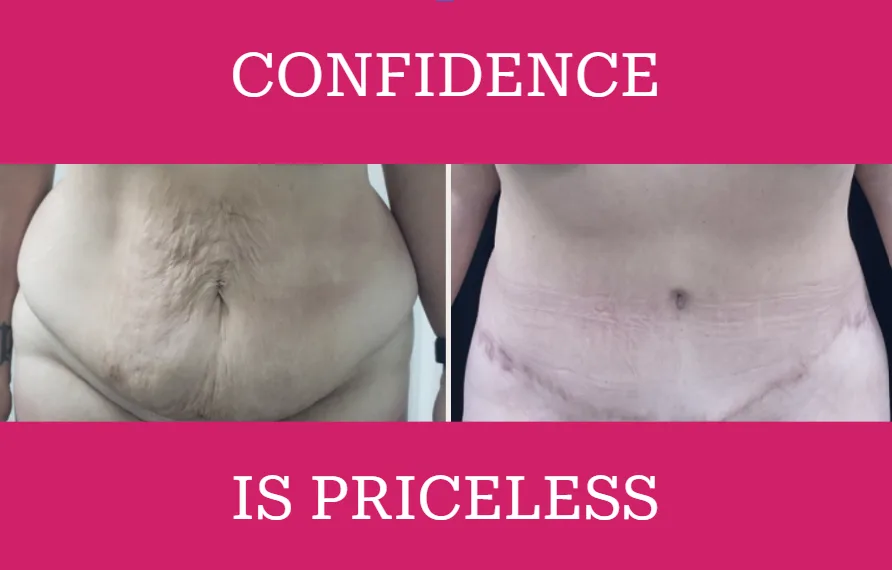
A denial isn’t the end of the road. It’s actually a common step in the process, and many patients who are ultimately approved went through at least one denial first. Understanding your options after a denial can make the difference between giving up and getting the care you need.
Appealing the denial
You have the right to appeal any denial. The process typically involves submitting additional documentation or a more detailed letter of medical necessity that addresses the specific reasons the insurer cited. Some insurers offer a peer-to-peer review where your surgeon speaks directly with the insurance company’s medical reviewer, and these conversations often lead to reversals.
Request the denial letter in writing and review the exact reasons. Sometimes the denial is based on incomplete documentation rather than a policy exclusion, meaning a stronger resubmission could change the outcome.
Financing alternatives
Even when insurance doesn’t cover the procedure, the cost doesn’t have to be a barrier. Cosmetic Surgery Affiliates offers flexible financing through Cherry, PatientFi, and Alphaeon, each designed to make the procedure more accessible.
Cherry lets you get pre-approved without affecting your credit score. PatientFi looks beyond your credit score to create personalized plans. Alphaeon offers multiple payment plans with no upfront costs or prepayment penalties. And because the practice is located in the Midwest, surgical costs here tend to be lower than what similar practices charge in cities like Dallas or Los Angeles.
Government programs
Medicaid and Medicare may cover panniculectomy in certain situations, though eligibility varies significantly by state. Medicare generally covers the procedure when it meets medical necessity criteria and is performed by a participating provider. State Medicaid programs have their own guidelines, and some are more restrictive than private insurance.
Nonprofit organizations like the Plasticos Foundation occasionally offer reconstructive procedures at reduced or no cost to qualifying patients, though availability is limited and wait times can be long.
Francesca M., a patient who had a breast lift and tummy tuck in Oklahoma City, shared their experience:
“I had a breast lift and tummy tuck with Cosmetic Surgery Affiliates in OKC, and I couldn’t be happier with my experience. Dr. Meyer was absolutely amazing — she made me feel comfortable and confident from day one.”
Conclusion

Navigating insurance coverage for a tummy tuck is rarely straightforward, but it’s far from impossible when you understand the rules. The distinction between a cosmetic tummy tuck and a medically necessary panniculectomy is the foundation, and from there, everything comes down to documentation, persistence, and working with the right surgical team.
At Cosmetic Surgery Affiliates in Oklahoma City, our board-certified cosmetic surgeons bring more than 2 decades of experience and over 26,000 major cosmetic surgeries to every patient consultation. Whether your path forward involves insurance, financing, or simply a clearer understanding of your options, our team is equipped to guide you through every step with transparency and care. If safety is part of your research, our overview of what the research says about tummy tuck safety breaks down the major findings from peer-reviewed studies.
Request a consultation today, and take the first step toward a result that is not only transformative but within reach.
Frequently asked questions
Does insurance cover a tummy tuck after pregnancy?
Generally, no. Insurance companies classify post-pregnancy tummy tucks as cosmetic. However, if pregnancy causes a ventral hernia or your excess skin meets panniculectomy criteria with documented medical symptoms, the reconstructive portion may qualify for coverage. Patients exploring post-pregnancy body contouring in Oklahoma City more broadly often combine procedures, which can split coverage between insured and self-pay components.
What is the difference between a panniculectomy and a tummy tuck?
A panniculectomy removes the hanging apron of skin and tissue below the belly button without tightening muscles or removing significant fat. A tummy tuck does all three: removes excess skin, eliminates fat, and repairs separated abdominal muscles. Insurance may cover a panniculectomy when it’s medically necessary, but the cosmetic components of a full tummy tuck are rarely covered.
Can I get a tummy tuck covered after bariatric surgery?
Bariatric surgery patients are among the most likely to qualify for a covered panniculectomy. Most insurers require that you’ve maintained a stable weight for at least 18 months after your bariatric procedure, plus an additional six months of stability, along with documented skin-related medical conditions.
Does Medicare cover panniculectomy for chronic rashes?
Medicare may cover panniculectomy when it meets specific medical necessity criteria, including a pannus that hangs at or below the pubic bone and causes chronic skin conditions that haven’t responded to conservative treatment. Coverage requires prior authorization and supporting documentation from your surgeon. Eligibility depends on your specific Medicare plan and participating provider status.
What if I have diastasis recti? Will insurance pay?
Diastasis recti alone, where the abdominal muscles separate, is typically classified as cosmetic and not covered by insurance. However, if you also have a hanging pannus causing documented medical problems, the panniculectomy portion of the procedure may qualify for coverage. The muscle repair component would still be considered cosmetic.
How much of the cost might insurance cover?
When approved, insurance typically covers the panniculectomy (skin removal) portion of the procedure, along with related costs like anesthesia and facility fees. Any cosmetic additions, like muscle tightening or liposuction, remain the patient’s responsibility. Your out-of-pocket share depends on your specific plan’s deductible, copay, and coinsurance structure.
Is muscle repair covered or just skin removal?
Only the skin removal (panniculectomy) qualifies for insurance coverage when medical necessity is established. Muscle repair, also called rectus plication, is classified as cosmetic by virtually all insurers. If you want both, your surgeon can perform them together, with insurance covering the panniculectomy and you paying for the muscle repair separately.
Are there grants or programs for patients who need a tummy tuck?
Some nonprofit organizations offer grants or reduced-cost reconstructive procedures. The Plasticos Foundation and similar groups occasionally provide panniculectomies for qualifying patients. Cosmetic surgery grant programs also exist, though they typically cover a smaller portion of the total cost.
Does hernia repair make a tummy tuck more likely to be covered?
Yes. When a panniculectomy is performed alongside a medically necessary hernia repair, the combined procedure often has a stronger case for coverage. The hernia repair is independently covered, and removing excess skin that impedes healing is a logical medical addition.
*Disclaimer: This content is for educational purposes only and does not constitute medical advice. A consultation with a qualified board-certified surgeon is required to determine the best treatment plan for your individual needs and any questions you may have about a medical condition or procedure.